REVIEW · BEIJING
In-depth Forbidden City tour with Royal Icehouse Lunch
Book on Viator →Operated by Wikibeijing · Bookable on Viator
Walking Beijing’s royal heart feels unreal. This private Forbidden City tour is interesting because you get a slower, smarter route with more palace areas than the usual highlights, and you also include Royal Icehouse lunch inside the complex. My favorite parts are the one-on-one pacing with guides like Selina and Lily, and the fact that entrance fees are rolled in; the main drawback is the early 7:30am start plus lots of walking, so you’ll want a decent fitness level.
If you’re the kind of traveler who hates arriving, taking photos, and leaving half-understanding, this fits. Guides I’ve seen mentioned by name—Angie, Shanshan, Helen Zhang—are praised for being punctual, patient, and good at making the buildings and rituals feel connected, not random.
In This Review
- Key things that make this tour work
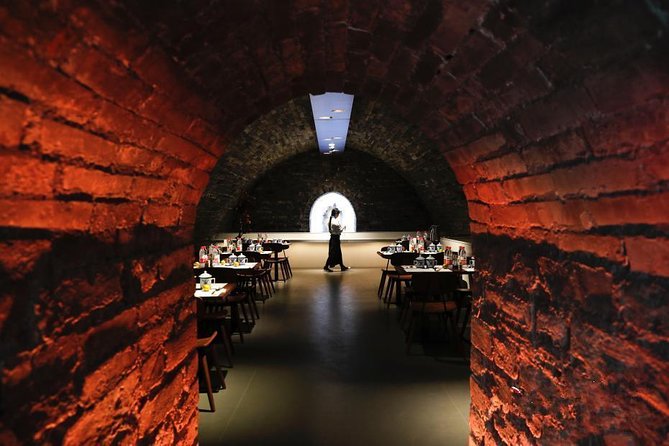
- Royal Icehouse Lunch: why this “meal stop” changes the day
- The 7:30am start and a realistic 6-hour pace
- From the South Gate to the ceremonial heart
- The banquets and exams stop: where ideas became authority
- Daily affairs and living quarters: the palace as home
- The Inner Court: the emperor’s residence vibe
- Treasure Hall and the Antiquarium-style rooms
- The Nine Dragon Screen: small detail, big symbolism
- The garden zone: buildings, pavilions, and four seasons thinking
- How the Imperial Library fits into the bigger story
- Price and value: is $150 per person worth it?
- The logistics that matter once you’re there
- Who should book this private Forbidden City + Icehouse lunch
- Should you book? My practical take
- FAQ
- What time does the tour start?
- How long is the Forbidden City tour?
- Is hotel pickup and drop-off included?
- What’s included in the price?
- Do I need a passport for booking?
- What is the cancellation policy?
Key things that make this tour work
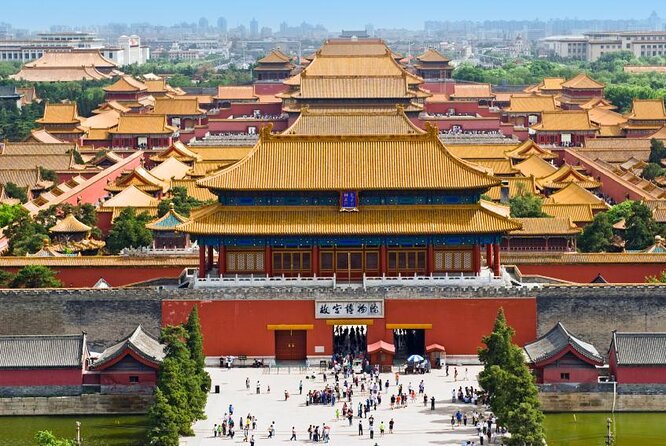
- Royal Icehouse lunch inside the Palace Museum: a built-in break that helps you recharge instead of grabbing something rushed outside.
- A private guide with real control over your pace: helpful if you want time for details or need slower moments.
- More than the main halls: you’ll get access to areas like the Imperial Library and the Treasure Rooms.
- Extra visual storytelling: you also see signature sights such as the Nine Dragon Screen.
- Free hotel pickup and drop-off: less Beijing logistics stress before you even reach the gates.
- A morning start that helps with comfort: earlier entry can make the grounds feel less crowded and more manageable.
Royal Icehouse Lunch: why this “meal stop” changes the day
The Forbidden City is huge, which sounds like a fun challenge—until you’re halfway through and you’re either hungry, overheated, or both. What I like about adding lunch at the former Icehouse is that it’s not just food on a schedule. It gives you a reliable, timed reset point while you’re still on the property.
And because it’s connected to the palace experience, lunch feels like part of the visit rather than an interruption. One review specifically flagged lunch as a welcome escape from the heat, which is exactly what you want in Beijing during warm months. If you plan to cover a lot of ground in one go, a built-in pause makes the difference between feeling “I saw it all” and feeling “I survived it.”
You can also read our reviews of more city tours in Beijing
The 7:30am start and a realistic 6-hour pace
This tour starts at 7:30am and runs about 6 hours. That’s a good length: long enough to feel in-depth, but not so long that your legs turn into sand by lunch.
Still, this is not a sit-on-a-bus sightseeing deal. You’re walking across palace courtyards and moving between major buildings, gates, and themed areas. The experience provider lists a moderate physical fitness level, so if you have mobility limits, this is where you should be honest with yourself. The upside is that it’s private, so your guide can adjust rhythm—some reviews mention guides being accommodating with elderly guests and keeping a patient tempo.
Practical tip: wear shoes you already trust. The Forbidden City floors can be hard on feet when you’re doing long, continuous walking.
From the South Gate to the ceremonial heart
You’ll begin with pickup (free hotel pickup and drop-off are included) and then meet your guide at a selected time. Once you’re in, the tour is built around how the Forbidden City is laid out—where power was announced, staged, and practiced.
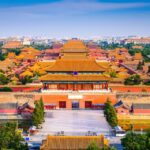
A key early stop is the South Gate, the main entrance. Your guide will connect the building to the old imperial worldview, including the idea that the emperor believed the Meridian Line ran right through it. Even if you don’t care about maps and celestial measurements, this kind of framing matters because it turns the architecture into a system, not just a collection of impressive structures.
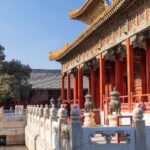
Next you move into the big ceremonial area: the largest wooden structure in the world, where the emperor worked and held major ceremonies. Standing under and around these structures is one thing; understanding why these spaces existed is another. With a private guide, you’re more likely to get the “why” in plain language, and not just a quick read of a plaque.
The banquets and exams stop: where ideas became authority
One of the more interesting parts of this route is how it treats education and governance as part of the same imperial machine. You’ll pass through the hall used for banquets and later for imperial examinations, where candidates’ understanding of classical and Confucian literature was tested, under the emperor’s supervision.
If you’ve ever wondered why the Forbidden City feels so formal and rule-bound, this is a big clue. The palace wasn’t only a backdrop for spectacle. It functioned like a headquarters for culture, learning, and authority—at least in the imperial sense.
Practical tip: if you want to remember this day (not just survive it), ask your guide to explain how the exam process worked conceptually. Even if your interest is light, the guide can help connect the building to what people were trying to prove.
Daily affairs and living quarters: the palace as home
After the ceremonial zones, you’ll shift into the parts that feel more like daily life. The tour includes the place where the emperor handled daily affairs, plus the living quarters associated with the emperor, empress, and imperial concubines.
This is where the Forbidden City stops being just “big buildings” and starts feeling human. The scale still dwarfs you, but the purpose changes: from public ceremony to administration and domestic presence. And because it’s a private tour, you can linger a little longer at the spots that spark your curiosity—without needing to match a group’s pace.
One practical note: these areas can be mentally busy. If you find yourself overwhelmed, lean on your guide to summarize what you’re looking at. Guides named in reviews—like Helen Zhang—were praised for making the significance of the estate easier to grasp, including for kids, which is a good sign that explanations aren’t only for adults with deep history interest.
You can also read our reviews of more tours and experiences in Beijing

The Inner Court: the emperor’s residence vibe
You also visit the largest building in the Inner Court, described as the residence of the emperor. Inner Court areas tend to be less about spectacle and more about hierarchy and residence. It’s still grand, but the feeling is different: smaller “worlds” inside the palace complex, each serving a specific role.
This is another reason I like a private format here. The Forbidden City is designed to be read. A guide helps you see patterns: how spaces relate to each other, what gets emphasized, and what changes as you move from outer ceremonial areas inward.
Treasure Hall and the Antiquarium-style rooms
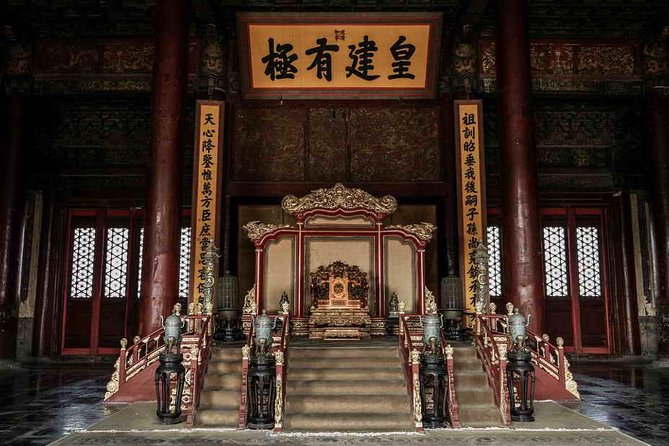
If your ideal tour includes a little drama and a lot of artifacts, pay attention to the Treasure Hall, also known as a section tied to the abdicated Emperor Qianlong. The tour info describes it as made up of several buildings, currently used as exhibition rooms with themed halls—and it includes the largest imperial theatre in that area.
What I like here is that it gives the Forbidden City a “collector’s” angle. Even if you think of the Palace Museum as architecture first, exhibition rooms remind you that this place held objects, performances, and the cultural machinery of an empire.
And because you’ll be on a timeline (about six hours total), you want to hit these areas without rushing. Private guides can usually keep you moving while still giving enough time to actually see.
The Nine Dragon Screen: small detail, big symbolism
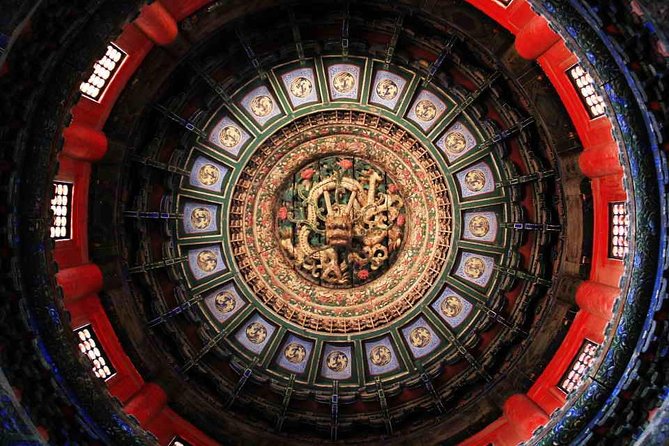
Near the entrance to the Treasure Hall, you’ll see the Nine Dragon Screen, one of China’s three such screens. It features nine dragons carved with different colors.
This is the kind of stop that can easily get skipped on a fast tour. But in a palace designed around symbolism, this screen acts like a visual headline. Even a short moment here helps you read the rest of what you’re seeing—ornamentation isn’t random; it’s coded.
Practical tip: take a moment to look from different angles. Screens like this change how you notice dragon lines and color patterns as you shift position.
The garden zone: buildings, pavilions, and four seasons thinking
You’ll also spend time in a garden-like area described as rectangular, containing more than 20 types of buildings, pavilions, terraces, towers, and rockeries. It includes four pavilions representing the four seasons.
This section matters because it shows how the palace design wasn’t only about power displays. It also included controlled nature and seasonal symbolism—an imperial way of staging time.
If you’re traveling with kids or anyone who gets bored by long hall-to-hall walking, gardens can be a mental reset. Even when you’re still within the palace complex, the shift in layout can make the day feel more balanced.
How the Imperial Library fits into the bigger story
One of the most valuable inclusions is access to the Imperial Library. From a practical standpoint, this helps the Forbidden City feel like a working institution rather than a museum shell.
It’s also a strong choice if you want something beyond the typical “main halls and done” route. A library space connects to the exam culture you’ll see earlier and helps you understand why knowledge and ritual were so tightly linked.
And if you’re traveling with mixed interests—say, someone who cares most about architecture and someone who cares most about ideas—library access is a bridge. It gives each person something to latch onto.
Price and value: is $150 per person worth it?
At $150 per person for about 6 hours, this tour isn’t the cheapest way to see the Palace Museum. But it also isn’t trying to compete with the budget option where you only get a ticket and a printed map.
Here’s what you’re paying for, and why it likely makes sense:
- Entrance fees are included, so you’re not doing math while you’re already standing in line.
- Lunch at the former Icehouse is included, meaning the midday plan is handled.
- Free hotel pickup and drop-off removes a chunk of Beijing transit hassle.
- You get a private guide, which matters most in a place this big. The Forbidden City is hard to learn fast, even when you’re motivated.
Another small factor: on average, this is booked about 49 days in advance. That’s a sign of demand, and it often means fewer last-minute options. If the date is important, booking earlier is smart.
Bottom line: if you want a guided experience with lunch, included fees, and less guesswork, the value feels solid.
The logistics that matter once you’re there
This tour runs like a “full-service” day. You get a mobile ticket, and you’ll need your passport name and number at booking for participants. That matters because it keeps your entry smoother on a site that can involve checks and timed access.
Also note: it’s a private tour/activity, so it’s designed around only your group. That tends to improve comfort and pacing, especially if your group includes older adults or kids.
Who should book this private Forbidden City + Icehouse lunch
I’d point you to this tour if:
- You want the Forbidden City to feel explained, not just photographed.
- You like structured time—because the day flows from gate to ceremonies to daily life to exhibition spaces.
- Your group has different ages or different interests. Private pacing helps.
I’d think twice if:
- You expect minimal walking or lots of bench time. The tour is about seeing a lot in about six hours.
- You want a fully flexible, unplanned schedule. Private tours still have an itinerary, just with more room for your guide to adjust the speed.
Should you book? My practical take
Book it if you want an efficient, guided, indoor-and-outdoor mix that includes lunch inside the experience itself. The Royal Icehouse lunch plus access to places like the Imperial Library and the Treasure Rooms makes it feel more complete than a basic highlights tour.
Don’t book it if you’re traveling with someone who struggles with distance on foot or you’re hoping to spend most of the day sitting around. Even with a great guide, the Forbidden City demands movement.
If you do book, go in with one mindset: ask for the “why” behind what you’re seeing. This tour’s best moments happen when the buildings stop being scenery and start acting like a story.
FAQ
What time does the tour start?
The start time is listed as 7:30am.
How long is the Forbidden City tour?
The duration is about 6 hours.
Is hotel pickup and drop-off included?
Yes. The tour includes free hotel pickup and drop-off.
What’s included in the price?
The tour includes all entrance fees and lunch at the former Icehouse (Royal Icehouse lunch).
Do I need a passport for booking?
Yes. Passport name and number are required at the time of booking for all participants.
What is the cancellation policy?
You can cancel for a full refund up to 24 hours before the experience’s start time. If you cancel less than 24 hours before, the amount paid isn’t refunded.