REVIEW · BEIJING
Beijing Royal Banquet with Chinese culture prefermance
Book on GetYourGuide →Operated by cowbunny · Bookable on GetYourGuide
A royal table in Beijing.
This Beijing Royal Banquet is a 2.5-hour dinner or lunch experience that mixes a museum setting with Chinese cultural performances and a long, serious parade of traditional dishes. I especially like the royal-culture angle through the performances, and I like that you’re eating properly traditional foods instead of buffet-style filler. One thing to consider: the meal is built around a fixed course lineup, so you’ll want to show up hungry and ready to try things you might not order at home.
The venue, Yuxiandu, is set up like an attraction as much as a meal. You’ll also skip the main line with a separate entrance, and the host/greeter is available in Chinese and English. A final practical note: you need to arrive early for your meal time window, so plan your transport around that rather than hoping to stroll in at the last second.
In This Review
- Key things that make this banquet special
- Yuxiandu Royal Banquet: what the setting is really like
- Timing and meal windows: how to plan your day
- Walking into the royal-cuisine exhibition area
- Snacks and appetizers: how the banquet starts
- The main course lineup: roast duck, lamb, and classic banquet ingredients
- Braised Sea Cucumber with Fish Maw in Casserole
- Marinated Tofu and Bamboo Shoots
- Roast Duck with Jujube Wood
- Chinese Cabbage in Soup
- Roasted Lamb
- Noodles and classic snacks: the sweet spot for texture lovers
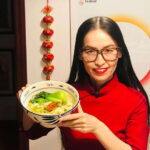
- Longevity noodles with poached eggs
- Youtiao with milk
- Yoghurt filled with honey
- The cultural performances: why they’re more than decoration
- Price and value: what $150 buys you in Beijing
- Who should book this banquet (and who might pass)
- Should you book the Beijing Royal Banquet?
- FAQ
- FAQ
- How long is the Beijing Royal Banquet experience?
- How much does it cost?
- Where do I meet for the tour?
- What time should I arrive for lunch or dinner?
- What food is included in the royal banquet?
- Is there a way to skip the line?
- What languages do the host or greeter speak?
- Is the venue wheelchair accessible?
- Can I cancel and get a refund?
Key things that make this banquet special
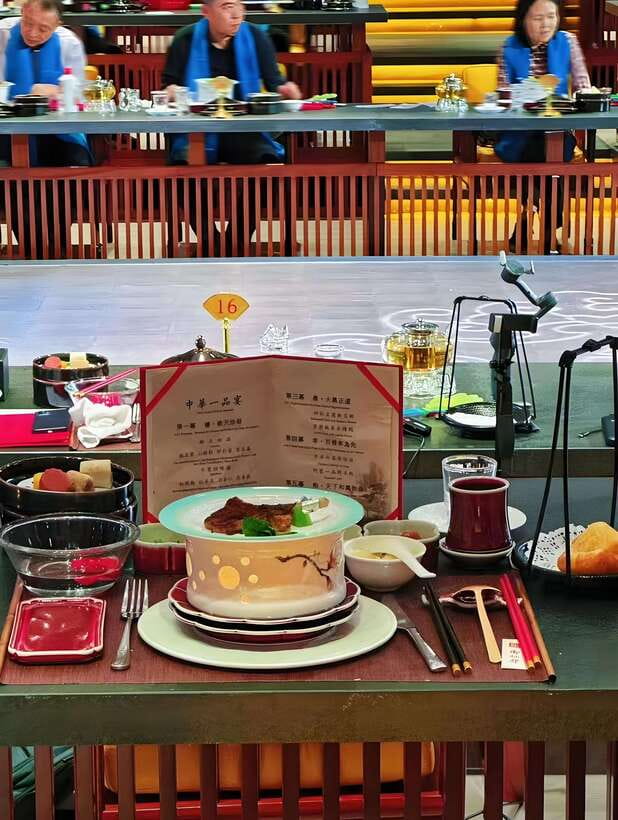
- Yuxiandu’s royal cuisine setup: a royal cuisine exhibition area plus a large tasting experience space.
- A full-on multi-course lineup with roast duck, lamb, noodles, and classic snacks.
- Chinese cultural performances that give the food an actual show around it.
- Skip-the-line entry through a separate entrance.
- Modern kitchen design: a transparent, green, energy-saving central kitchen is part of the experience.
Yuxiandu Royal Banquet: what the setting is really like
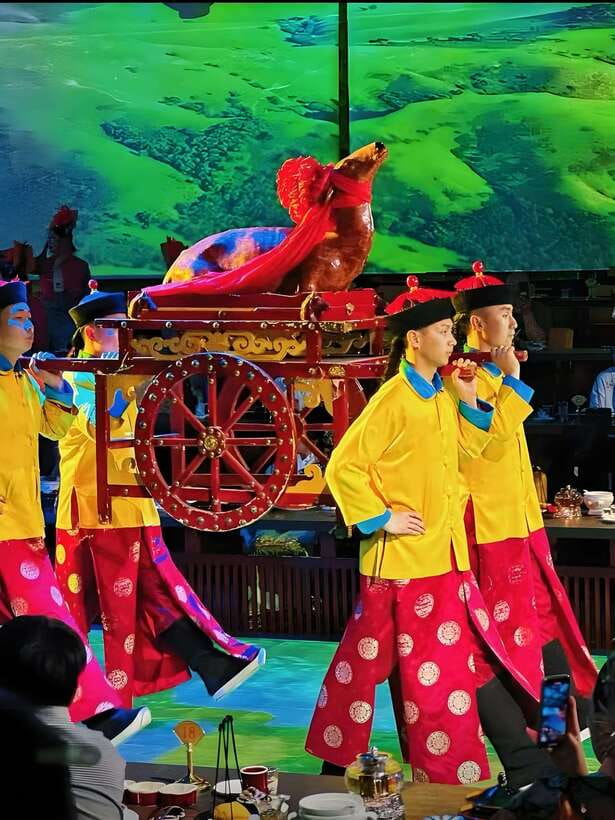
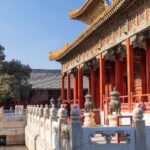
This experience takes place at Yuxiandu, and the scale alone tells you what it is aiming for. There’s a royal cuisine historical and cultural exhibition area of about 1,500 square meters, plus a royal cuisine tasting experience area of more than 10,000 square meters. In plain terms: it’s not a tiny dining room. It’s an experience space built for pacing, atmosphere, and photos, while still keeping the focus on the meal.
I like that the venue blends traditional and modern elements. The info you’re given also highlights a transparent, green, environmentally friendly, and energy-saving central kitchen. That matters because it signals organization behind the scenes, especially for a multi-course banquet where timing matters.
Another plus: it’s known for drawing big names, including celebrities and politicians. Even if you don’t care about celebrity history, it usually translates to smoother operations and a more polished show-and-dine setup.
You can also read our reviews of more tours and experiences in Beijing.
Timing and meal windows: how to plan your day
You’re looking at 2.5 hours total, and starting times depend on availability. What really controls your plan is the arrival deadline. For lunch, arrive before 11:15. For dinner, arrive before 18:15.
Here’s how I’d plan it if I were fitting this into a Beijing day:
Give yourself a buffer for traffic, subway transfers, and finding the meeting point. The address is No. 117, West Fourth Ring North Road, Haidian District, Beijing. It’s better to arrive early, settle in, and enjoy the pre-meal flow than to stress while the clock runs.
Also, the tour includes a separate entrance to help you skip the line. That helps, but it doesn’t remove the early-arrival requirement. You’re not just “getting in,” you’re stepping into a timed program.
Walking into the royal-cuisine exhibition area
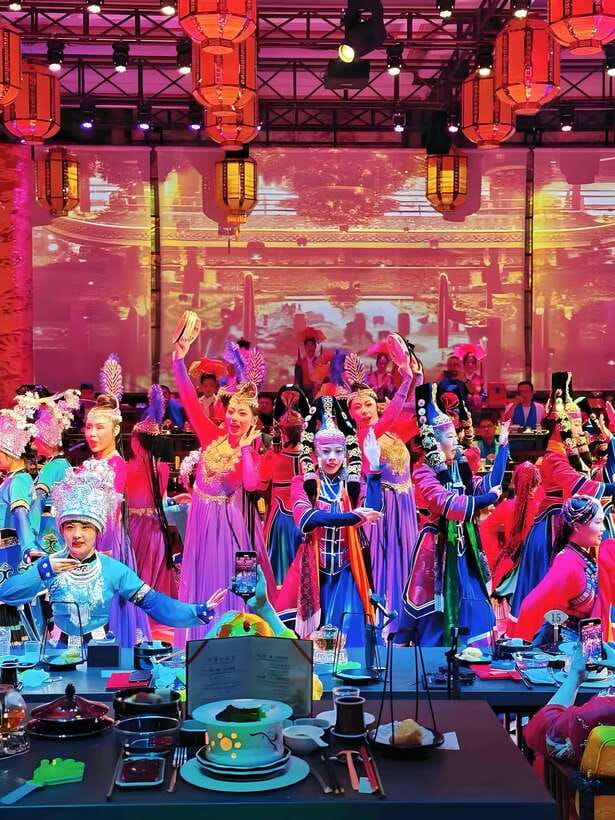
Before you eat, you’re part of the overall Yuxiandu experience. The venue includes that royal cuisine historical and cultural exhibition area (about 1,500 square meters). Even if you don’t spend ages reading every display, you’ll still get the feeling that this is themed around royal culinary tradition rather than random Chinese dishes.
This is where the setting helps you as a visitor. You’re not showing up cold. You’re stepping into a space that frames the food as something meant for an occasion. That framing matters because it changes how you interpret what’s coming next: you’re not just ordering, you’re participating in a banquet structure.
You’ll also notice the modern touch: the venue highlights a transparent, green, energy-saving central kitchen. That gives the place a more “managed attraction” feel than a purely old-school museum, which can be a good match if you want authenticity without chaos.
Snacks and appetizers: how the banquet starts
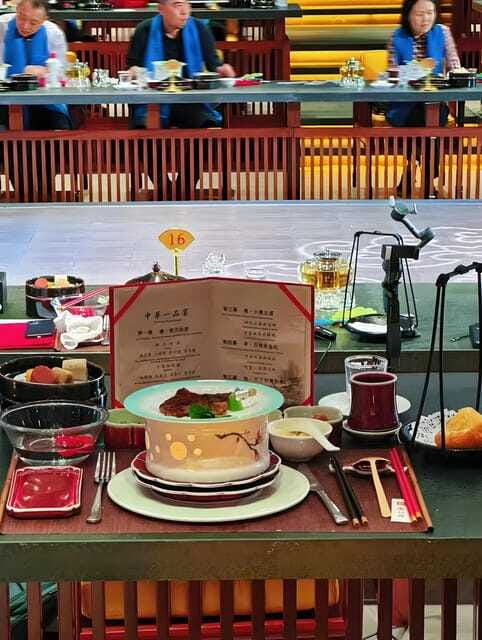
The banquet begins with a built-in progression, and you get the sense it’s designed to move from light to rich. Your early bites include:
- Snacks
- Appetizer platter
I like this start because it gives your palate a runway. You’re not hit immediately with the heaviest, most luxurious ingredients. Even if you’re cautious with unfamiliar foods, appetizers and snack courses let you gauge the style of seasoning and texture first.
If you’re sensitive to strong flavors, this is the moment to pay attention. How spicy is it? How salty? Is it more sweet-savory? You learn fast from the first courses, and you can pace yourself for what comes later.
The main course lineup: roast duck, lamb, and classic banquet ingredients
Now for the big part: the fixed course menu is where the “royal banquet” label earns its keep. The lineup you’ll be served includes:
- Braised Sea Cucumber with Fish Maw in Casserole
- Marinated Tofu and Bamboo Shoots
- Roast Duck with Jujube Wood
- Chinese Cabbage in Soup
- Roasted Lamb
This is a very traditional banquet structure: one course that signals prestige (sea cucumber and fish maw), one that balances texture (tofu and bamboo shoots), and then the centerpiece meats and warm sides (duck, cabbage soup, lamb).
A practical takeaway: you’ll want to manage pace. Don’t assume you’ll finish everything in one go just because it lands on the table. With a multi-course banquet, it’s easy to overeat early and then feel heavy during the later noodles and desserts.
Braised Sea Cucumber with Fish Maw in Casserole
This is one of the most “banquet” tasting courses on the menu. If you’re curious about high-end Chinese banquet ingredients, this is your chance in a structured way rather than paying for a la carte experimentation.
Marinated Tofu and Bamboo Shoots
I like this course because tofu tends to act like a flavor sponge, and bamboo shoots add a different texture. It’s the kind of course that can help keep the meal from becoming one-note richness.
Roast Duck with Jujube Wood
Roast duck is a crowd-pleaser for a reason, and adding jujube wood suggests a specific aroma-forward approach. Even if you’ve had duck before, it’s still worth paying attention here because the banquet format usually means a more deliberate flavor profile than quick restaurant versions.
Chinese Cabbage in Soup
This kind of course is a reset. Soup courses are common in Chinese banquet pacing, and cabbage helps keep the meal feeling lighter between heavier mains.
Roasted Lamb
The lamb course rounds out the meat side of the menu. If you like hearty flavors, you’ll probably find this satisfying. If you’re not a lamb person, treat it as a taste-and-pace moment rather than a “must finish” situation.
Noodles and classic snacks: the sweet spot for texture lovers
After the savory stretch, the banquet keeps going with symbolic-feeling comfort foods and snack classics. You’ll also have:
- Longevity noodles with poached eggs
- Deep-fried dough sticks (Youtiao) with milk
- Yoghurt filled with honey
This is one of the reasons I think this banquet is a strong value: the menu isn’t only about fancy ingredients. It includes very recognizable Chinese comfort items like youtiao with milk, plus the noodle course that keeps you full without feeling like pure meat and sauce all night.
Longevity noodles with poached eggs
You get a warm, filling course that usually works for all kinds of eaters: noodle people, egg people, and anyone who wants a calmer finale than another heavy meat dish.
Youtiao with milk
This is pure snack logic. If you’ve never had youtiao with milk as part of a meal, try a small portion first. It’s filling, crunchy, and best when you’re ready to slow down and enjoy the simple textures.
Yoghurt filled with honey
This is your sweet finish, and it’s a nice pivot away from fried foods. The combination also helps if you want sweetness that’s not only sugar-forward.
The cultural performances: why they’re more than decoration
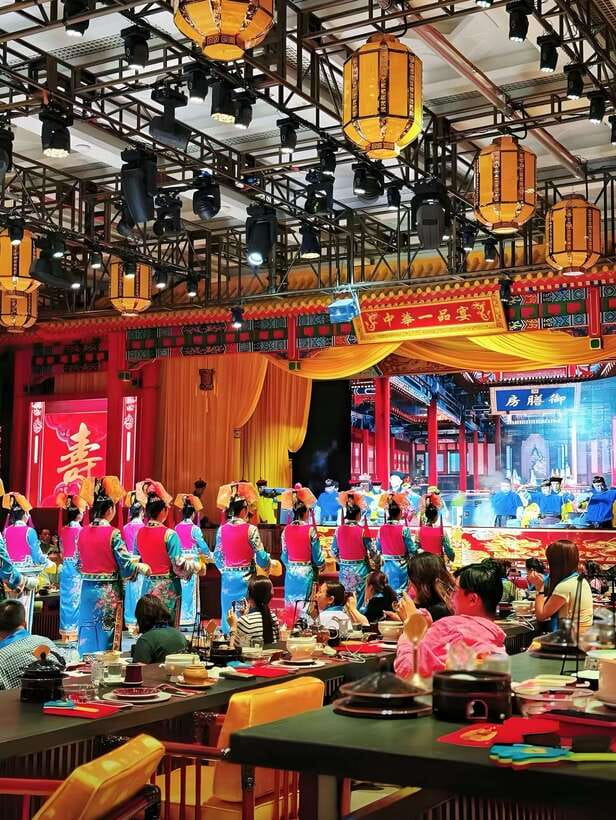
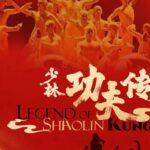
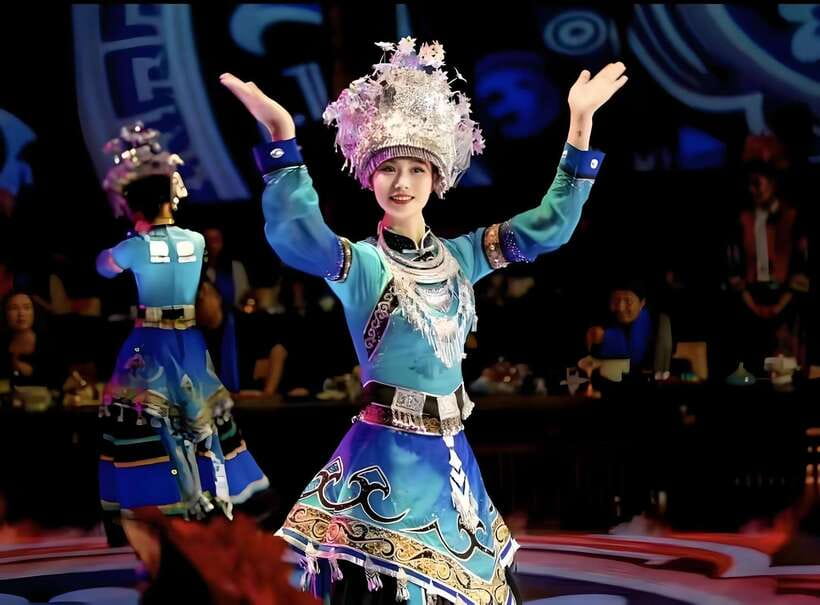
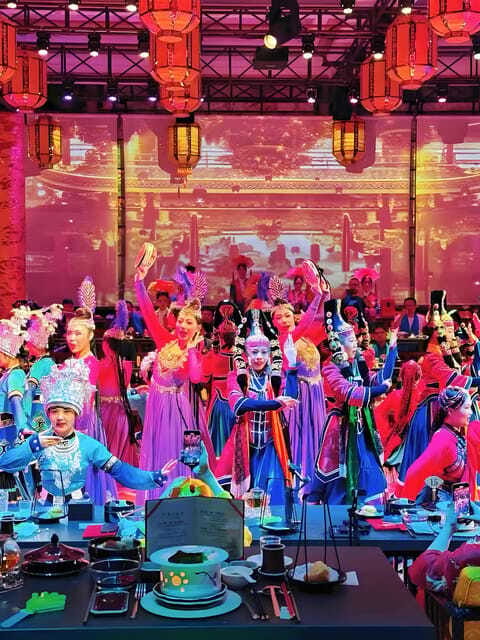
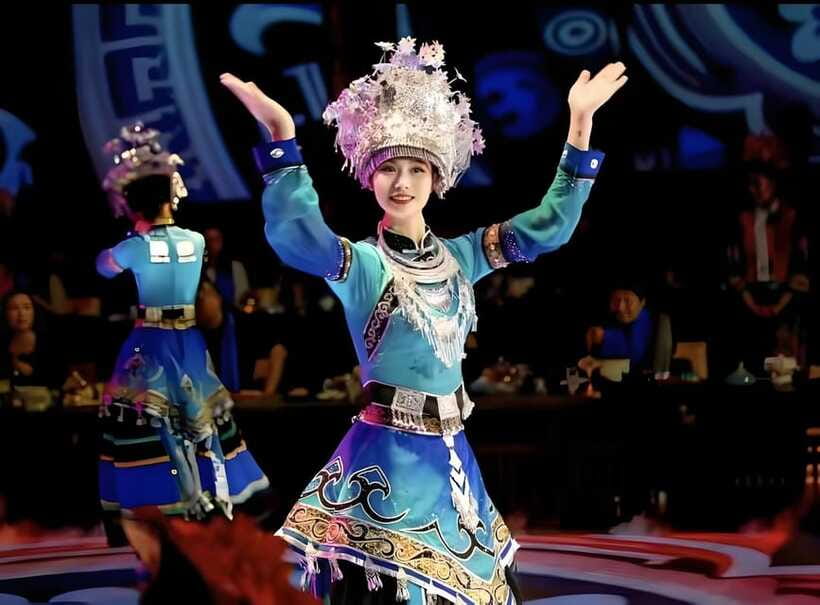
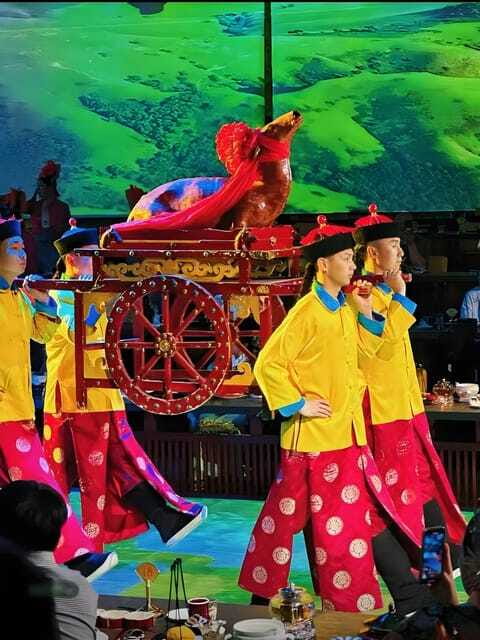
One of the highlights is that you’ll see Chinese cultural performances alongside the banquet. This is important because it changes the vibe. It’s not just eating in a themed room. The performance turns the meal into something closer to a show-with-cuisine, which fits the “royal experience” concept.
It also helps you understand why this place has such a polished setup and why it draws high-profile visitors. If you come for food only, you may miss how much the performances shape the atmosphere. If you come for both food and culture, this part can be the glue that makes the whole thing feel connected.
Price and value: what $150 buys you in Beijing
At $150 per person for 2.5 hours, the price isn’t cheap, so you’re paying for three things at once: a set menu, a show, and a themed venue that includes exhibition space plus a tasting area.
Where I think the value holds up:
- You get a long multi-course meal rather than a single entree deal.
- You also get the performance component, so it’s closer to an experience ticket than a restaurant tab.
- The venue is designed as a large space with exhibition and a central kitchen concept, which often means better coordination and less guesswork than smaller pop-up dinners.
Where it might not fit:
- If you’re the kind of eater who wants to order exactly what you want, fixed menus can feel limiting.
- If you’re not interested in performances or museum-style context, you’ll be paying for atmosphere as much as food.
Who should book this banquet (and who might pass)
This is a good match if:
- You want a traditional Chinese banquet meal with variety.
- You like culture that you can watch while you eat, not just read about.
- You’d enjoy a venue experience with both exhibition space and a show.
I’d be more cautious if:
- You have strong dietary restrictions or are very selective with unfamiliar ingredients. The menu includes items like sea cucumber and fish maw.
- You’re short on time and hate timed arrivals. You do need to arrive before the stated cutoff for lunch or dinner.
If you’re doing Beijing for the first time and want a single night that feels “big,” this works. If you’re already doing multiple food stops, you may want to treat this like your main cultural meal and keep other meals simpler.
Should you book the Beijing Royal Banquet?
If you want one event in Beijing that blends Chinese cultural performances with a proper banquet-style menu in a large, organized venue, I’d say this is worth considering. The fixed 2.5-hour format, the skip-the-line entry, and the museum-like setup around Yuxiandu make it feel like more than dinner.
Just be honest with yourself about two things: your willingness to handle a full multi-course meal, and your need to be there early for your meal window. If you’re good with that, you’ll likely enjoy how the food and show fit together in one evening program.
FAQ
FAQ
How long is the Beijing Royal Banquet experience?
The experience lasts 2.5 hours.
How much does it cost?
The price is $150 per person.
Where do I meet for the tour?
The meeting point is No. 117, West Fourth Ring North Road, Haidian District, Beijing, China.
What time should I arrive for lunch or dinner?
Please arrive before 11:15 for lunch, and before 18:15 for dinner.
What food is included in the royal banquet?
The banquet includes items such as snacks, an appetizer platter, braised sea cucumber with fish maw, marinated tofu and bamboo shoots, roast duck with jujube wood, Chinese cabbage in soup, roasted lamb, longevity noodles with poached eggs, youtiao with milk, and yoghurt filled with honey.
Is there a way to skip the line?
Yes. You’ll skip the line through a separate entrance.
What languages do the host or greeter speak?
The host or greeter speaks Chinese and English.
Is the venue wheelchair accessible?
Yes, it is wheelchair accessible.
Can I cancel and get a refund?
You can cancel up to 24 hours in advance for a full refund. You can also use a reserve-and-pay-later option for flexibility.