REVIEW · BEIJING
Beijing: Temple of Heaven Park Ticket with guide(optional)
Book on GetYourGuide →Operated by Chinatravelhelper · Bookable on GetYourGuide
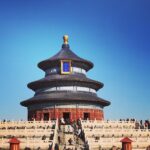
One park, two big ideas about the universe. The Temple of Heaven is the kind of place where architecture teaches you the old way China thought about heaven and Earth, without turning your day into homework. You’ll focus on the most important ceremony stops, with a small-group pace that helps you actually understand what you’re looking at, not just snap photos.
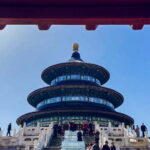
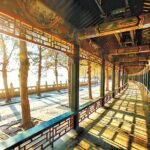
I especially like the Hall of Prayer for Good Harvests—it’s iconic, and once you know the symbolism, it hits harder. I also like the calm park atmosphere and the long walking route through the ancient cypress trees, which makes a guide (optional) feel more like a story than a lecture.
One drawback to plan around: depending on when and how your booking is marked, your ticket may cover only basic park entry, and you might need an extra payment to reach some attractions inside the park.
In This Review
- Quick, real-world highlights
- Temple of Heaven Park: why this walk still feels important
- Price and what $39 usually buys you (and what it might not)
- Tickets and QR confusion: how to avoid the most common hassle
- Getting there by metro: TianQiao and Temple of Heaven East Gate
- A guided walk through the ceremony route (optional, but often worth it)
- The Hall of Prayer for Good Harvests: the iconic photo that earns its fame
- Circular Mound Altar and winter solstice worship
- Palace of Abstinence / Palace of Heavenly Purity: where preparation belonged
- Divine Music Office: the ceremony wasn’t just visuals
- When to go: seasonal hours that affect your “best use of time”
- Group pacing, guide English, and how to use the 3–8 hours
- What to bring (and what to skip) at Temple of Heaven
- Value check: is this worth it versus DIY?
- Should you book this Temple of Heaven Park ticket with an optional guide?
- FAQ
- How long is the Temple of Heaven Park experience?
- What’s included in the ticket price?
- Are meals included?
- Where do we meet, and is the meeting point fixed?
- What do I need to bring?
- What are the main things to see during the visit?
- Is the tour wheelchair accessible?
Quick, real-world highlights
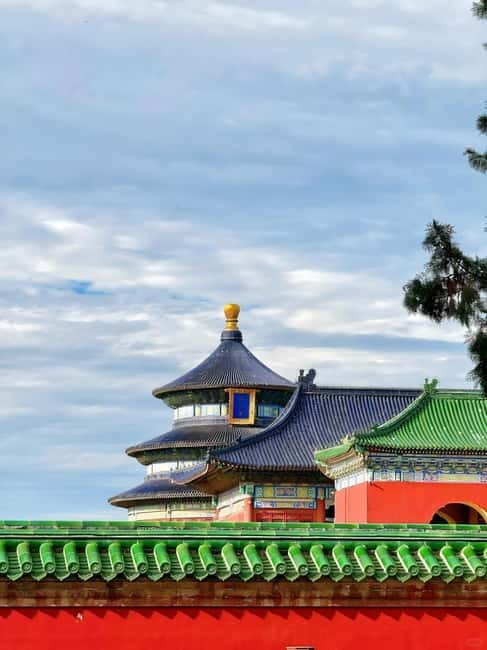
- Hall of Prayer for Good Harvests: the classic Beijing landmark, tied to imperial prayer ceremonies for harvests
- Round heaven, square earth: you’ll see how the park layout reflects old belief
- Circular Mound Altar: the key winter solstice worship point
- Palace area stops: including the Palace of Abstinence / Palace of Heavenly Purity in the ceremony narrative
- Divine Music Office: a look at where ritual music and rehearsals belonged in the system
- Small group up to 10: easier to ask questions and keep your bearings on-site
Temple of Heaven Park: why this walk still feels important
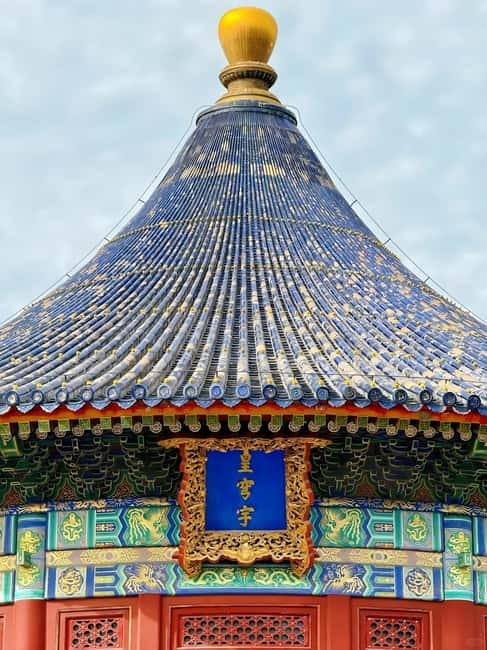
The Temple of Heaven Park, sometimes called the Altar of Heaven and Earth, is in Beijing’s Dongcheng District. The complex dates to 1420 (Ming dynasty, Emperor Yongle) and was renamed Temple of Heaven in 1530 (Emperor Jiajing). It covers 273 hectares, which is huge, but the route is designed so the ceremony story stays coherent as you walk.
The best part is the “theory” built into the site. The northern part is circular and the southern part is square, matching the ancient Chinese belief in round heaven and square earth. If you’ve ever wondered why people in other eras made space for rituals to be part of daily meaning, this is a perfect example—no museum ticket needed.
You’ll also get a clear view of how emperors of the Ming and Qing dynasties used this place for worship and prayers. That context matters because, at first glance, it can look like a beautiful park. Once you connect the shapes, altars, and palace buildings to the ceremony purpose, it turns into something more satisfying than a photo stop.
You can also read our reviews of more tours and experiences in Beijing
Price and what $39 usually buys you (and what it might not)
The headline price is $39 per person. At this level, you’re paying mainly for park entry coverage plus an information service fee, and you can add a live English guide optionally.
The tricky bit: the ticket type can affect whether you get entry to the attractions inside the park. If your booking was bought before 16:30, it may be marked as a combined ticket (except Monday) that includes the attractions entry. Other times are described as basic tickets.
Why you should care: “basic” can still mean you can wander the grounds, but you could hit a gate where you’re asked for an extra fee to enter specific temple/attraction areas. If your goal is to see everything tied to the ceremony route, confirm your ticket coverage before you start walking.
Also note the practical side of the tour setup:
- Food is not included, so plan a snack or a meal on your schedule.
- The tour duration is flexible, listed as 3 to 8 hours depending on the starting time and season.
- The tour is wheelchair accessible.
Tickets and QR confusion: how to avoid the most common hassle
You’ll receive a QR code through the booking channel, but it’s not always the actual ticket. The guidance here is clear: check your email or WhatsApp for the correct ticket material.
This matters because at least one past booking problem was simple and stressful—someone arrived expecting the ticket and then had to buy in the ticket office inside the park. You can avoid that by doing two things:
1) Save the correct ticket message you receive after booking (not just the QR code).
2) Bring your passport, since name and passport number are essential.
If something goes wrong, the service includes help with buying tickets on-site, with the service-fee covered. Still, it’s better to prevent the delay and keep your morning calm.
Getting there by metro: TianQiao and Temple of Heaven East Gate
Beijing traffic is real, so metro is the smart move. You’ll have two metro options listed in the route guidance:
- For Temple of Heaven East Gate, take Line 5 and get off at the Temple of Heaven East Gate station.
- For a second approach, take Line 8 and get off at TianQiao station.
From there, it’s all about orientation. Your meeting point is not one fixed address on the spot—you’ll get the specific meeting point after you book. So once you arrive at the station, pull up the meeting point details before you start walking.
Also, don’t underestimate the “gate” element. This park is big, and the entrance you choose affects how long it takes to reach the core ceremony buildings. If you want maximum time on the altars and halls, arrive with the right entry plan.
A guided walk through the ceremony route (optional, but often worth it)
The core experience is a guided tour window of around 3 hours, focused on the most meaningful stops. With a live English guide, you’ll connect what you’re seeing to what it was for: prayers, seasonal rites, ceremonial music, and the emperor’s preparation.
A small group size—limited to 10 participants—changes the feel. In a large crowd, you mostly follow. In a small group, you can ask quick questions about what a structure represents or why the route is laid out a certain way.
What this looks like on the ground:
- You start from the park area at 天坛公园 (Temple of Heaven Park).
- You move through the ceremony zone, where the buildings and altars form a logical sequence rather than a random sightseeing list.
- You finish with enough time to explore at your own pace if your selected time slot allows it.
Even if you choose the “guide optional” path, the park can still be enjoyable. But if you care about meaning—why a certain altar exists, what it meant on specific days, and how the layout symbolizes the cosmos—having someone explain as you walk can make the difference between seeing and understanding.
You can also read our reviews of more guided tours in Beijing

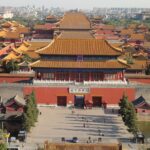
The Hall of Prayer for Good Harvests: the iconic photo that earns its fame
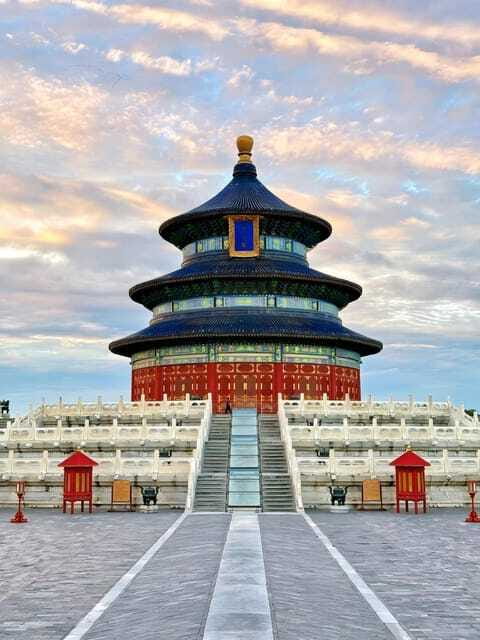
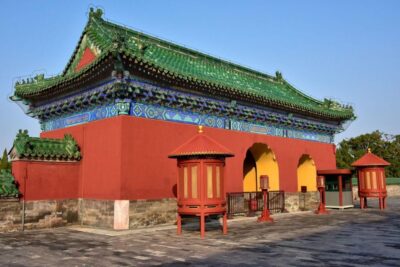
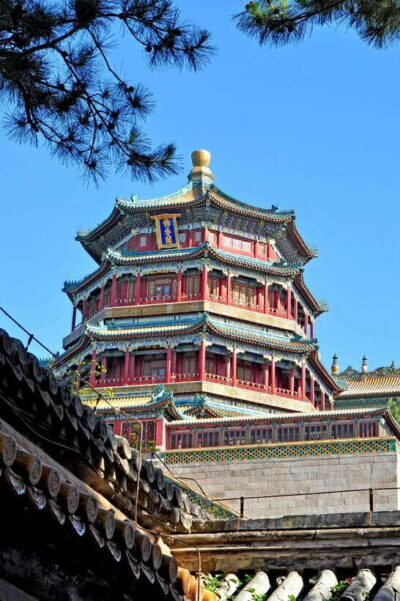
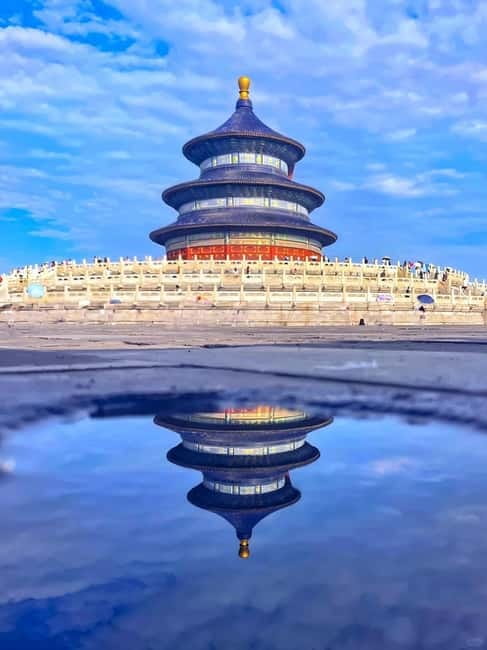
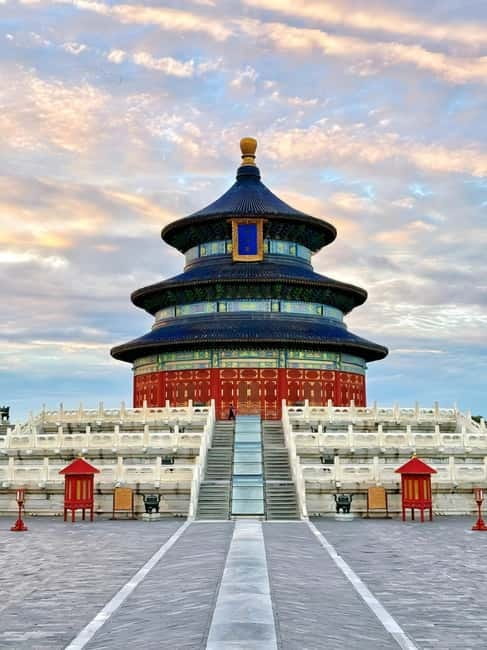
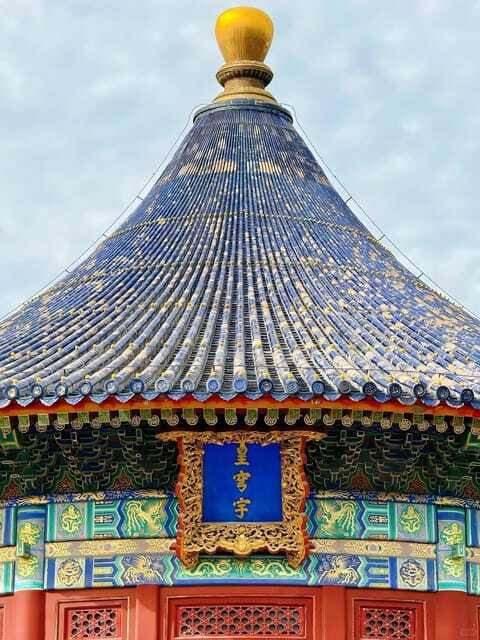
This is the headline stop for a reason. The Hall of Prayer for Good Harvests is the symbol most people recognize, and the building’s design is tied directly to the idea of petitioning heaven for good harvests.
When you see it in context, you start noticing the “ritual logic” around it. The surrounding altars and ceremonial spaces aren’t decorative extras—they’re part of a planned worship system. That’s where a guide helps: you learn where the ceremonial focus would have been, and what the key objects in front of you were used for.
What I like about this stop for your trip planning: it’s central to the park’s identity. If you’re short on time, focusing your energy here first is the safest bet. If you have extra hours, you can keep going into the palace and music office sections knowing what the main ceremony is aiming at.
Circular Mound Altar and winter solstice worship
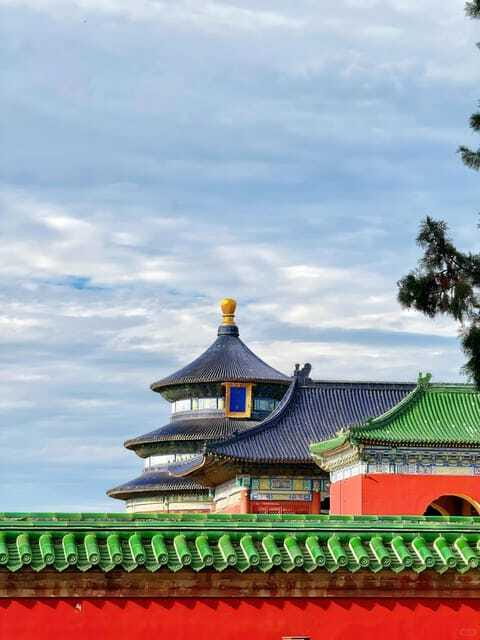
Next up is the Circular Mound Altar, described for worship on the Winter Solstice. This is where the site’s symbolism gets practical. The heavens-and-Earth theme isn’t just explained; it’s built into the shapes and the placement of the ceremony spaces.
Even if you don’t know Chinese ceremony details before arriving, you’ll still get the big idea: seasonal worship followed a calendar, and the park was the physical stage for that rhythm. That helps you see the park as a functioning cultural system, not just a collection of nice structures.
If you’re a photographer, the altar area can also give you strong visual variety compared to the hall facade. Think: more angles, more geometry, and more “walking around” moments than a single front view.
Palace of Abstinence / Palace of Heavenly Purity: where preparation belonged
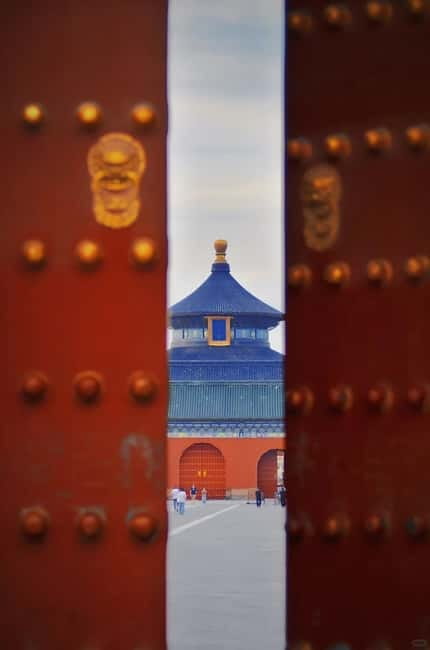
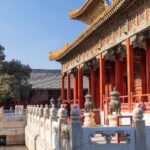
The palace stop is all about the period before ceremony. The information you’re given places the Palace of Abstinence as where the emperor stayed before ceremonies, which tells you something important: the worship was not casual. There’s a whole stage of preparation baked into the system.
Some tour descriptions also list this palace area as the Palace of Heavenly Purity. Either way, the experience takeaway is similar: you’re moving from sacred worship spaces into the preparation world that made the ceremony possible.
This part is great when you want a break from the altars. You’re still in the same story, but it feels different—more about roles, routine, and readiness than direct prayer at the main hall. If you like culture that shows how people prepared for important moments, this stop is a keeper.
Divine Music Office: the ceremony wasn’t just visuals
One stop that can surprise you—in a good way—is the Divine Music Office. It’s where ceremonial music and rituals were rehearsed, meaning the whole event depended on more than architecture and symbolism.
Why this matters for you: it adds a human layer. Even in a place that’s mostly stone and wood, the park reveals that ceremonies required timing, performance, and practiced order. You’re seeing how culture turns into a repeatable procedure.
If you’re visiting Beijing and you want one experience that feels more than tourist scenery, this is that moment. It’s small compared to the hall itself, but it gives the complex a deeper logic.
When to go: seasonal hours that affect your “best use of time”
Opening times change by season, and it affects what you can realistically do in a single day.
For 11.01 to 3.31 (second year):
- Park: 6:30 to 21:00
- Attractions in park: 8:00 to 16:30
For 4.01 to 10.31:
- Park: 6:00 to 21:00
- Attractions in park: 8:00 to 17:30
Here’s the practical takeaway: even if the park stays open late, the attractions tied to key areas may close earlier. Plan to reach the main ceremony route earlier in the day, especially if you want a relaxed pace with photos and time to read the context.
Also watch your day choice. The combined ticket detail notes an exception for Monday. That doesn’t mean everything is unavailable, but it’s another reason to double-check ticket type before you arrive.
Group pacing, guide English, and how to use the 3–8 hours
The tour is set up for a small group (max 10) and uses an English live guide. You’ll typically get a structured, guided segment—around 3 hours for the guided tour portion—then you can build your day with extra time depending on the departure and your interests.
How to get the most from the time:
- If you love history and meaning, lean into the guide’s explanations and ask about how the seasonal rites connect to the altars.
- If you’re mainly here for photos and the iconic hall, still listen for 10 minutes at each stop. The explanation helps you frame better pictures because you understand what you’re aiming at.
- Plan a simple food option since meals are not included. Bring water and plan for a snack break.
The best part about this setup is that you’re not forced to sprint. You’re guided through the “must check-in” points, and you can choose how much extra wandering you do in the park afterward.
What to bring (and what to skip) at Temple of Heaven
Bring your passport. Names and passport numbers are required, and it’s the key doc tied to your ticket information.
Skip the obvious but important restrictions:
- Alcohol and drugs are not allowed.
- Fireworks are not allowed.
Also, since you’ll be walking through a large outdoor park, pack with Beijing weather in mind: layers and comfortable shoes. If you’re traveling in colder months, you’ll thank yourself for timing your arrival so you don’t arrive right at the coldest part of the day.
Value check: is this worth it versus DIY?
For $39, you’re buying two things: entry coverage (with ticket-type nuance) and the help that keeps you from guessing. In a park as big as Temple of Heaven, “guessing” can cost time and energy.
This tour makes the most sense if:
- You want an English-speaking guide to explain symbolism as you walk.
- You prefer a small group pace and an easy-to-follow ceremony route.
- You’d rather spend energy enjoying the site than sorting out gate entry and ticket details.
If you’re the kind of traveler who loves independent wandering and you already know exactly which areas you want to enter, you may choose to self-ticket. But if you’re worried about QR code confusion or want help with on-site ticket purchasing if needed, the guided setup becomes more valuable.
Should you book this Temple of Heaven Park ticket with an optional guide?
I’d book it if your priority is seeing the main ceremony highlights in an organized way. The Hall of Prayer for Good Harvests is the obvious must-see, and the added stops—Circular Mound Altar, palace preparation areas, and the Divine Music Office—turn the visit into more than a landmark photo quest.
You should think twice if you strongly dislike any chance of extra fees at attraction gates. The ticket coverage depends on booking timing and whether your ticket is marked as a combined ticket (and Monday can be an exception), so confirm what you’re actually getting before you show up.
If you want a clear, efficient Temple of Heaven day with English guidance and a small-group feel, this is a solid pick. Just double-check your ticket details in your email or WhatsApp, bring your passport, and plan your timing based on seasonal attraction hours.
FAQ
How long is the Temple of Heaven Park experience?
The experience duration is listed as 3 to 8 hours, depending on your selected starting time and the season.
What’s included in the ticket price?
It includes Temple of Heaven Park tickets and an information service fee. A live English tour guide is available as an option.
Are meals included?
No. Food is not included.
Where do we meet, and is the meeting point fixed?
The specific meeting point is sent to you after you book, so it may not be the same for every departure.
What do I need to bring?
You should bring your passport, since name and passport number are essential.
What are the main things to see during the visit?
Key stops include the Hall of Prayer for Good Harvests, the Circular Mound Altar, the Palace of Abstinence (and the Palace of Heavenly Purity as listed), and the Divine Music Office.
Is the tour wheelchair accessible?
Yes, it is wheelchair accessible.