REVIEW · BEIJING
Beijing Old Hutongs Tour by Rickshaw
Book on Viator →Operated by Hantang International Travel Service · Bookable on Viator
Pedal past Beijing’s lanes with a real driver. This is a rickshaw hutong outing that turns famous landmarks like the Drum Tower into something you reach slowly, right through the old narrow alleys locals still use. I especially like the tea tasting stop (it’s not just sightseeing, you’re learning what you’re drinking) and the chance to see daily life from inside a traditional-style home area. One thing to weigh: the tour can feel shopping-heavy at the edges, and some key expectations (like specific mansions) may not happen every day.
You’ll start with hotel pickup (for hotels inside the 4th ring) and then ride your pedicab through hutongs built from small, winding streets. The guide is listed as English-speaking and you’ll get admission tickets for the tower visit, plus the tea tasting. Still, plan with flexibility: a few past departures ran short, got swapped between guides, or included add-on stops like a silk workshop that shift the focus away from quiet culture.
In This Review
- Hutong Rickshaw Reality Check: What This 3-Hour Tour Really Delivers
- From Hotel Pickup to Drum Tower Views: The Energy of the Start
- Pedicab Through Hutongs: The Part You’ll Remember
- Bell and Drum Towers: Worth It for the Climb
- Home Visit: When It’s Genuine and When It Feels Brief
- Tea Tasting at a Local Tea House: The Culture Portion That Actually Teaches
- Silk Workshop and Shopping Stops: Interesting, But Go in With Boundaries
- Guide Quality: Why Names Like Gale, Cynthia, William, Michael, and Mr. Goo Matter
- Price and Value at $77: What You Get for a Half-Day
- Who Should Book This Hutong Rickshaw Tour (and Who Should Skip)
- Should You Book? My Simple Decision Guide
- FAQ
- What’s the duration of the Beijing Old Hutongs Tour by Rickshaw?
- Do I get hotel pickup and drop-off?
- What’s included in the price?
- Are meals included?
- What if I want to cancel?
- Is there a mobile ticket?
Hutong Rickshaw Reality Check: What This 3-Hour Tour Really Delivers

This is built as a classic “old Beijing highlights” loop, but the value is in the movement. You’re not just looking from a bus window. You’re in the rickshaw—slow enough to notice the texture of the neighborhood, fast enough to cover real distance in 3 hours.
The morning (or afternoon) rhythm is straightforward: air-conditioned transfer to the tower area, then your rickshaw ride through hutongs, then a home-style stop and tea tasting. In some versions, you also end up at a silk workshop or silk-related shop. If you want old Beijing in short doses—views, neighborhoods, and a couple of culture stops—this format works.
Where it can vary is exactly what you came for. Some people loved how much time the guide spent answering questions and giving context. Others felt the house visit was brief or more staged than genuinely “hang out with a family.” There are also mentions of extra stops designed to sell, so go in knowing you can say no and move on.
From Hotel Pickup to Drum Tower Views: The Energy of the Start
Your day begins with pickup in an air-conditioned vehicle. If your hotel sits within the 4th ring circle highway, you’re picked up and dropped off. If you’re outside that area, you’ll meet at Prime Hotel (No. 2, Wangfujing Ave., phone +86-10-65136666) and join at 08:30AM or 01:00PM.
That start matters because it protects your time. Beijing has traffic, and the hutongs can be tricky to reach on your own. Having a guide coordinate the transfer helps you spend your limited time on what you actually want: the Drum and Bell Tower area, then the alleys.
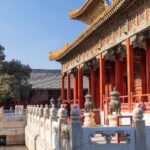
Then comes the climb. The itinerary includes the Drum Tower and the Bell/Drum Tower area as a stop, with admission tickets included. The Drum Tower visit is famous for the bird-view angle—especially if you’re trying to understand how the old city grid sits next to modern Beijing.
Practical note: expect stairs. One review specifically called out that the Bell Tower climb involved steep stairs, and that can matter if you’re not feeling great physically or you’re traveling with kids.
You can also read our reviews of more tours and experiences in Beijing.


Pedicab Through Hutongs: The Part You’ll Remember
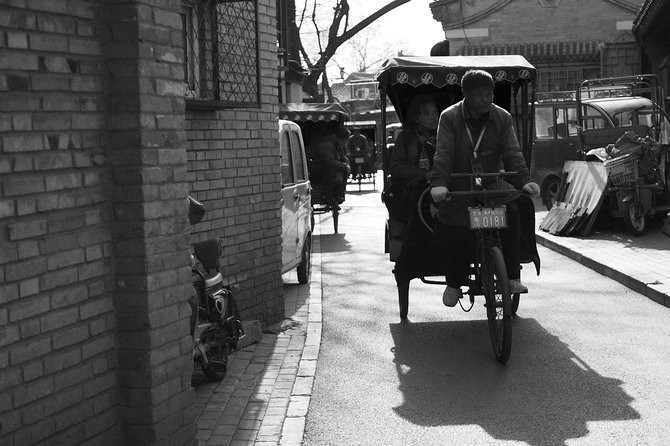
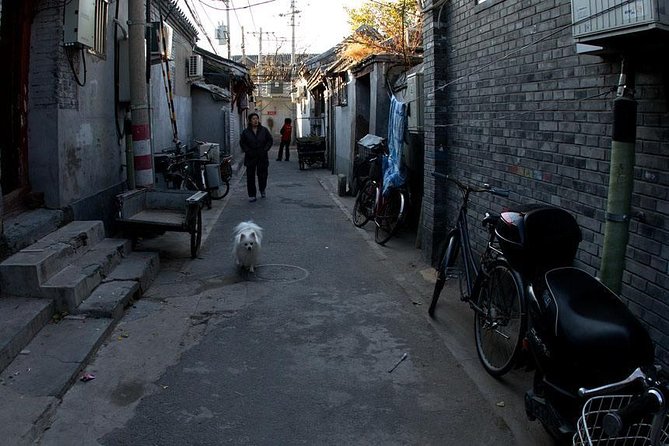
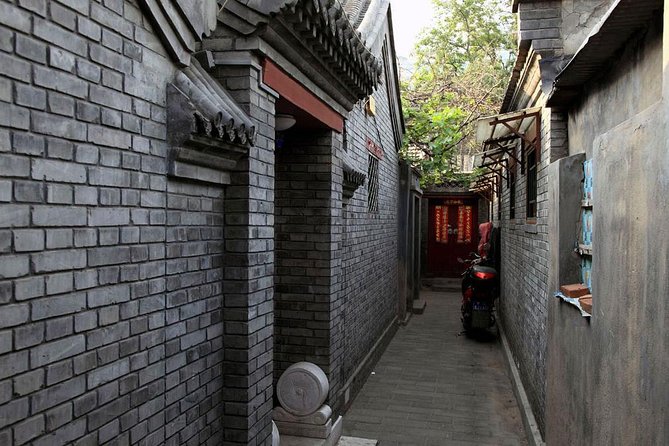
The hutong portion is the headline for a reason: your route weaves through old, narrow alleyways where the pace is different. You’ll learn what hutongs are—small windy lanes between main boulevards—and the whole point is to see how daily routines fit into tight spaces.
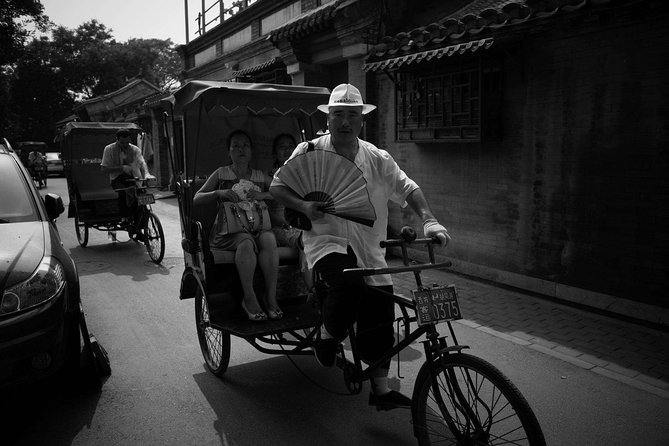
The best part of this segment is the human scale. Instead of “viewpoints,” you get small moments: doorways, courtyards, bicycles, neighborhood chatter, and the way streets tighten into passages. Even if you only experience a slice of the area, the rickshaw makes the street feel close.
What I like here: a rickshaw ride naturally slows your thinking. You stop scrolling photos and start noticing details, like how many entrances open right off the alley and how quickly the street scene changes around corners.
What to watch: the rickshaw ride may be only part of the overall time. Some people felt there wasn’t much pedicab time compared to what they expected. If you’re booking mainly for the ride, ask yourself whether you also want the tower climb, tea tasting, and home visit. If you want only the hutongs, you might want to pair this with extra self-guided wandering afterward.
Bell and Drum Towers: Worth It for the Climb
This tour includes the tower stop as part of the program, and the payoff is the bird-view look at old Beijing. The Drum Tower is often where you can understand the city’s shape from above—where the hutong street web sits and how it connects to wider roads.
Even when the rickshaw ride itself feels short, the towers can rescue the experience because they add perspective. One review highlighted a guide who couldn’t have been better and included a cool view from the bell tower area. Another review said getting the tea talk in that tower stop was a nice addition.
Two important practical realities:
- You’re doing it on foot plus stairs. Plan comfortable shoes.
- Drum and Bell Tower experiences can vary by day. One person noted that the tour would have been even better if it lined up with a time when the drums were played.
If a tower climb is your “non-negotiable,” this part is one of the strongest reasons to book.
Home Visit: When It’s Genuine and When It Feels Brief
The program includes a visit to a local home to meet a Chinese family and get insight into traditional customs. This is the part many people hope will feel real and personal.
In the best versions, the family-host moment gives you a window into everyday life and traditions in a space that looks lived-in, not staged. Several reviews used words like interesting, insightful, enlightening, and gracious about the home stop. One review also described being shown family-related items like miniature glass bottle painting, with no pressure to buy.
But you should know the risk. There are accounts of a home stop that didn’t feel like an active family home. One person said the interaction was limited—more like a greeting and explanations rather than real conversation. Another noted that the home visit felt underwhelming and more like a tourist place than a genuine home.
So here’s my advice: treat the home stop as a bonus culture moment, not the entire goal. If you’re lucky, it will be the highlight. If not, you can still get value from the hutong ride and tea tasting, which are more consistently part of the experience.
Tea Tasting at a Local Tea House: The Culture Portion That Actually Teaches
Tea tasting is included, and that’s a major value point for this tour. Tea is not just a drink here—it’s a chance to learn how different varieties taste and how Chinese tea culture works.
In reviews, this segment shows up as a highlight again and again. People mentioned tea ceremony experiences and trying around multiple types of tea. One person said they enjoyed the ceremony, tea tasting, and even purchased tea afterward as a reminder.
It also tends to be the least physically demanding stop, which makes it a good “breather” after stairs and pedaling. And because the tea tasting is included, it’s also less of a gamble than optional activities.
What to watch: some reviews complained about tea selling at high prices. If you don’t want to shop, you can still treat this as a tasting-only experience—hold onto your calm, and don’t let pressure change your choices.

Silk Workshop and Shopping Stops: Interesting, But Go in With Boundaries
A silk factory or silk-related stop may happen depending on interest. Some reviews describe it as touching silk worm cocoons and seeing how silk is made, and some describe it as a broader shopping stop (silk products, household goods, clothing).
This is the most variable part of the experience. One person said skipping the silk mall would have improved the tour. Another said the silk stop was interesting for their child because it included seeing oysters and silkworms. The pattern is clear: it can be fascinating if you like craft demos, but it can also feel like a sales detour.
My practical take:
- If you’re excited by textiles and don’t mind a small shop, it can add fun variety.
- If your goal is quiet cultural contact, keep your expectations modest.
- Bring an iron will for saying no. If something costs more than it’s worth to you, pass.
Guide Quality: Why Names Like Gale, Cynthia, William, Michael, and Mr. Goo Matter
A tour like this lives or dies on the guide’s style. The good ones do three things well:
1) explain what you’re seeing in plain language,
2) answer questions without rushing,
3) keep the schedule on track so you don’t end up sprinting.
You can see that difference in the guide names mentioned in real experiences. People credited guides such as Gale for being punctual and knowledgeable, and others praised Cynthia for mixing explanations with conversation. Reviews also mention William as excellent and professional, Michael as a friendly, knowledgeable guide in at least one case, and Mr. Goo as a wonderful guide who made hutongs feel essential.
There are also frustrations tied to guide issues—like short tours, guide swapping, and missed promised attractions. One account even described a serious payment dispute mid-tour, which is a red flag you should take seriously. Another described a promised mansion not being included because it was closed.
So when you book, you’re not just booking a route. You’re booking a human who handles the route. If you can, read your tour day’s guide notes (where available) and be clear on what you expect to see.
Price and Value at $77: What You Get for a Half-Day
At $77 per person for about 3 hours, you’re paying for a bundle: hotel pickup, a professional English-speaking guide, rickshaw hutong transport, admission tickets for tower areas, tea tasting, and at least one cultural stop inside the hutong neighborhood.
That’s reasonable if your time is tight and you don’t want to organize logistics yourself. Beijing has a lot of “hard to reach alone” friction—taxis don’t always solve the timing problem in busy areas, and hutongs are easiest to appreciate when someone knows where to point you.
But the value depends on what you care about most.
- If you want hutong streets + tower views + tea tasting, this pricing feels like it makes sense.
- If you booked for a specific mansion or a long, dedicated hutong ride, you could feel disappointed if your day turns shorter or swaps stops.
For me, the best value indicator is whether the tour stays on message and uses its time for meaningful cultural moments rather than sales pressure. When the guide is strong, you’ll likely feel like $77 bought you more than photos.
Who Should Book This Hutong Rickshaw Tour (and Who Should Skip)
This tour fits well if you:
- want an easy introduction to Beijing’s hutongs without navigating on your own,
- like a mix of outdoor walking plus indoor culture stops,
- enjoy tea tasting and don’t mind optional shopping if you can say no,
- have limited time (3 hours is a nice chunk for a first or second day).
I’d think twice if you:
- need a very specific mansion included (some past schedules didn’t match expectations),
- hate shopping stops so much that even a short one ruins the mood,
- have mobility limits for stairs at the Drum/Bell Tower area,
- expect a long rickshaw drive as the main event.
This works best as a “program-style” taste of old Beijing, then follow it with your own extra wandering.
Should You Book? My Simple Decision Guide
Book it if you want structured old Beijing in a short time window and you like tea culture, tower views, and getting that close-up hutong feeling.
Consider alternatives or add-ons if your priorities are narrower—like only the hutongs—or if you’re very sensitive to shopping pressure and schedule changes.
If you do book, go in with a clear mindset:
- Ask yourself what your top two must-haves are (for many people it’s hutong riding and tower views).
- Treat the home visit as a bonus that can be great or brief.
- Keep your spending decisions for later. Your best memories here will come from streets, stairs, and tea—not from purchases.
FAQ
What’s the duration of the Beijing Old Hutongs Tour by Rickshaw?
The tour lasts about 3 hours.
Do I get hotel pickup and drop-off?
Yes, pickup and drop-off are included for hotels located within the 4th ring circle highway. If your hotel is outside that area, you’ll join at Prime Hotel (Wangfujing) at either 08:30AM or 01:00PM.
What’s included in the price?
Included features are rickshaw travel down the hutongs, hotel pickup/drop-off, a professional English-speaking tour guide, tea tasting, and admission tickets.
Are meals included?
No. Food and beverages are not included.
What if I want to cancel?
Free cancellation is available up to 24 hours in advance for a full refund.
Is there a mobile ticket?
Yes, a mobile ticket is provided.