REVIEW · BEIJING
Beijing: Longing Gorge Ice Festival w/Optional Activities
Book on GetYourGuide →Operated by Discover Beijing Tours · Bookable on GetYourGuide
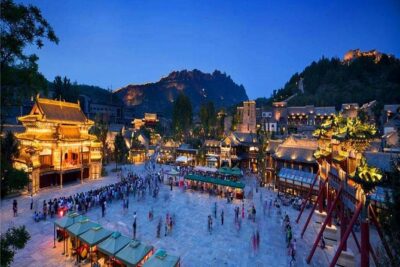
Ice lanterns change Beijing at night. This winter-only private experience links major Beijing sights to the Longqing Gorge Ice and Snow Festival, with private transfers and a guide who can explain what you’re seeing as you go.
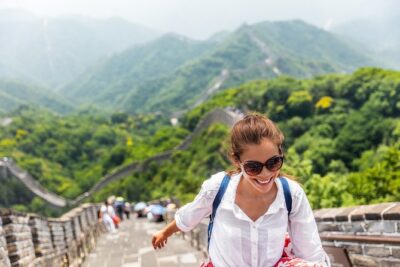
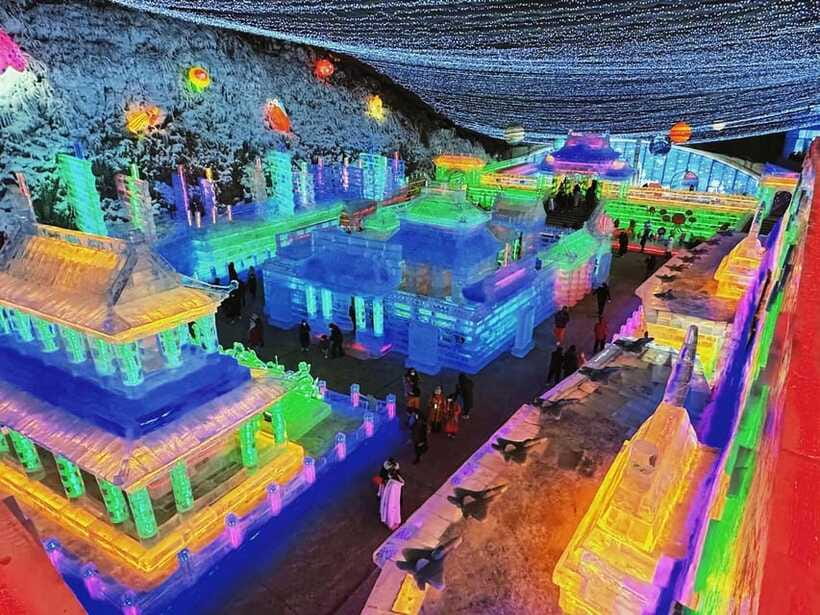
Two things I like a lot: the Badaling Great Wall option (cable car up, then about a 2-hour wall walk), and the Longqing Gorge ice festival itself, with over 400 themed sculptures lit up after dark.
The trade-off is simple: it’s winter, it’s cold, and you should plan for moderate walking, including time on the Great Wall. If you have back issues or need wheelchair access, this isn’t a fit.
In This Review
- Key things to know before you go
- Longqing Gorge Ice Festival: why the timing and the night lanterns matter
- Private Badaling Great Wall and Longqing Gorge: classic Beijing plus a winter finale
- Ming Tombs and Longqing Gorge: Dingling’s underground palace adds a darker kind of wonder
- Summer Palace and Longqing Gorge: royal gardens, imperial stories, then ice lantern night
- Tian’anmen Square and the Forbidden City, then Longqing Gorge
- Badaling Ski Resort option: snow fun if you want less walking
- The night tour: Longqing Gorge only, with a smooth evening drive
- How the private format works in winter Beijing (and why it matters)
- What you should pack (so winter doesn’t steal your day)
- Price and value: is $147 per person a good deal?
- Who should book this winter combo tour?
- Should you book this Beijing winter tour?
- FAQ
- When does the Longqing Gorge Ice and Snow Festival run?
- How long is the tour?
- Is this a private tour?
- What options can I choose besides Longqing Gorge?
- Is lunch included?
- Are entrance fees included?
- What languages do the guides speak?
- What’s the cancellation policy?
- Is it suitable for wheelchair users or pregnancy?
Key things to know before you go
- Longqing Gorge runs mid-January to end-February, so timing matters more than usual in Beijing winter.
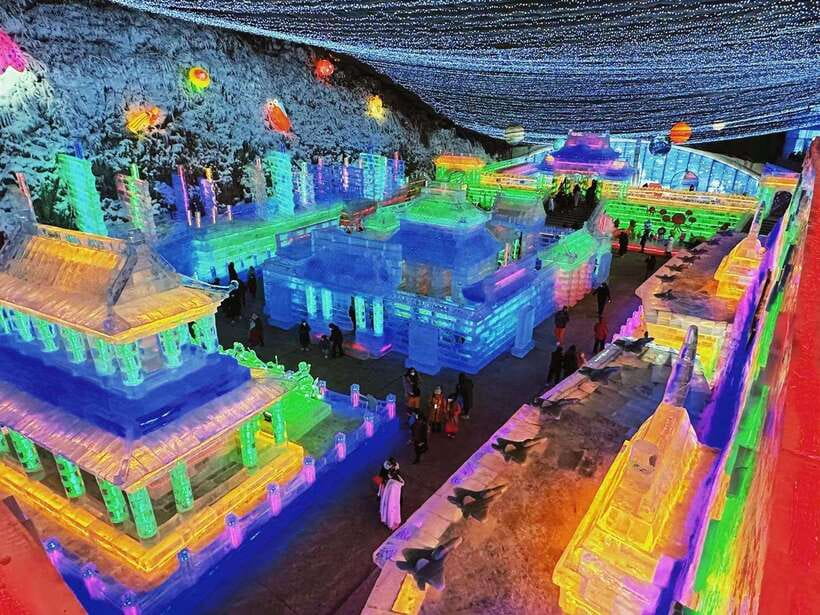
- 400+ themed ice sculptures are illuminated at night, making the lantern element the main event.
- Six different pairings let you choose your Beijing “day” vibe: imperial palaces, tombs, Great Wall, skiing, or just the festival at night.
- Your guide is with you the whole time (English and Chinese), including stories behind the sites you visit.
- Private pace + private car means fewer wait-and-transfer headaches in freezing weather.
- Day tours include lunch at a local Chinese restaurant; night tours skip food, so plan accordingly.
Longqing Gorge Ice Festival: why the timing and the night lanterns matter
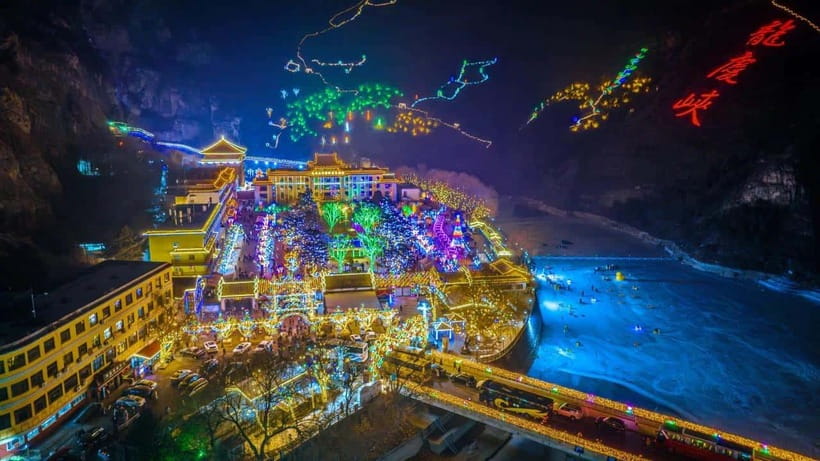
If you’re going to Beijing in winter, you’re already dealing with short days and cold air. What makes the Longqing Gorge Ice and Snow Festival worth building your trip around is that it’s designed for winter viewing, then amplified after dark. You’ll be moving through real winter scenery and then landing in a world of illuminated ice work.
The festival features over 400 themed ice sculptures, created by both Chinese and foreign artists. That number matters because it changes the feel of the visit: you’re not just seeing a few highlights. You’re walking through a staged winter scene where the lighting does half the work for you—especially on night tours.
The festival season is mid-January to late February, so I treat this as a date-based booking. If your Beijing trip falls outside that window, you’ll want a different plan than the one tied to the ice festival.
You can also read our reviews of more tours and experiences in Beijing.
Private Badaling Great Wall and Longqing Gorge: classic Beijing plus a winter finale
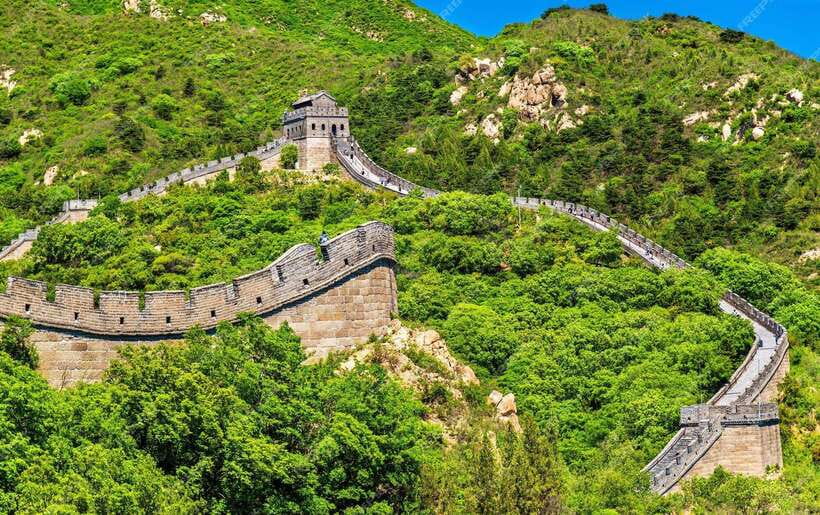
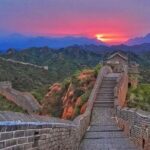
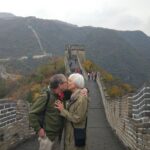
The Badaling pairing is the one most people picture when they think Beijing: Great Wall first, then ice lanterns. It also makes practical sense. You get the “big-ticket” view element in daylight, then finish when the ice sculptures are most dramatic.
Here’s how it plays:
- You meet your private guide and climb into an air-conditioned vehicle from your pickup point.
- Your guide shares history on the way to the wall.
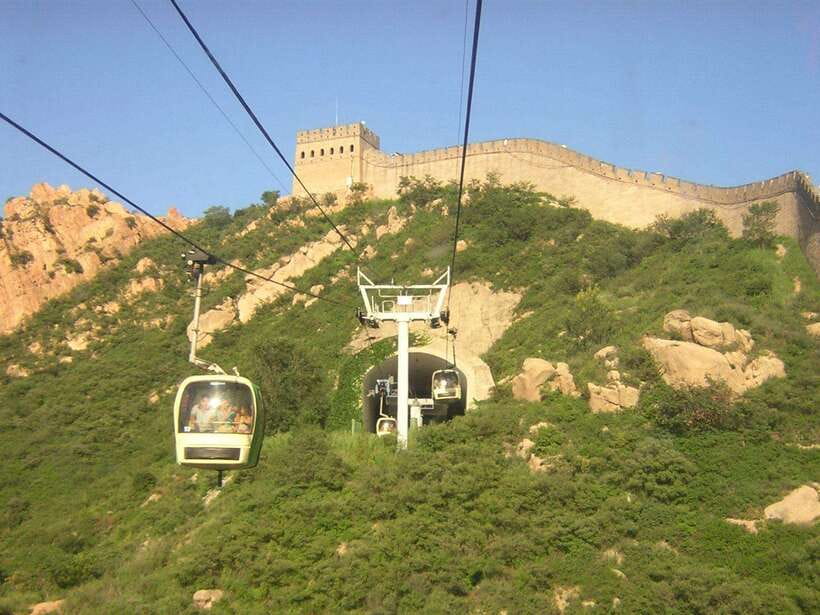
- At Badaling, you ride a cable car to the peak for panoramic views.
- Then you hike along the wall for about 2 hours, not a rushed sprint, but still real walking in winter conditions.
- After lunch, you head to Longqing Gorge for the festival, where the ice and snow display is illuminated at night.
Two practical tips make this option work:
- Bring water and snacks for the wall walk. Winter hiking can feel easier than summer, but you still burn energy.
- Wear shoes with solid grip. Ice and packed snow can make steps slick even when the weather looks calm.
One note to keep expectations grounded: the tour mentions the ice festival is mostly indoor-focused, and one detail people might hope for (like certain fun additions) may not always be running in that season. In other words, plan your day around the core ice sculptures and lantern lighting, not backup attractions.
Ming Tombs and Longqing Gorge: Dingling’s underground palace adds a darker kind of wonder
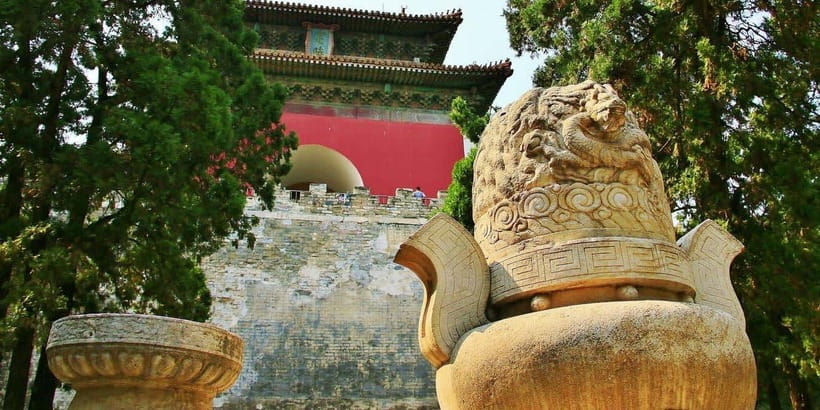
If you want more than outdoor sightseeing, the Ming Tombs option is a smart pivot. It shifts you from dramatic views to something more rare: life-after-death architecture and imperial burial culture.
This day pairing typically looks like:
- A drive north to the Ming Tombs
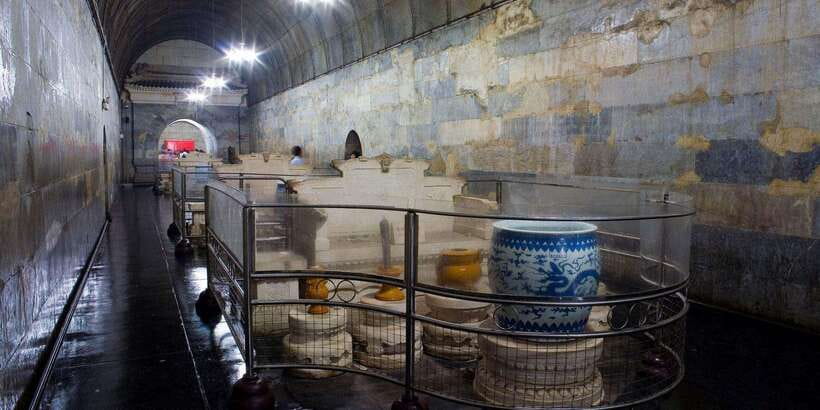
- A focus on Dingling, which is described as the only underground palace open to the public
- Your guide explains the Ming era, the emperor tied to Dingling, and the way the burial system reflected imperial power
- After that, you continue to Longqing Gorge for the festival
The tour gives specific historical anchors that make the time feel more “real” than a stop-and-photo day:
- Dingling was built for Emperor Zhu Yijun, noted as the longest-reigning Ming emperor.
- Construction is described as taking six years, completed in 1590.
What I like for your experience here: this option creates contrast. You start with a deeper, more solemn imperial site, then switch to ice lanterns—both are themed, but in totally different emotional directions. If you’re the type who enjoys how politics, ritual, and daily life get built into monuments, this is one of the more satisfying routes.
Summer Palace and Longqing Gorge: royal gardens, imperial stories, then ice lantern night
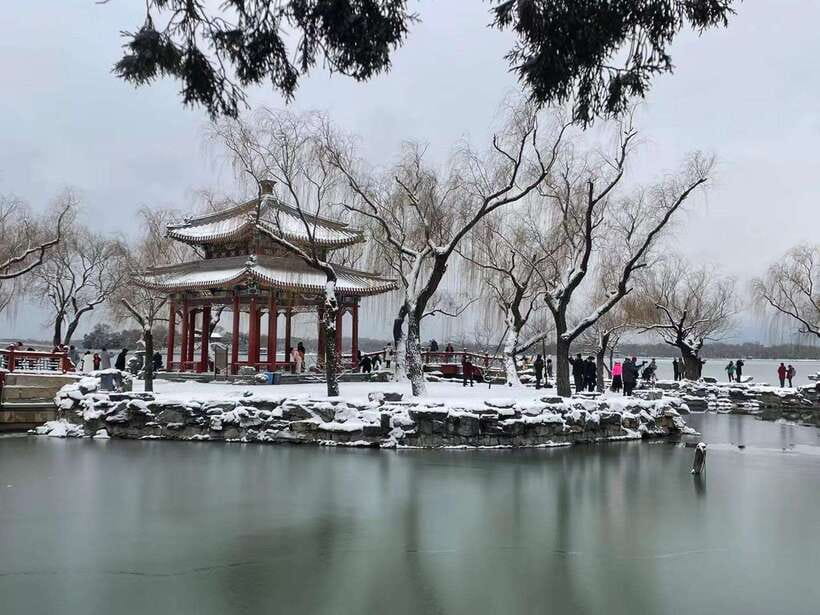
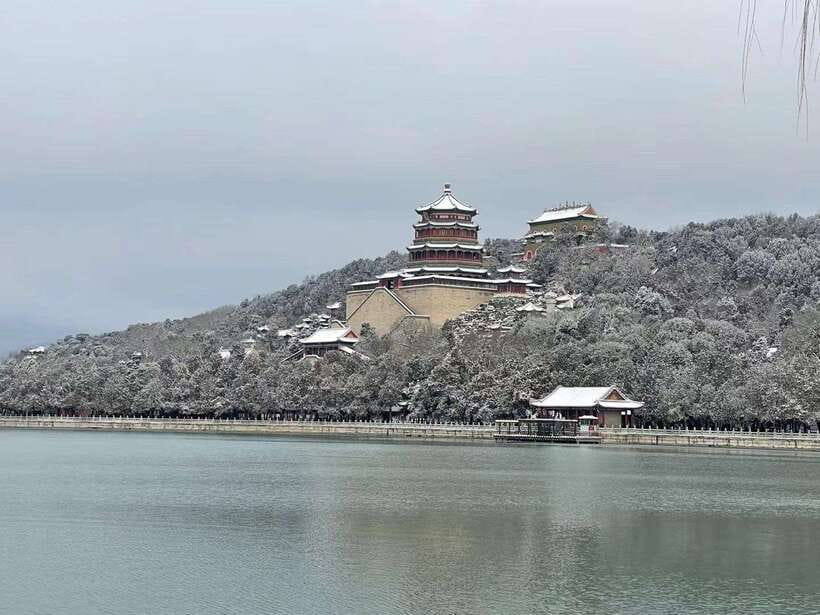
The Summer Palace stop is about atmosphere: gardens, buildings, and a sense of place built for leisure and power. It’s a nice match for a winter day because the palace is a “wander with intention” site, not just a single viewpoint.
This pairing generally includes:
- Pick up and travel to the Summer Palace
- Time with your guide exploring the grounds and iconic buildings
- Stories tied to famous figures from imperial legend—specifically, the guide will cover the “Dragon Lady”
- Later, travel to Longqing Gorge for the festival time
Then you get the same winter finale: the ice and snow display with illuminated sculptures. That’s the part you’re really booking for if it’s your first winter in Beijing.
One practical angle: since winter weather can be unpredictable for outdoor walking, the Summer Palace can be easier to enjoy than a wall hike. You still walk, but it’s often more forgiving than climbing steps for a long stretch.
Tian’anmen Square and the Forbidden City, then Longqing Gorge
This pairing is for you if you want the “must-see” Beijing core first, then a surprising left turn into winter art. Starting at Tian’anmen Square gives you scale right away. It’s described as one of the world’s largest public squares, and it sets the tone for the imperial storyline that follows.
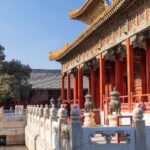
Then you move to the Forbidden City, a UNESCO site and imperial residence for 24 Ming and Qing emperors. Your guide focuses on grand architecture and the royal history as you walk through palaces and courtyards.
The important balancing act here is time. These are big places, and winter days are short. The private format helps because it lets the guide shape the pace to your group and weather conditions, instead of you getting herded with a large crowd.
After lunch, you head to Longqing Gorge. That’s when you get the contrast payoff: monumental power in daylight, then ice sculptures glowing at night.
Badaling Ski Resort option: snow fun if you want less walking
Not everyone wants a full day of historical walking plus winter steps. The Badaling Ski Resort option gives you a more active day, with a clear time block for skiing.
From your hotel, you travel to the resort and then get:
- Full access to ski lifts
- Ski equipment rental
- 3 hours of skiing time
- A setup that’s described as ideal for beginners and casual skiers
After lunch, you still go to Longqing Gorge to see the frosty scenery and/or ice lantern festival elements (season-dependent in the description).
Why I think this option can be excellent value: it swaps some of the slow, cold walking time for a structured activity with equipment included. If you’re a first-timer, this can feel like the easiest way to get real winter joy without turning the day into a stamina test.
The night tour: Longqing Gorge only, with a smooth evening drive
If your main goal is the ice lantern atmosphere—and you’d rather save your daytime energy—the night tour option is the cleanest choice.
It works like this:
- Depart downtown Beijing
- A drive of about 2 hours to Longqing Gorge
- Spend about 2 hours enjoying the illuminated ice sculptures and festival atmosphere
The night tour is also the most straightforward option if your daytime schedule is packed with other Beijing plans. Just remember: it’s specifically a lantern-festival style visit, and the “food not included” note for night tours means you’ll want to eat before you go.
How the private format works in winter Beijing (and why it matters)
In Beijing winter, logistics is part of the experience. This tour is a private group, with private transportation and a guide meeting you at the hotel lobby (your pickup point is listed as Qianmen, too, depending on your arrangement). That matters because public transit in deep winter can be slow, crowded, and full of stairs—none of which you want after a wall climb or a long museum-like route.
Also, the guide experience is a key selling point. The program notes 10+ years of experience, and the guides named in the feedback—Li, Miko, Andy, and Jack—show a pattern: they’re giving context, not just reading a list of facts. One example included guide Andy adapting the day based on the group’s needs, and another mentioned Li handling wall access challenges so the plan stayed enjoyable.
For you, that means fewer “regret moments,” like getting stuck on timing pressure or missing key context because you couldn’t keep up.
What you should pack (so winter doesn’t steal your day)
This is an outdoor-and-cold day with walking. The basics are repeated for a reason:
- Comfortable shoes
- Warm clothing
- Camera
- Bring water and snacks for the Great Wall option
I’d add one small mindset shift: treat it like a winter hike plus a night display. If you only dress for standing around, you’ll feel it later.
And because the walking is described as moderate and not recommended for mobility impairments, I’d also be honest about your physical comfort before booking. If you can’t handle a 2-hour wall hike, pick a palace or tomb option, or go with the night-only festival.
Price and value: is $147 per person a good deal?
At $147 per person, this isn’t a bargain-bin tour, but it’s also not priced like a luxury transfer-and-sing-a-long situation. You’re paying for three things that are hard to replicate on your own in winter:
- Private transportation: air-conditioned vehicle for the longer drives, door-to-door style from your area, and less hassle with timed entrances and cold waiting.
- A professional guide: the tour emphasizes years of experience and story-driven explanations. That tends to make major sites feel more connected rather than a series of disconnected photos.
- Entrance fees for the selected package: your ticketing is built around the attractions in your chosen option, and the tour clarifies that entrance fees cover only those specified stops.
Then there’s a practical value lever:
- Lunch is included for day tours at a local Chinese restaurant.
- Food isn’t included for night tours, so you’ll plan meals separately there.
So the value math changes by option. If you choose a day tour with lunch, you’re getting more “included” than the night-only version. If you’re comparing against DIY travel time, this price starts to look more fair—especially if you’d otherwise spend energy figuring out transit and entrances on icy days.
Who should book this winter combo tour?
This tour is a strong fit if you:
- Want one guided day that combines Beijing highlights with the Longqing Gorge Ice and Snow Festival
- Prefer a private pace in winter over group squeezing
- Enjoy history with a human guide who explains why things were built the way they were
- Like the idea of finishing with illuminated ice sculptures instead of another cold museum visit
It may not be your best choice if you:
- Have back problems, are pregnant, or use a wheelchair (the tour states it’s not suitable for those needs)
- Want minimal walking. Even at the gentler end, the program notes a moderate amount of walking, and some options include a wall hike.
Should you book this Beijing winter tour?
I’d book it if your dates land in mid-January through end-February and you want a day that feels like Beijing at full volume: empire sites by day, then ice lantern artistry at night.
Pick the option that matches your tolerance for cold walking:
- Choose Badaling + festival if you want the Great Wall payoff and don’t mind a real hike.
- Choose Ming Tombs or Summer Palace if you want walking that’s more “stroll-with-focus.”
- Choose ski resort if you want winter fun with built-in equipment and a set activity block.
- Choose the night tour if you’d rather save your daytime energy and focus entirely on the glowing sculptures.
If your top priority is the ice festival atmosphere and you’re flexible on daytime sights, I’d lean night tour. If you want a balanced “Beijing highlights + winter art,” the day options are the sweet spot.
FAQ
When does the Longqing Gorge Ice and Snow Festival run?
It runs from mid-January to end-February, so your Beijing dates need to fall within that winter window.
How long is the tour?
The total duration is listed as 6 to 8 hours, including travel time to and from the attractions.
Is this a private tour?
Yes. It’s a private group tour with a live guide.
What options can I choose besides Longqing Gorge?
You can pair the festival with Badaling Great Wall, Ming Tombs (Dingling), Summer Palace, Tian’anmen Square and Forbidden City, Badaling Ski Resort, or do a Longqing Gorge night tour only.
Is lunch included?
For day tours, lunch at a local Chinese restaurant is included. For night tours, food is not included.
Are entrance fees included?
Entrance fees are included, but only for the attractions in your selected option (the tour notes entrance fees cover only what’s specified for that package).
What languages do the guides speak?
The tour offers a live guide in English and Chinese.
What’s the cancellation policy?
The tour offers free cancellation up to 24 hours in advance for a full refund.
Is it suitable for wheelchair users or pregnancy?
No. The tour specifically lists it as not suitable for wheelchair users and also not suitable for pregnant women or people with back problems.