REVIEW · BEIJING
Beijing Lama temple ticket; #1 efficacious; limited Discount
Book on GetYourGuide →Operated by Fun China · Bookable on GetYourGuide
An 18-meter Buddha stops you cold. You’ll love the Han-Tibetan architecture and the 18m Maitreya carved from a single piece of sandalwood, but go in knowing it’s a working prayer site where you’re likely to feel like an observer.
The Lama Temple, also called Yonghe Temple, is one of Beijing’s big spiritual stops—over three million visitors a year. With a main entrance ticket, you can take your time through incense-filled halls, where chanting can drift through the air.
In This Review
- Key highlights at a glance
- What You’ll See at Yonghe Temple: From Incense Halls to the 18m Maitreya
- The Prayer-First Atmosphere: How the Temple Feels When People Come for Blessings
- A One-Day Visit That Actually Works: What to Do Once You Enter
- Price and Value: Is a $10 Main-Entrance Ticket Worth It?
- Pair It With Hutongs: Why the Neighborhood Matters
- Ticket Codes, Queues, and How to Avoid Common Friction
- Who This Beijing Lama Temple Ticket Fits Best
- Should You Book This Beijing Lama Temple Ticket?
- FAQ
- Where is the Beijing Lama Temple?
- What is the Lama Temple also known as?
- How much does the ticket cost?
- How long is the experience?
- What does the ticket include?
- Do I need to book in advance?
- Is there free cancellation?
- Are there starting times?
- Is it wheelchair accessible?
- Who provides the experience?
Key highlights at a glance
- Han-Tibetan architecture: colorful, highly detailed design mixing two traditions
- 18m sandalwood Maitreya: a towering statue said to be carved from one piece
- Prayer-centered visit: blessings and wishes are a core part of the experience
- Incense and chanting atmosphere: the sensory side is part of why people come
- Ticket is main entrance only: simple plan, you set your own pace inside
What You’ll See at Yonghe Temple: From Incense Halls to the 18m Maitreya
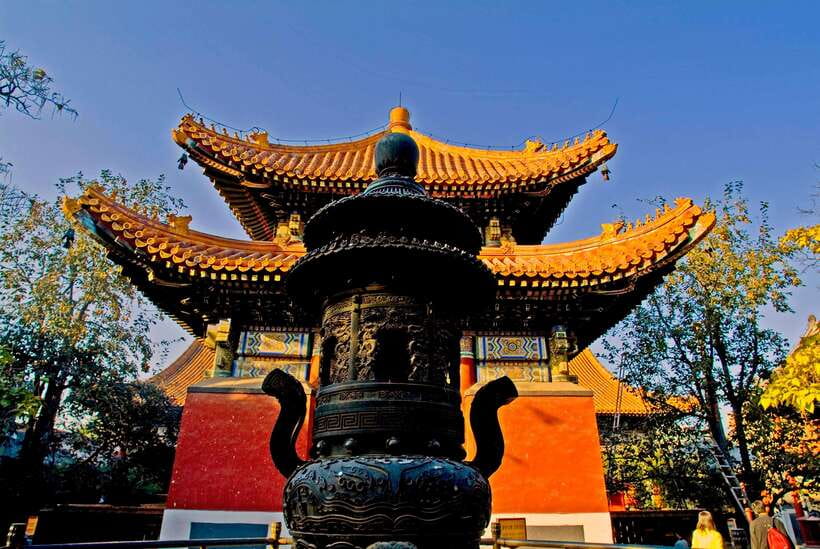
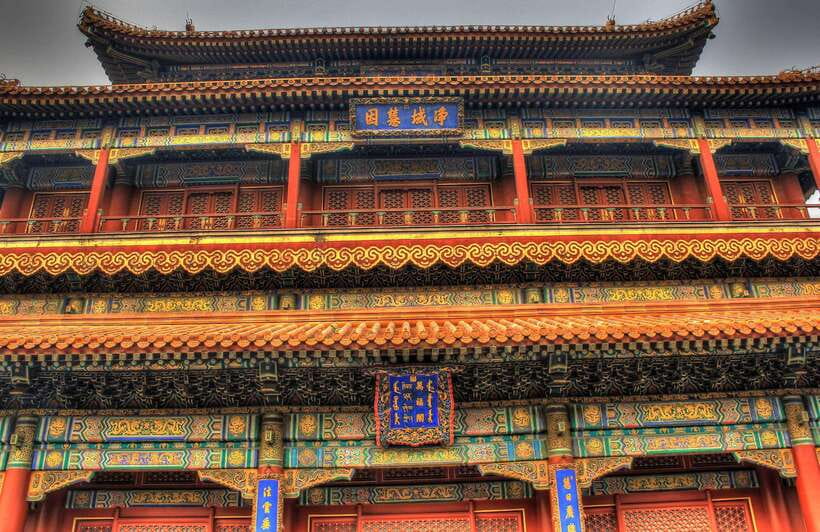
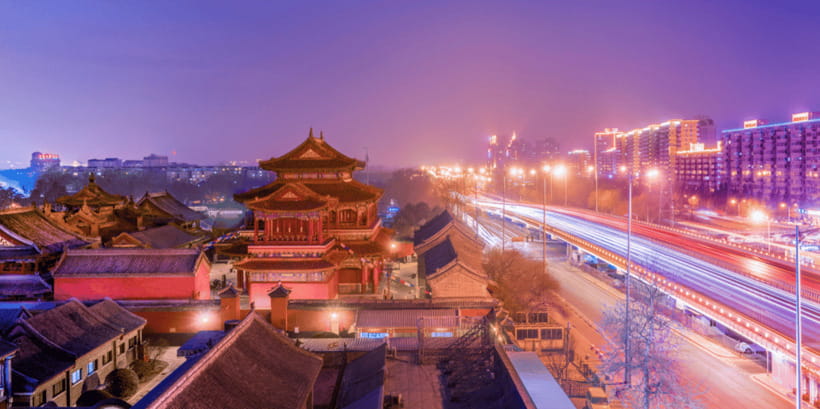
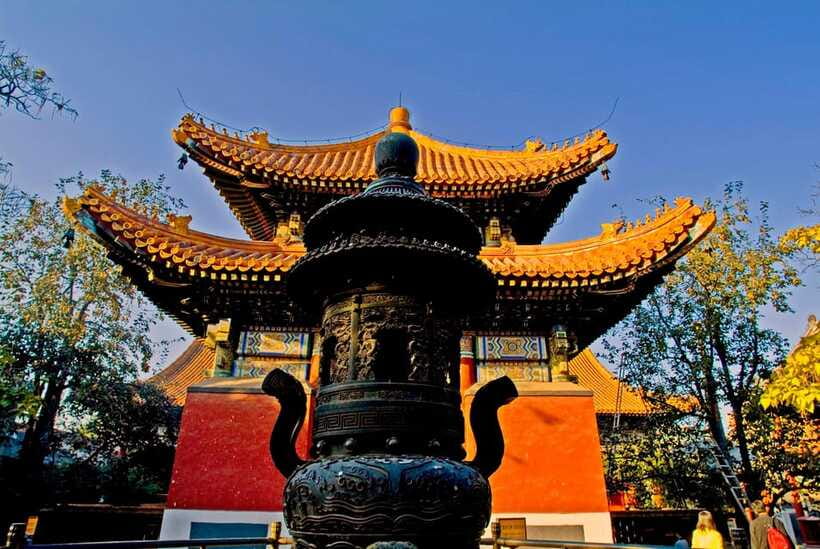
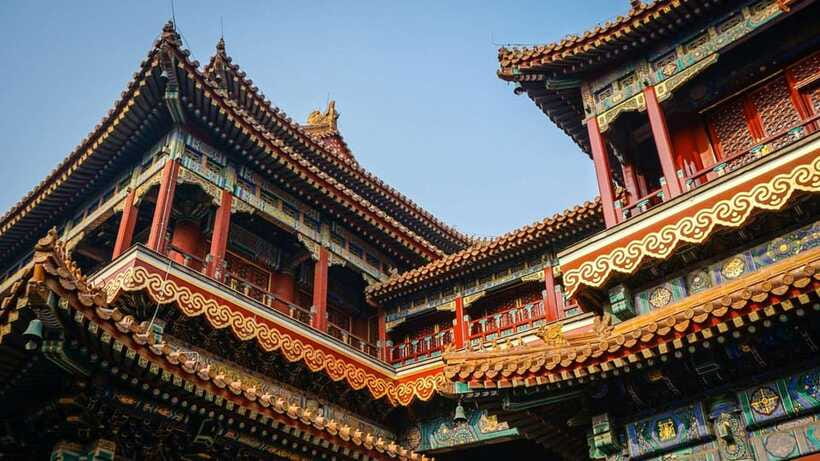
Walk up, enter, and the first thing you’ll notice is the style. The Lama Temple mixes Han Chinese and Tibetan Buddhist design, and it shows in the details: carvings, painted surfaces, and religious symbolism working together rather than competing.
Then there’s the main event: the Maitreya Buddha, listed as 18 meters tall. What makes it special isn’t just the size—it’s described as being carved from a single sandalwood piece. Even if you don’t usually fixate on religious art, that kind of scale changes how you experience the room. It also gives you a clear visual anchor, so your visit never feels aimless.
Inside, you can expect multiple spaces used for worship and quiet reflection. The experience isn’t set up like a museum walkthrough. It’s more like stepping into an active spiritual calendar—people coming for blessings, prayers, and wishes, and you moving through the same grounds at your own pace.
One practical note: because this is a major landmark that draws huge numbers of people, the space can be crowded at peak hours. That’s not the fault of the temple—it’s just the reality of a top destination. If you want photos without shoulder-to-shoulder interruptions, plan to be flexible with timing.
You can also read our reviews of more tours and experiences in Beijing
The Prayer-First Atmosphere: How the Temple Feels When People Come for Blessings
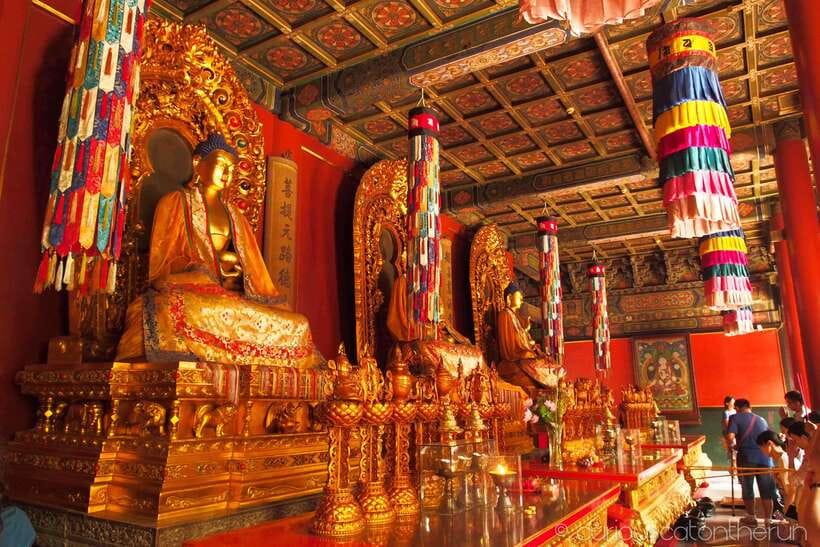
This is a temple where locals come to do more than sightseeing. It’s described as the #1 destination for wishes, blessings, meditation, and reflection. That matters, because it changes the tone of your visit.
You’ll likely smell incense and hear chanting drifting through buildings as you move around. That combination is one of the reasons the Lama Temple hits differently than many other famous stops in Beijing. It doesn’t ask you to treat the place as a photo set; it nudges you to slow down and act like a respectful visitor in someone’s ongoing practice.
Here’s the balance to strike: you can appreciate the architecture and the artwork, but don’t treat the prayer moments like background scenery. If you keep your voice down, step aside when people are gathering, and avoid blocking lines of sight, your visit tends to feel smoother for everyone—including you.
The only real drawback I’d flag is emotional, not logistical. Because this is still used for devotion, it can feel personal in a slightly awkward way—like you’re looking in on people doing something private and meaningful. If that bothers you, aim for calmer hours and keep your attention on the space itself, not on people.
A One-Day Visit That Actually Works: What to Do Once You Enter
Your ticket is valid for one day, and you’ll want to check availability for starting times. Beyond that, the visit is basically about your own flow once you’re inside, since the only included item is the main entrance.
So how do you make the one-day window feel thoughtful instead of rushed?
Start with the big visual anchors. In a place like Yonghe Temple, you want to see the iconic centerpiece (the 18m Maitreya) early enough that you’re not squeezed into whatever spot is left. Think of it as your mental map.
Then follow the prayer rhythm. After the statue, you’ll likely notice different areas where people pause, pray, and reflect. You don’t need to understand every ritual to read the mood: people are here for blessings and wishes. Give those moments space. You’ll get more out of it when you’re not trying to power through.
Let the atmosphere do some of the work. Incense and chanting make the experience more than just what’s in front of you. If you allow short pauses, the temple starts to feel quieter even when it’s busy.
Plan for crowds in the middle of the day. With a site that big (over three million visitors annually), you’re safest assuming you’ll be sharing space. Build in patience and don’t treat the day like a strict checklist.
If you’re visiting as a quick add-on to a Beijing itinerary, this ticket fits well because it’s simple. You don’t have to coordinate a long route or multiple timed stops—once you’re inside, it’s about taking in the Tibetan Buddhist character of the grounds at your own pace.
Price and Value: Is a $10 Main-Entrance Ticket Worth It?
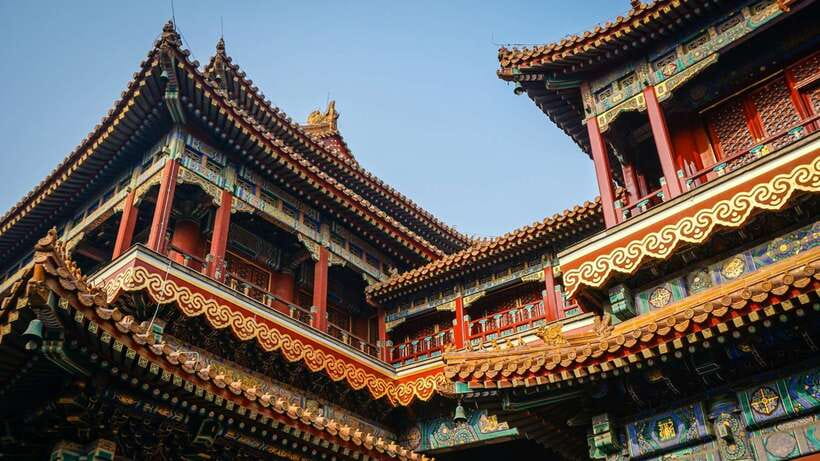
At about $10 per person for a main entrance ticket, this is priced like a cost-effective cultural stop rather than a premium guided experience. That can be a good thing, especially if you want flexibility and you’re comfortable exploring on your own.
Here’s the value equation I’d use:
- You’re paying for entry to a top temple experience with standout features (like the 18m Maitreya and the Han-Tibetan architecture blend).
- You’re not paying for a long, structured program, which means you get to choose how long you linger in the places that matter to you.
- You also have at least some ability to adjust plans, since the booking options include reserve now and pay later, and cancellation is described as possible up to 24 hours in advance for a full refund.
One small caution: the info also notes limited discount. Translation: don’t assume there will be a big price drop later. If you want to lock in a time slot and avoid last-minute hassles, buying ahead makes more sense than gambling on savings.
Overall, for many visitors this is one of those “small ticket, big wow” purchases—especially if you’re interested in religion, sacred art, or architecture.
Pair It With Hutongs: Why the Neighborhood Matters
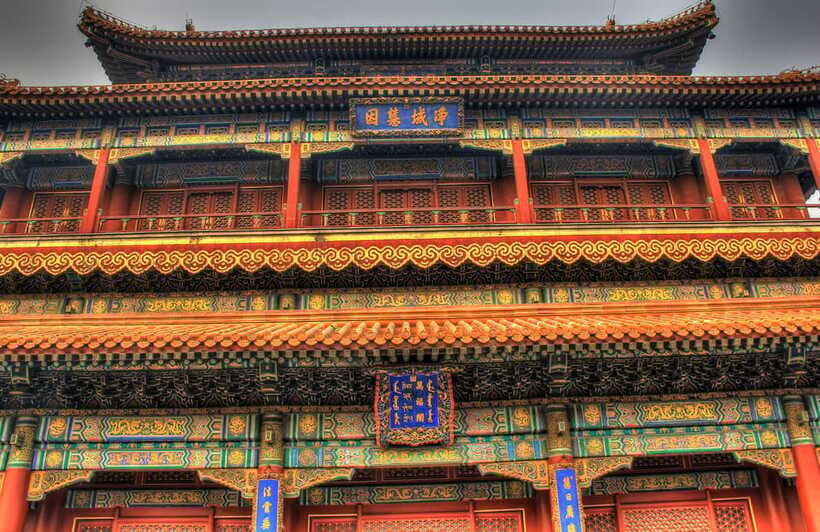
One of the best practical perks of placing the Lama Temple on your route is what’s around it. It’s described as being in a Hutongs neighborhood—those older, alley-style Beijing lanes that often feel like a different city than the big-avenue areas.
That pairing works because it turns your visit into a real half-day experience rather than a single-point stop. Before or after you go inside, you can take a slow street walk through the surrounding lanes and soak up daily life at street level.
If you only have a day, this is still worthwhile. You get the big spiritual centerpiece plus some genuine Beijing texture in the same general area.

Ticket Codes, Queues, and How to Avoid Common Friction
This is the part I’d pay attention to, because the temple itself tends to earn strong satisfaction. The problems people mention are usually not about the temple. They’re about getting into the right place with the right code.
The data includes at least one report of trouble when a ticket code didn’t work as expected, leading to extra time in line and needing to queue again. That’s not something you can fully control—but you can control your preparation.
Here’s what you should do to stay sane:
- Arrive prepared with your booking details (confirmation and any QR/code info, saved offline too).
- Leave a little buffer so a slow entry moment doesn’t wreck your whole day.
- Book at least 24 hours in advance, and double-check any required registration steps before you go.
If you’re the type who hates surprises, you’ll feel better knowing that most visit-day stress can be prevented by clean preparation and a calmer arrival.
Who This Beijing Lama Temple Ticket Fits Best
This ticket works best if you want a major Beijing religious site with standout visual impact and a real sense of living worship.
It’s especially a good match if:
- You care about architecture and sacred sculpture (the Han-Tibetan blend plus the 18m Maitreya are the headline reasons).
- You want a place where incense and chanting are part of the experience, not just a rumor.
- You prefer an easy, one-day plan where you explore at your own pace.
It may feel less comfortable if:
- You’re very sensitive to being around crowds in a place of prayer.
- You expect a quiet, museum-style experience with minimal interaction.
Good news: you can adapt. Choose your time thoughtfully, keep your behavior respectful, and focus on the art and atmosphere rather than treating the temple like a photo race.
Should You Book This Beijing Lama Temple Ticket?
If you’re choosing between skipping it or adding it, I’d lean toward booking—assuming you can go in with patience and respect. For a one-day main entrance ticket around $10, you get access to one of Beijing’s most important Tibetan Buddhist sites, with architecture that blends traditions and a Maitreya Buddha that’s hard to forget.
Book ahead (at least 24 hours) and plan for crowds. If you’re worried about ticket-code issues, come with your confirmation info ready and give yourself time to sort entry smoothly.
If your goal is meaningful culture with a real spiritual atmosphere, this is a strong pick for the money. Just remember: you’re walking into an active place of worship, and treating it that way is the easiest path to a great visit.
FAQ
Where is the Beijing Lama Temple?
It’s in Beijing, in northern China.
What is the Lama Temple also known as?
It’s also known as Yonghe Temple.
How much does the ticket cost?
The price is listed as $10 per person.
How long is the experience?
It’s valid for 1 day.
What does the ticket include?
The included item is the main entrance ticket.
Do I need to book in advance?
Yes. You’re instructed to book at least 24 hours in advance.
Is there free cancellation?
Yes. You can cancel up to 24 hours in advance for a full refund.
Are there starting times?
The ticket is valid for 1 day, and you should check availability to see starting times.
Is it wheelchair accessible?
Yes, it’s listed as wheelchair accessible.
Who provides the experience?
The provider listed is Fun China.