REVIEW · BEIJING
Beijing City Four-hour Bicycle Tour With a Private Guide
Book on Viator →Operated by Encounter China Tours · Bookable on Viator
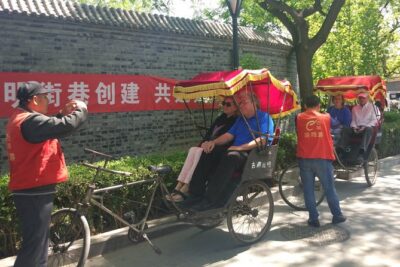
Beijing on a bicycle makes the city feel close. This private 4-hour ride strings together old hutong neighborhoods, major historical squares, and big-city landmarks, all with an English-speaking guide and hotel pickup.
I like how the route mixes practical cycling with real local-life moments, from pausing for drinks in a hutong to watching street games and public dancing. I also like that the bike is ready when you start, using a Beijing Public Rental Bike, so you spend less time fussing and more time seeing. The one drawback to consider: entrance tickets and food aren’t included, so you’ll need a little extra cash and a flexible schedule if you want to go inside any sites.
In This Review
- Key highlights at a glance
- How this private bike tour actually works (and why it’s worth it)
- The ride start: hotel pickup and a bike that’s ready to go
- Second Ring Road to the hutongs: the city’s layers in one pedal stroke
- Wudaoying Hutong and the Lama Temple stop: a calm pause with big atmosphere
- Imperial Academy Street: education history you can actually feel
- Drum and Bell Tower Square: local life right alongside landmark Beijing
- Tobacco-pipe Hutong: street shopping with a playful edge
- Houhai lakeside hutongs: friends, leisure, and the night-life edge
- Jingshan Park viewpoint to Chang’an Avenue: from neighborhood scale to official Beijing
- Ending back at your hotel: why the pacing works
- Price and value: what $140 buys you in Beijing
- Who this tour suits best (and who might want a different format)
- Tips to get more out of your hutong bike day
- Should you book the Beijing City Four-hour Bicycle Tour?
- FAQ
- What time does the hotel pickup happen?
- How long is the Beijing city bicycle tour?
- Is the bike included, and what kind is it?
- Do I need entrance tickets in advance?
- Is food and drinks included?
- Will the route always be exactly the same?
- What does the English-speaking guide do besides guiding?
- What are some of the stops you’ll visit?
- Is there free cancellation?
- Is the tour suitable for most people?
Key highlights at a glance
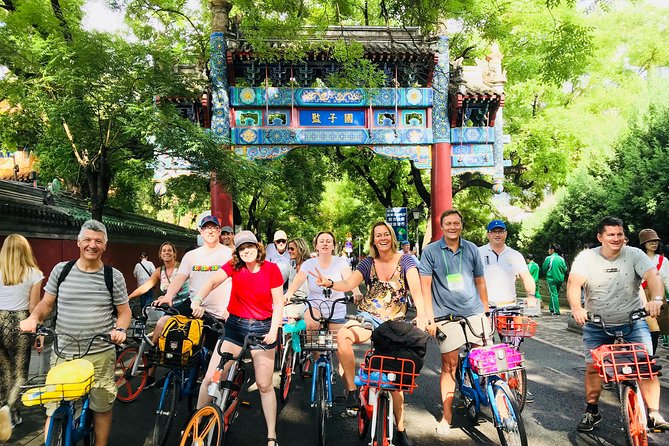
- Hotel pickup at 9am or 2pm means you don’t waste your morning or afternoon figuring out meeting points
- Second Ring Road + historic hutong lanes gives you a fast sense of the city’s layout
- Lama Temple, Imperial Academy Street, Drum & Bell Tower Square pack in landmarks without making the day feel like a race
- Houhai lakeside + Tobacco-pipe Hutongs offer that hang-out vibe and snack-and-shop wandering
- Jingshan Park viewpoint to Chang’an Avenue ties neighborhood Beijing to the big official Beijing sights
- English-speaking guide support can also help with restaurant and ticket planning beyond the ride
How this private bike tour actually works (and why it’s worth it)
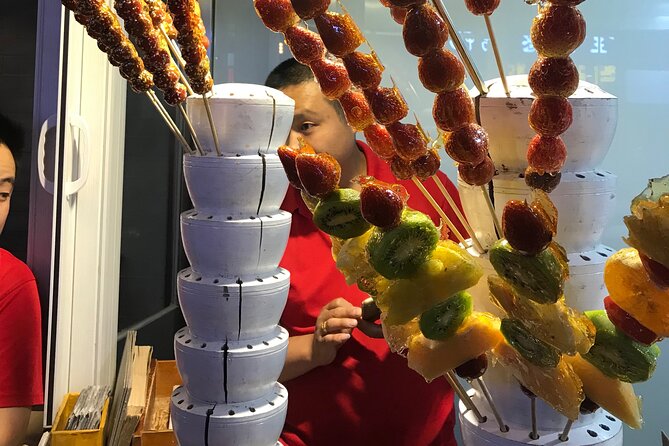
This is a 4-hour private experience built around one clear idea: Beijing is best understood by moving through it. You start with hotel pickup, either 9:00am or 2:00pm, and the cycling begins right in your neighborhood. Your exact route can shift depending on where your hotel sits, which matters because Beijing’s lanes and intersections change fast from district to district.
Once you’re on the road, the focus stays steady: you’ll ride along the city’s Second Ring Road and then peel into older lanes and courtyards. The tour is structured so you’re not stuck in only one style of Beijing—big roads for orientation, hutongs for texture, and landmark areas for context.
You’ll also get regular small breaks. These aren’t just a “rest stop.” They’re timed for the way this city lets you switch modes: ride, walk a bit, look closer, then get back on the bike.
You can also read our reviews of more guided tours in Beijing
The ride start: hotel pickup and a bike that’s ready to go
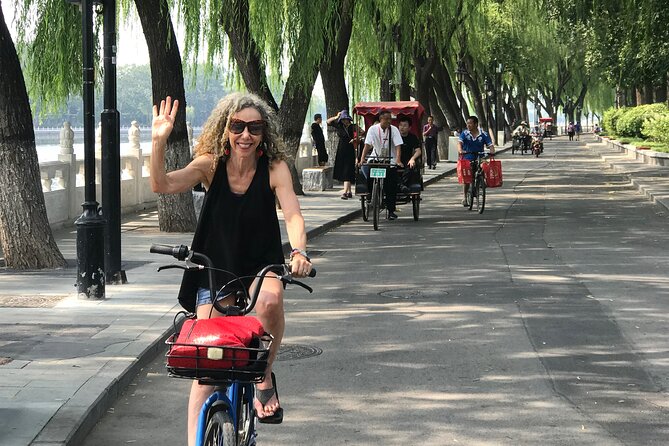
The best part of this tour logistics is that it begins at your hotel and the bicycle is prepared before you set out. That sounds small, but in a city like Beijing it changes how you feel the whole time. You’re not negotiating transit, not waiting around, and not guessing which lane your group will end up in.
You’re on a Beijing Public Rental Bike, which is meant for practical city riding. Expect a bike that does its job—getting you between sights efficiently. If you’re comfortable cycling in traffic-adjacent areas, you’ll be fine. If you’re not, it’s still worth it because the guide can adjust how you ride and where you stop.
One more practical note: since the route may be altered for your hotel location, treat your “tour plan” like a shape, not a fixed GPS line. The core neighborhoods and landmark types are consistent, but the sequence can bend slightly.
Second Ring Road to the hutongs: the city’s layers in one pedal stroke
After pickup, you cycle around the Second Ring Road, described as taking the place of an older city wall route in modern form. Even if you don’t think of it as a wall, it’s a useful framing tool: it shows you where Beijing’s major districts and movement corridors sit today.
Then comes the payoff: you leave the ring and enter the hutong neighborhoods. Hutongs are narrow, older alley areas where daily life runs on small distances—short walks, quick errands, neighbor-to-neighbor chatting. On a bike, you glide in and out of that scale without tiring yourself out the way walking-only tours can.
You’re moving between two kinds of Beijing. Big-road Beijing helps you orient. Hutong Beijing helps you understand the human scale.
Wudaoying Hutong and the Lama Temple stop: a calm pause with big atmosphere
A key early section is the Wudaoying Hutong, where you’ll stop to rest and grab drinks. I like this kind of break early in the tour. It keeps the energy up, and it also gives you a chance to settle into the flow of hutong streets before heading into the busier landmark zones.
From there you visit the Lama Temple area. This stop matters because it anchors the tour in Beijing’s religious and cultural layers, not just its architecture. You get a sense of why this part of the city drew people for centuries—ritual spaces often sit at the center of neighborhood identity.
If you’re a photo person, this is one of your best opportunities. Quiet details in hutongs and temple-area streets can look very different at bicycle speed versus walking speed. The guide pacing helps you see more than a quick drive-by.
Imperial Academy Street: education history you can actually feel
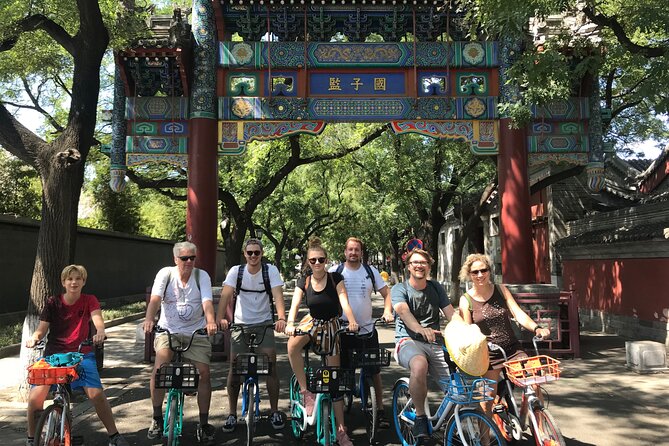
Next comes Imperial Academy Street. Even if you don’t study dynastic history, you’ll get something from the name alone: Beijing has long treated learning as a serious civic force. This stop pairs nicely with the earlier religious setting because it’s another lens on how the city organized power and culture.
What I like here is the balance: you’re not only “seeing sights,” you’re collecting themes. Temple and academy give you two different kinds of Beijing seriousness—spiritual and scholarly.
And because this is a bike tour, you’re not stuck in a long museum-style timeline. You can look, ask questions, and then keep moving before your brain turns to mush.
You can also read our reviews of more city tours in Beijing
Drum and Bell Tower Square: local life right alongside landmark Beijing
After the hutong stretch, you head for the Drum and Bell Tower Square. This is one of the most “public life” zones on the route.
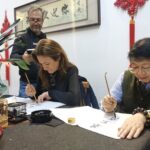
Here you can join or watch what locals are doing—things like ground calligraphy, cricket fighting, and shuttlecock games. Even when you don’t fully understand the details, you can feel the point: this is a square meant for people, not just monuments.
I’d treat this segment as more than a cultural stop. It’s a chance to slow down and observe how locals pass time in a shared space. That’s the kind of real Beijing that doesn’t show up in a quick list of attractions.
Tobacco-pipe Hutong: street shopping with a playful edge
Then you’ll ride to the Tobacco-pipe Hutongs. This is where the tour adds a fun practical twist: knock-off street shopping.
I’m not going to pretend this is “high-end” shopping. It’s more like the Beijing version of wandering an alley market—useful for souvenirs, casual browsing, and seeing how street commerce works in hutong lanes. If you like bartering, bring patience. If you don’t, still browse with low expectations and enjoy the atmosphere.
This is also a good moment for coffee or small breaks if you feel like you need one. The tour is designed so you can pause for photographs and short stops without losing the whole plan.
Houhai lakeside hutongs: friends, leisure, and the night-life edge
From the shopping lanes you head to Houhai lakeside hutongs. This is the part of the tour that shifts from “heritage and squares” toward “people hanging out.”
You’ll get a chance to feel how locals spend leisure time with friends, including bars around the lakeside area. If you’ve only seen Beijing from big-avenue viewpoints, this can be a reality check—in a good way. You see the city after work, not just the city on postcards.
Also, Houhai is a place where the mood matters. It’s not one single attraction. It’s a vibe—walking edges of water, talking in groups, and showing up just to be out.
Jingshan Park viewpoint to Chang’an Avenue: from neighborhood scale to official Beijing
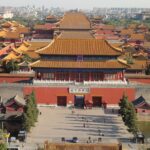
Next up: you bike to Jingshan Park for a panoramic view, then continue toward Chang’an Avenue, including the Chairman’s office area along the boulevard (often thought of as the White House comparison).
This segment is valuable because it changes your mental map. Hutongs teach you “close-up Beijing.” Jingshan and Chang’an teach you “big-picture Beijing.”
From a practical standpoint, this is also where the tour helps you connect the dots. You see the central axes and understand why certain major buildings and institutions matter in Beijing’s layout.
One consideration: if you’re hoping for lots of interior access, the plan here is framed as viewing and moving through landmark areas. You’re likely to be outdoors or in public spaces rather than spending a full day inside buildings. Entrance tickets to specific spots are not included, so decide ahead of time if you want to pay extra to go in.
Ending back at your hotel: why the pacing works
You bike back to your hotel at the end of the ride. That return matters more than you might think. You finish with a clear sense of where you are, and you don’t have to solve transit after a day of cycling.
The whole route—hutong lanes, temple/academy landmark areas, Drum and Bell Tower Square, Houhai lakeside, then the broad avenue viewpoint—keeps the day from feeling repetitive. It’s one reason this tour tends to score well: the mix hits different kinds of interest without stretching the total time beyond what’s realistic.
Price and value: what $140 buys you in Beijing
At $140 per person for about 4 hours with a private guide, the value comes from what’s included and what it prevents.
Included:
- bicycle use (a Beijing Public Rental Bike)
- an English-speaking guide
- help with reservations of tickets and restaurants
That last point is sneaky-useful. If your first day in Beijing feels like a blur of menus, ticket sites, and unclear pickup times, a guide who can help you sort out plans beyond just the ride can save you hours of confusion.
Also included features like pickup and a mobile ticket mean fewer logistics headaches for you.
Not included: entrance tickets, food, and drinks. That’s common on tours like this, but it changes the math. If you plan to go inside places or pay for snacks, you should budget for it.
My bottom line: if you want a high-efficiency, guided hutong + landmark mix without spending half your trip figuring out routes, this price is reasonable. If you only want one neighborhood and don’t care about the landmark context, you may feel it’s more than you need.
Who this tour suits best (and who might want a different format)
This tour fits you best if:
- you want a structured Beijing introduction that still feels local
- you like cycling and want a change from walking-only sightseeing
- you enjoy public squares and street-life moments as much as buildings
- you prefer a private guide who can adapt the route to where you’re staying
It may be less ideal if:
- you strongly prefer interior museum time over outdoor viewing and wandering
- you don’t want to handle entrance fees at all (since they’re not included)
- you’re expecting food and drinks to be provided (they aren’t)
Tips to get more out of your hutong bike day
A few small choices make a big difference in this kind of tour:
- Bring a light layer. Even in short sightseeing windows, Beijing weather can surprise you.
- Plan for your own water/snacks if you get hungry. The tour includes drinks during a hutong rest, but food isn’t included.
- Have your questions ready for the guide. With an English-speaking guide, this tour becomes much more than scenery.
- If shopping interests you, browse with relaxed expectations. The Tobacco-pipe Hutongs stop is more about the alley-market experience than luxury finds.
- Use the square time as a chance to watch closely. Ground calligraphy and small games are easy to miss if you just rush photos.
Should you book the Beijing City Four-hour Bicycle Tour?
Book it if you want a practical, high-value way to see both Beijing’s old-world lanes and its big-axis landmarks in one afternoon or morning. The combination of hotel pickup, a ready-to-ride public rental bike, and an English-speaking guide like Cynthia (who’s specifically praised for making the rest of your stay smoother) makes it an efficient start to a Beijing trip.
Skip it or choose something else if you’re primarily chasing indoor admission-heavy sights or you expect meals to be included. For most people, though, this is a strong way to get your bearings fast—and learn how Beijing life changes street by street.
FAQ
What time does the hotel pickup happen?
Pickup is offered from your hotel either in the morning at 9:00am or in the afternoon at 2:00pm.
How long is the Beijing city bicycle tour?
The tour lasts about 4 hours.
Is the bike included, and what kind is it?
Yes. The tour includes use of a bicycle, using a Beijing Public Rental Bike that is ready before the start.
Do I need entrance tickets in advance?
Entrance tickets are not included. If there are specific places you want to enter, you’ll need to plan for ticket costs separately.
Is food and drinks included?
No. The tour does not include food and drinks, though you may stop during the ride for a rest and drinks.
Will the route always be exactly the same?
The cycling route may be altered depending on your hotel’s location.
What does the English-speaking guide do besides guiding?
The guide provides English-speaking service and can also help with assistance for reservation of tickets and restaurants.
What are some of the stops you’ll visit?
Common stops include the Lama Temple, Imperial Academy Street, Drum and Bell Tower Square, Houhai lakeside hutongs, Tobacco-pipe Hutongs, Jingshan Park, and Chang’an Avenue/Chairman’s office area.
Is there free cancellation?
Yes. You can cancel for a full refund up to 24 hours before the experience starts. If you cancel less than 24 hours before, the amount paid won’t be refunded.
Is the tour suitable for most people?
The information says most travelers can participate, and the tour includes a private guide and manageable stops for photos, coffee breaks, and public activities.