REVIEW · BEIJING
Beijing: Badaling Great Wall Admission Ticket
Book on GetYourGuide →Operated by PANDA144 experience · Bookable on GetYourGuide
One wall, and Beijing feels far away. This Badaling Great Wall admission ticket is a clean way to reach a UNESCO-listed highlight, and I like the combination of steep views and clear on-site history. The trade-off: it is self-guided admission, so you won’t get a tour guide included, and cable cars cost extra.
I also like how the ticket points you to a specific entrance area in the Jundushan pass, so you’re not guessing where to start once you arrive. Plus, you get access to historical exhibits on site, which helps you make sense of what you’re looking at while you walk.
Before you buy, one consideration matters: Badaling runs on two time sessions, and tickets must match your chosen time slot. If you’re the kind of traveler who hates time windows, plan carefully.
In This Review
- Key things I’d circle before you go
- Badaling Great Wall in one admission: what makes it worth a day
- The north Jundushan entrance: where your day actually starts
- Morning (6:30) vs afternoon (12:31): timing that changes your wall day
- Walking the steep Dragon line: what Badaling’s measurements mean
- Ming-era gates and tower details you’ll notice while you walk
- Cable cars are optional: the walk-versus-ropeway choice
- Price and value: getting UNESCO access for about $13
- Seasonal views: Badaling looks different every time of year
- Who this ticket is best for (and who should think twice)
- Before you arrive: the one requirement that can cancel your booking
- Should you book this Badaling Great Wall ticket?
- FAQ
- What do I need to bring for entry?
- Are guided tours included with this ticket?
- How do the morning and afternoon entry sessions work?
- Are cable cars or slideways included in the price?
- Can I get a refund if my plans change?
- What items are not allowed at Badaling?
Key things I’d circle before you go
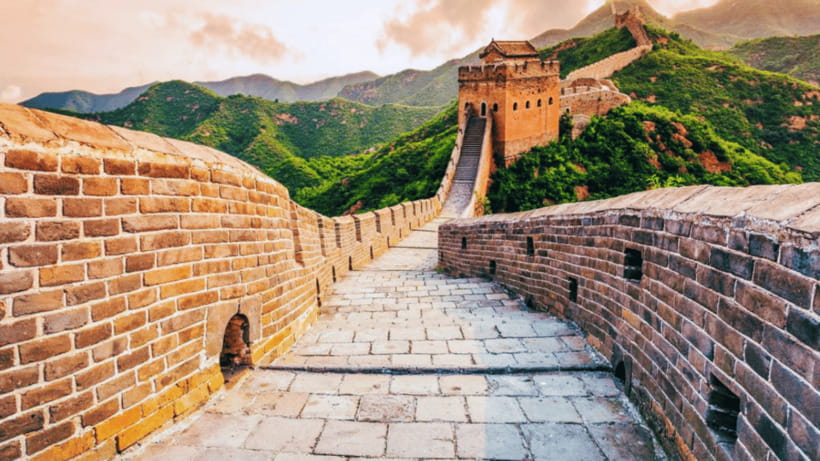
- UNESCO-listed Badaling: a major, scenic slice of the Great Wall
- Two entry sessions: Morning 6:30 AM–12:30 PM and Afternoon 12:31 PM–4:30 PM
- Big steepness math: the wall rises about 127 meters over roughly 1600 meters
- Gates you can actually read: east gate Juyong Outpost, west gate Northern Gate Key
- Optional cable cars only: not included, extra fee applies
- Passport required: you also need your passport name and number to complete booking
Badaling Great Wall in one admission: what makes it worth a day
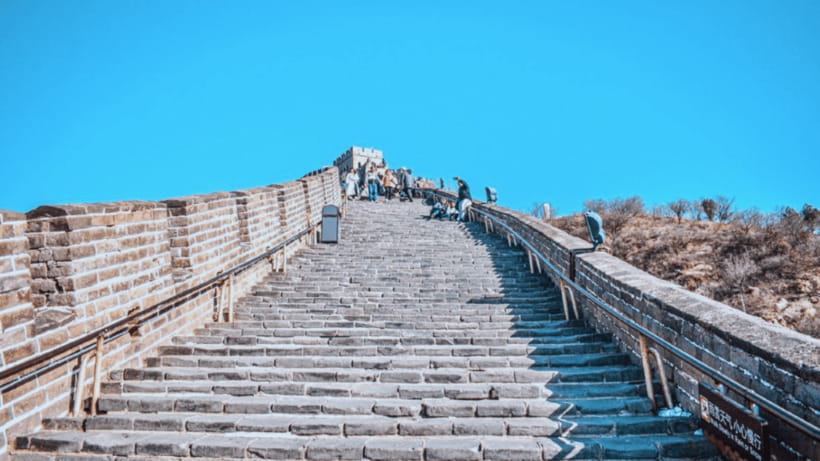
Badaling is one of the most famous Great Wall sections for a reason: it mixes real size with real structure. This isn’t a short photo stop. From the pass area through the wall stretch toward the South Fourth Tower, you’re dealing with serious elevation and mountain terrain that looks rugged in every season.
What I like about buying a straight admission ticket (instead of a full guided day) is that it lets you shape your pace. You can take your time at viewpoints, pause at towers and exhibits, and skip the pressure of keeping up with someone else. If you’re traveling solo or in a small group, this style also keeps the day simpler.
The other win is that Badaling is tied to Ming Dynasty rebuilding and reinforcement. It was constructed in 1505, then reinforced in the Jiajing and Wanli periods. Even if you don’t memorize dates, you can feel it in the design: thick walls, clear gate architecture, and the kind of fortification logic that makes the whole pass-and-outpost idea click.
You can also read our reviews of more tours and experiences in Beijing


The north Jundushan entrance: where your day actually starts
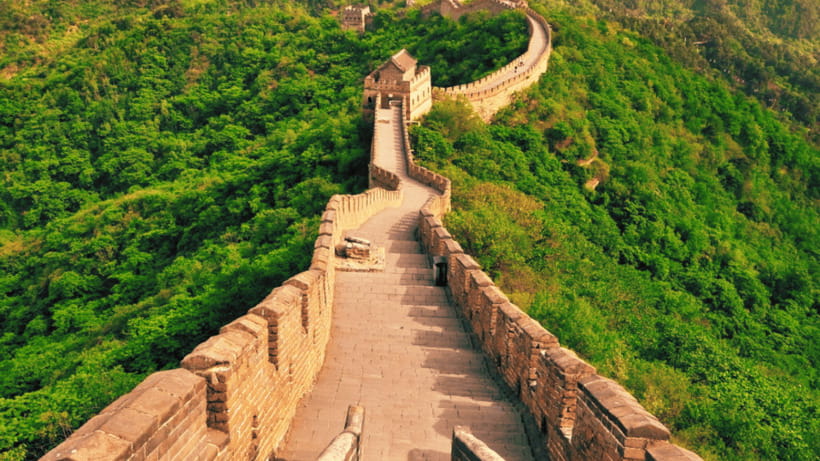
Badaling sits in Yanqing District, Beijing, at the north entrance of the ancient mountain pass called Jundushan. That matters because the Great Wall is a long system. Starting at a specific entrance helps you avoid aimless wandering and helps the day stay focused.
Once you arrive at the designated entrance area, you present your ticket to staff. The ticket includes admission plus access to on-site historical exhibits, so you can treat the site like an open-air museum: walk the wall when you’re ready, then use exhibits to understand what you’re seeing.
One more practical note: this experience is listed as wheelchair accessible. If you need that option, you should still plan for how far you’ll want to go along the terrain and steps, because access doesn’t automatically mean everything is equally easy.
Morning (6:30) vs afternoon (12:31): timing that changes your wall day
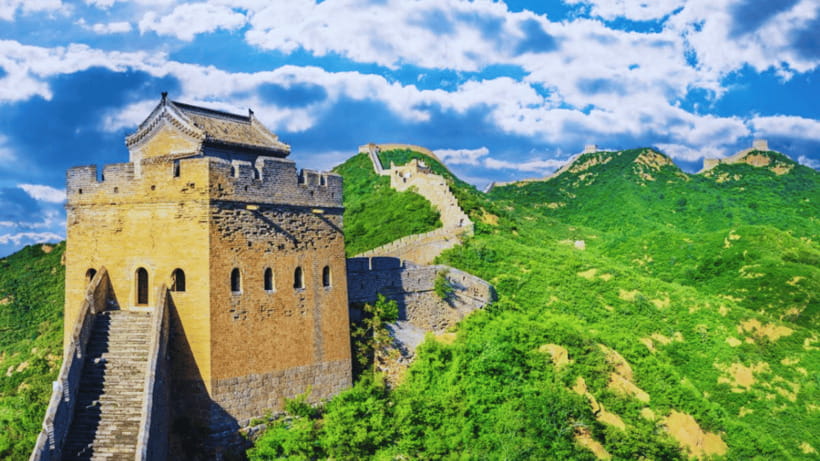
Badaling runs in two sessions:
- Morning: 6:30 AM to 12:30 PM
- Afternoon: 12:31 PM to 4:30 PM
This is not a tiny detail. Your chosen session affects how much daylight you have, how crowded it feels, and how comfortable your walking pace will be. If you want smoother pacing and more time to move between towers and viewpoints, the morning window usually makes more sense. If you’re building your day around late sightseeing plans, the afternoon still works—you just have to accept that you’ll need to move efficiently.
Cable cars follow their own schedules too:
- The northern aerial cableway operates from 6:30 AM
- The southern ground cable car operates from 9:00 AM
So if you’re thinking about mixing walking and cable transport, pick your session with these times in mind. Nothing ruins a Great Wall plan faster than planning to use a cable car at a time it isn’t running.
Walking the steep Dragon line: what Badaling’s measurements mean
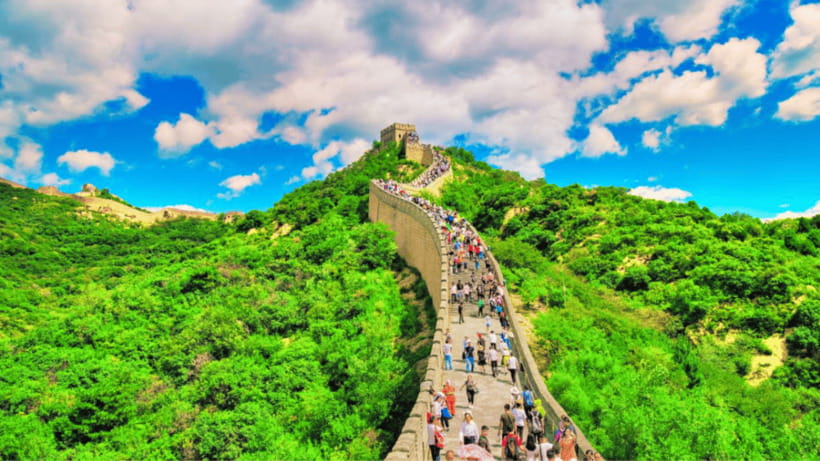
Badaling’s reputation comes from the steepness, and the numbers explain why. The wall is typically about 7.8 meters high, with a base width around 6.5 to 7.5 meters narrowing to 4.5 to 5.8 meters near the top. That narrowing isn’t just design flair—it changes how the wall feels from the ground, especially when you look up along the slope.
From the pass to the South Fourth Tower, the wall stretches over more than 1600 meters and rises about 127 meters in height. The climb rate is often described as: every 6 meters of wall length brings about a 1-meter elevation gain. In plain terms, you’re not dealing with a gentle stroll—you’re dealing with a repeated uphill rhythm.
I actually think this is where a simple admission ticket shines. You choose how far you go. Some people will walk a longer section; others will concentrate on the most scenic stretch and then return. Either way, the wall’s steepness keeps the experience honest. You earn the views because you do the work.
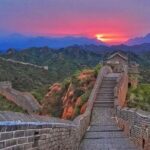
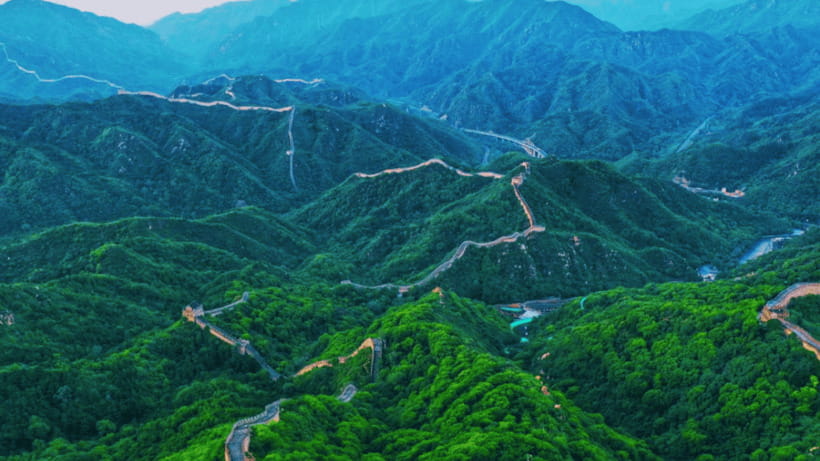
And yes, the wall really does wind across the mountains like a dragon. That phrasing sounds dramatic, but at Badaling it fits: the ridge line and rugged terrain guide the eye as the wall turns, climbs, and disappears around bends.
Ming-era gates and tower details you’ll notice while you walk
Badaling isn’t just a long wall; it’s built as a series of defensive points and transitions. One of the most helpful things to know ahead of time is that Badaling has a trapezoidal structure with east and west gates, plus platforms connecting the wall.
The gate details are easy to spot once you’re there:
- East gate reads Juyong Outpost
- West gate is inscribed Northern Gate Key
Those inscriptions aren’t just decorative. They’re the kind of labels that make the wall feel like a functional network, not only a historic monument. Badaling also served as an outpost of Juyongguan, and it carries the famous saying: the danger of Juyong lies in Badaling. That line sums up the vibe well—Badaling emphasizes the steepness and strategic positioning of the pass.
As you walk, look for how the structure transitions between towers and platforms. You can also use the included exhibits to connect the architecture to what you’re seeing: reinforced sections, the logic of where gates sit, and why the wall’s width and height matter.


Cable cars are optional: the walk-versus-ropeway choice
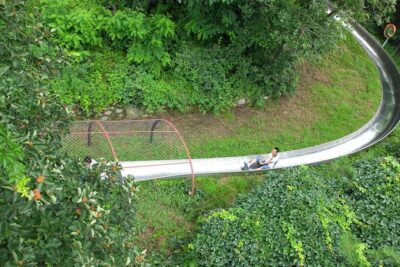
Cable cars exist here for a reason: not everyone wants the full uphill grind. But the ticket you’re buying is admission, so the cable car or slideway usage is not included and requires an extra fee.
If you care about scale, I’d lean toward walking at least part of the way. There’s a simple reason: when you walk, you perceive the wall’s steepness and the spacing of towers in a way you don’t get from a ride. One visitor’s take, backed by common sense, is that the ropeway is available but the scale hits harder when you climb.
That doesn’t mean you must slog the entire length. A smart approach is to mix walking and cable access if you want both viewpoints and stamina-friendly pacing. The key is to plan your route around operating times—especially the southern cable car starting at 9:00 AM.
Price and value: getting UNESCO access for about $13
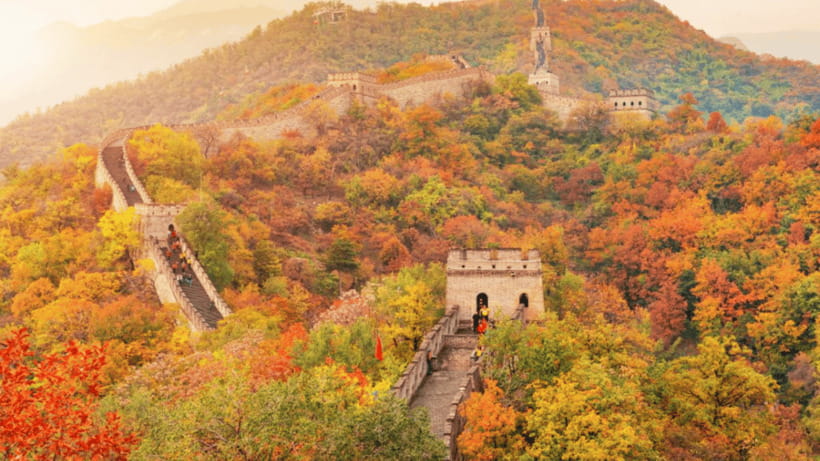
At about $13 per person, you’re paying for the core experience: admission, access to scenic views, and entry to historical exhibits. It’s a value move because you’re not paying for a full guided day package.
What’s not included is also clear:
- Guided tours
- Meals and souvenirs
- Cable car or slideway usage (extra fee required)
So the value is strongest if you’re comfortable doing a self-guided day. If you want someone to interpret architecture scene-by-scene, you’d likely need another add-on or a different type of tour. If you’re happy reading exhibits and using signage, this ticket is a straightforward, cost-effective way to reach one of China’s most iconic wall sections.
Also, getting the logistics right matters more than the price itself. If you’ve ever tried to buy China attraction tickets as a foreign traveler, you know how easily things can get complicated. This option is designed to make the ticketing step smoother—so you can spend your time on the wall instead of troubleshooting.
Seasonal views: Badaling looks different every time of year
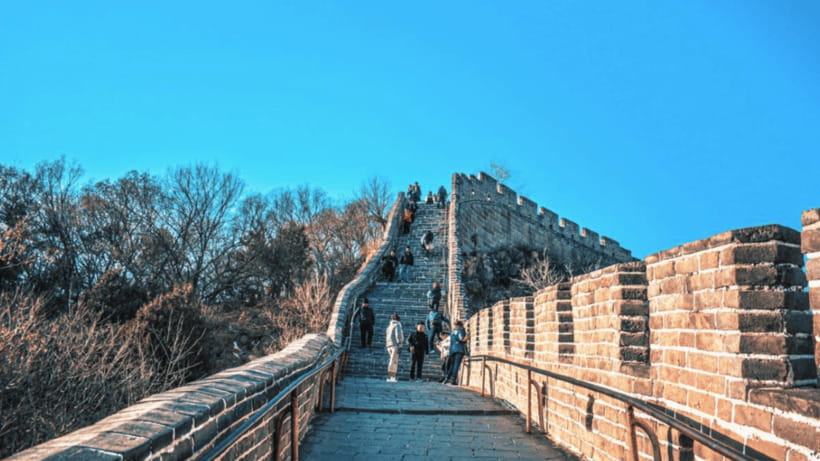
Badaling is a “same wall, new face” kind of place. The scenery changes with the seasons:
- spring: blooming flowers
- summer: lush greenery
- autumn: colorful foliage
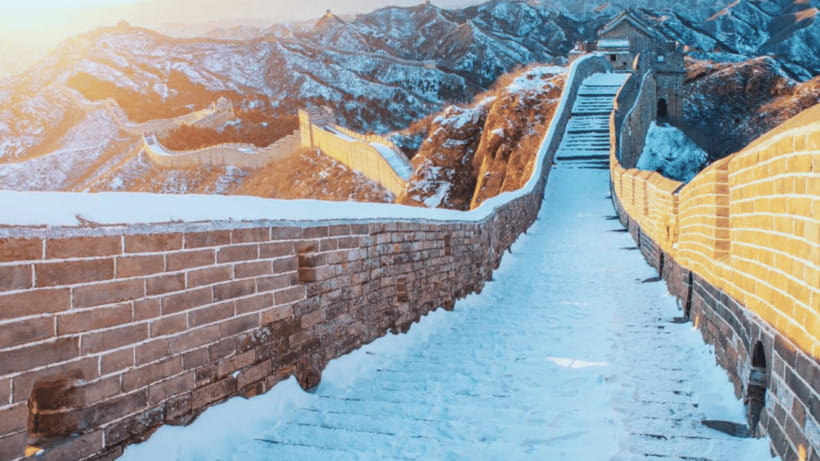
- winter: snow-covered landscapes
Those changes are not just aesthetic. They affect how the wall line reads against the mountains. In winter, for example, the contrast can make the structure feel sharper and more defined. In autumn, the warmth of the hills can make the wall feel like it glows as it snakes across ridges.
If your dates are flexible, consider your travel style. If you love vivid foliage, aim for autumn. If you want quieter, cooler weather and you don’t mind winter conditions, winter can be memorable. If your priority is greenery and classic scenic softness, spring or summer fits better.
Who this ticket is best for (and who should think twice)
This admission ticket works best if you:
- want self-paced sightseeing without booking a guided day
- like historical context but don’t need a live narrator
- are okay planning around the two time sessions
- want to walk at least part of the wall for the scale experience
It may not be the best fit if you:
- strongly prefer a guided experience with interpretation
- want to rely fully on cable cars without thinking about their operating times
- don’t like time windows at all
It’s also worth knowing what’s allowed and what isn’t. Pets are not allowed, and weapons or sharp objects and explosive substances are not allowed either. If you’re bringing anything unusual, keep it simple.
Before you arrive: the one requirement that can cancel your booking
This is the part that can catch people off guard: booking completion requires your full name as it appears on your passport plus your passport number. If that info isn’t received on time, the booking can be canceled and a cancellation fee may apply.
Also note that QR access may not work as expected. The solution is to communicate via WhatsApp or email with the provider or wait for the follow-up email, then complete the confirmation with the passport details they request.
One more timing reality: tickets are not refundable once sold, and you need to select the correct date and time slot. So double-check the session you’re choosing before you lock it in.
Should you book this Badaling Great Wall ticket?
Yes—if you want a high-impact, UNESCO-level Great Wall day and you’re comfortable doing it mostly on your own. The biggest strengths are the value (around $13 for admission plus exhibits), the clear structure of a morning/afternoon entry window, and the sense that walking at Badaling is where the wall’s scale truly lands.
Book it when your schedule can match one of the two sessions and when you’re okay with extra costs if you want cable cars. If you want a guided explanation at every step, you might prefer a different format—but for the right traveler, this ticket is a smart, no-drama way to reach Badaling and make the day count.
FAQ
What do I need to bring for entry?
You need your passport. The booking also requires your full name exactly as it appears on your passport and your passport number.
Are guided tours included with this ticket?
No. Guided tours are not included. You’ll be entering and exploring on your own.
How do the morning and afternoon entry sessions work?
The park operates in two sessions: Morning 6:30 AM to 12:30 PM and Afternoon 12:31 PM to 4:30 PM. You should choose the date and time slot you want.
Are cable cars or slideways included in the price?
No. Cable car or slideway usage is not included and an additional fee is required.
Can I get a refund if my plans change?
You can cancel up to 24 hours in advance for a full refund. Once tickets are sold, they are non-refundable.
What items are not allowed at Badaling?
Pets are not allowed. Weapons or sharp objects and explosive substances are also not allowed.