Beijing to Shanghai with classic stops is a smart way to see China. This 10-day route strings together imperial Beijing, Qin-era Xi’an, lakeside Hangzhou, and Shanghai’s riverfront, with guided visits and high-speed train hops keeping things smooth.
I like two big things about this tour. First, you get major sights without endless planning, like Temple of Heaven, the Forbidden City, and the Badaling Great Wall. Second, the trip is built for convenience: guided experiences plus meals almost every day, so you’re not constantly hunting for food between landmarks.
One possible drawback: the itinerary is packed, and the train days mean you’ll keep moving on a schedule—even if you want slower time in each city.
In This Review
- Key things that make this tour work
- Beijing to Shanghai: the value of the high-speed train rhythm
- Day 1-3 Beijing: Forbidden power, Tiananmen weight, and Badaling views
- Temple of Heaven, Tiananmen Square, and the Palace Museum
- Wangfujing Street for dinner and easy people-watching
- Badaling Great Wall and Olympic Park
- Day 4-6 Xi’an: Terracotta Warriors shock and the city-wall viewpoint
- Terracotta Warriors: the main event
- Lishan Beacon and the Huaqing Hot Springs area
- Xi’an City Wall: the best way to see the city shape
- Muslim Quarter: food as culture, not an afterthought
- Grand Tang Dynasty Ever Bright City
- Day 7-8 Hangzhou and tea time, then Shanghai skyline night
- West Lake: the calm center of Hangzhou
- Hefang Street: history in everyday motion
- Longjing tea fields: tea culture with real scenery
- Oriental Pearl Tower and Shanghai’s iconic skyline
- Huangpu River cruise: a night plan that pays off
- Day 9 Shanghai classics: French Concession charm, Old City temples, and the Bund
- Wukang Road and Sinan Mansions
- Nanjing Road: the big shopping boulevard
- Chenghuang Miao (Yuyuan Garden area): Taoist temple time
- The Bund: old and new in one frame
- Hotels, meals, and guided pacing: why this feels easier than DIY
- Price check: is $1,588 good value?
- Who this tour fits best (and who should skip it)
- Should you book this 10-day tour of Beijing, Xi’an, Hangzhou and Shanghai?
- FAQ
- What is the duration of this tour?
- How much does it cost per person?
- Which cities are included?
- Are meals included?
- Is airport pickup or transfer included?
- Where does the tour start and when?
- Is admission included for the main sights?
- When will I receive confirmation after booking?
- What is the cancellation deadline for a full refund?
Key things that make this tour work
- High-speed train routing: you connect cities fast, instead of wasting days on long transfers
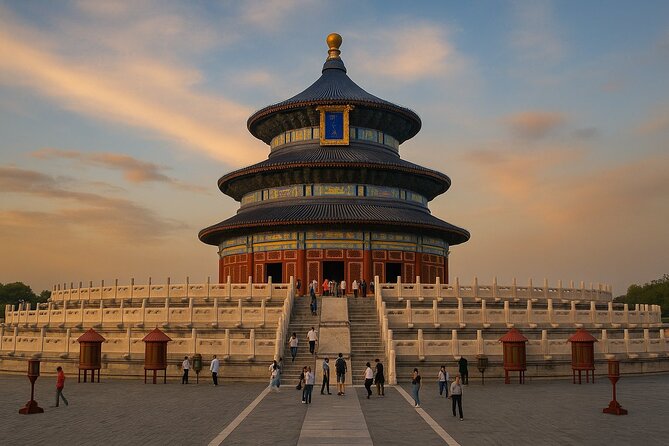
- Big landmark coverage in Beijing: Temple of Heaven, Tiananmen Square, Forbidden City, and Badaling Great Wall
- Terracotta Warriors + Qin legends: you pair the main attraction with a scenic Qin-era site like Lishan Beacon
- Hangzhou calm, then Shanghai lights: West Lake and Longjing tea fields balance the city pace
- Shanghai waterfront at night: the Huangpu River cruise pairs old Bund views with Pudong skyline
- Service that aims to reduce stress: customer feedback calls out responsive help from consultants and smooth airport transfers
Beijing to Shanghai: the value of the high-speed train rhythm
The smartest part of this tour is the pacing. You’re not just checking off famous names—you’re moving between cities in a way that makes the itinerary realistic: short, efficient train transfers replace slower travel that can eat your days.
That rhythm matters for your energy. Beijing-heavy days come with walking, crowds, and museum time. Then you reset with a train day to Xi’an. After Xi’an’s historic hits, you take another high-speed train to Hangzhou, where the mood shifts to gentler scenery and tea culture. Finally, Shanghai brings you back to urban scale, with a river cruise and classic neighborhoods.
You’ll also feel the “guided” part. The route is designed so you arrive at the next stop with less confusion: where to go, what to focus on, and how to connect sights in a sensible order. This isn’t the kind of trip where you need to be a navigation wizard.
You can also read our reviews of more tours and experiences in Beijing.
Day 1-3 Beijing: Forbidden power, Tiananmen weight, and Badaling views
Beijing starts the moment you land. On Day 1, you’re met at Beijing Capital International Airport and transferred to your hotel for check-in. After that, you get a relaxed evening to settle in and recover from travel—small detail, big deal.
Temple of Heaven, Tiananmen Square, and the Palace Museum
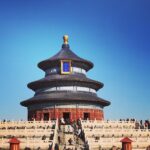
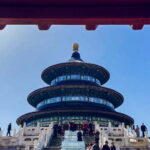
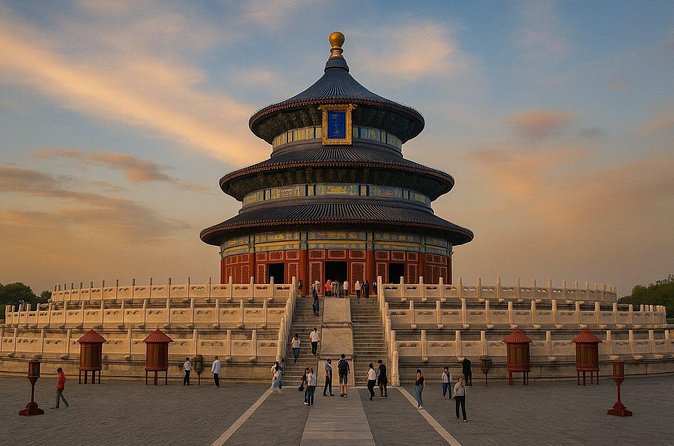
Day 2 is built around three heavy hitters, in a good flow. The Temple of Heaven gives you a calmer start. It’s a great place to understand how ancient Chinese rulers used architecture and symbolism to connect the heavens and earth. If you like places where you can watch locals do tai chi while you take in the layout, this is your kind of morning.
Then you hit Tiananmen Square. It’s massive, and the scale is the point. You’ll also be surrounded by the landmarks that shape modern political memory, so expect a strong, serious atmosphere rather than a casual sightseeing vibe.
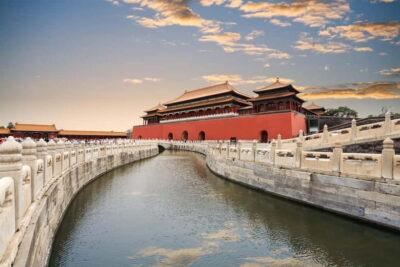
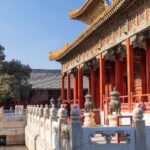
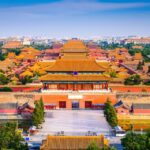
From there, the Palace Museum (Forbidden City) is the “wow, it’s huge” moment. The palace complex is all about imperial layout—courts, halls, and courtyards designed for power and ceremony. The time you spend here tends to stick because the architecture is so controlled. Even if you’ve read about it, seeing it in person changes how it feels.
Wangfujing Street for dinner and easy people-watching
Later, Wangfujing Street gives you a contrast. It’s a major shopping and dining area, with a mix of old-style street life and modern city energy. You can treat this as your built-in dinner plan and a chance to stretch your legs without worrying about finding the next stop.
Badaling Great Wall and Olympic Park
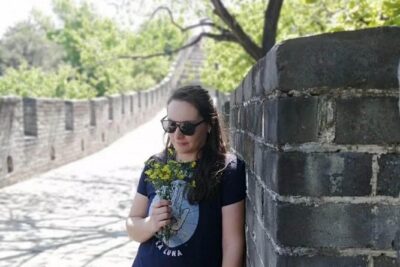
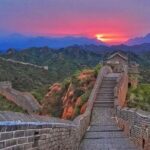
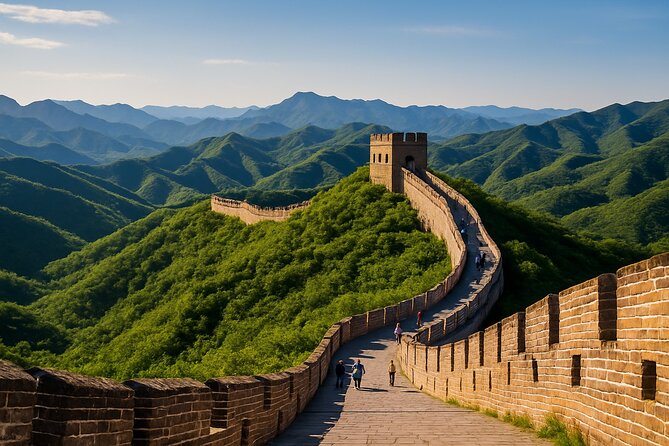
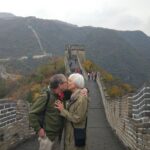
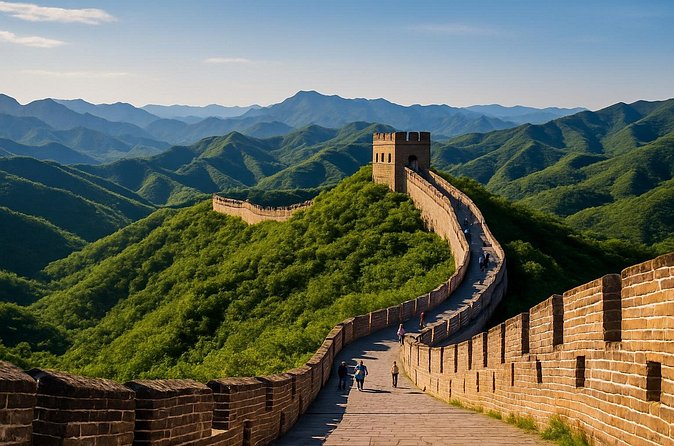
Day 3 is for the kind of views you remember later. The Great Wall at Badaling is one of the most accessible sections, and that matters if you want your time on the wall rather than stuck in logistics. You’ll spend about three hours at the site, which is enough for a meaningful walk, not just a quick photo stop.
You’ll likely see why Badaling is so popular: stone towers, steep sections, and long mountain lines. If you prefer less crowd pressure, your best bet is to start early within the day’s schedule and keep your expectations realistic.
Then you finish with Beijing’s Olympic Park. You get a break from ancient stuff and step into China’s modern architectural ambition. It’s a photogenic stretch, and it works well as a cooldown after the Great Wall climb.
Day 4-6 Xi’an: Terracotta Warriors shock and the city-wall viewpoint
If Beijing is all about scale and symbolism, Xi’an leans into storytelling through artifacts. Day 4 is a transition day. After breakfast, you take a high-speed bullet train to Xi’an (about 5–6 hours). That travel time is long enough to be real, but short enough that you still get an afternoon in the city.
Terracotta Warriors: the main event
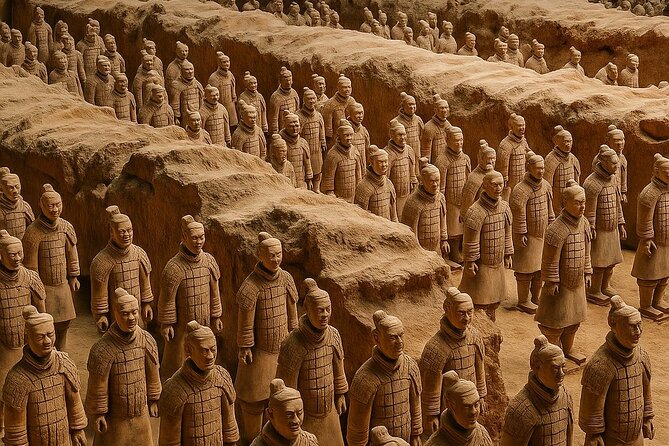
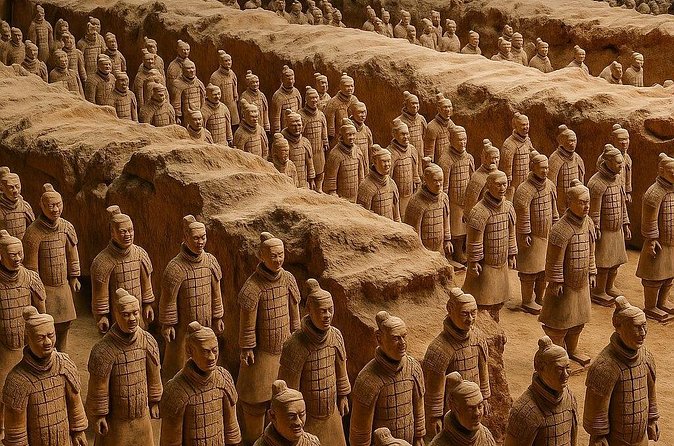
On Day 5, you go straight to the Terracotta Warriors. Expect the classic jaw-drop effect. The big draw here isn’t just that there are thousands of figures—it’s the sense of an organized army you can walk through. You get around two hours, which is a good window to see the variety without feeling rushed beyond your attention span.
Lishan Beacon and the Huaqing Hot Springs area
You pair that with Lishan Beacon, a scenic and historic site tied to the Qin Dynasty. It’s a smart pairing because it takes you from underground history to a landscape-and-legend viewpoint. You also get the connection to Huaqing Hot Springs, a place that shows how myths, rulers, and real geography overlap in this part of China.
Xi’an City Wall: the best way to see the city shape
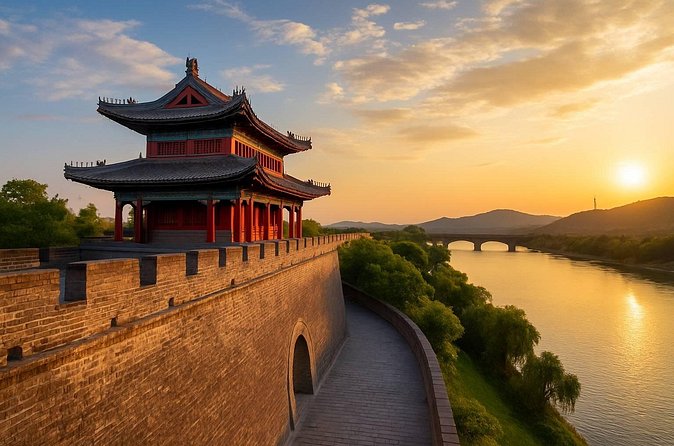
Day 6 is one of my favorite formats because it’s built for perspective. You start with the Xi’an City Wall, about 14 kilometers around the old city. Even if you only spend time walking certain sections, being on the wall gives you a clear sense of old-city planning. If you like photos where you’re looking out, not just standing in front of buildings, this helps.
Then you climb up into viewpoint territory again with the Bell Tower. It’s a Ming Dynasty structure, and you get the option to go up for broad views. From a timing standpoint, tower stops like this help break up the day and give you a different angle.
After that, you visit the Drum Tower (Gulou), with bronze drums and a feel for local performances. It’s also another upper-level look at the city, plus a chance to understand Xi’an’s sound and ritual side, not only its relics.
Muslim Quarter: food as culture, not an afterthought
Finally, you end Day 6 in the Muslim Quarter. This is where the day becomes more sensory. The main value isn’t just snacks—it’s the atmosphere of historic alleys and street commerce. You can focus on local favorites like lamb skewers and roujiamo if you want easy tasting options.
Grand Tang Dynasty Ever Bright City
To close the day, you visit the Grand Tang Dynasty Ever Bright City area, which uses lights and performances to recreate Tang Dynasty splendor. It’s a fun contrast to the serious tones of temples and warriors, and it gives you a different kind of culture connection—more spectacle, less museum.
Day 7-8 Hangzhou and tea time, then Shanghai skyline night
Hangzhou begins with another transfer. Day 7 starts after breakfast, then you take a high-speed train to Hangzhou (about 7 hours). Again, it’s a realistic way to switch gears without losing an entire day to slow travel.
West Lake: the calm center of Hangzhou
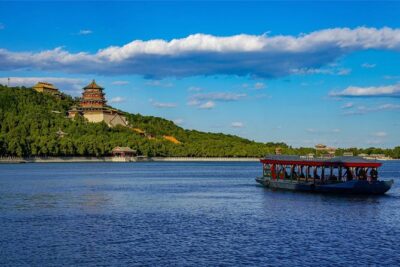
You spend time at West Lake (Xi Hu) on Day 7. West Lake is UNESCO-listed, and the big value here is how it blends culture and scenery—pagodas, temples, and that gentle sense of walkable beauty. You’ll also get a short, efficient visit window (about an hour listed), so it works best if you keep a light plan: pick a key view, take photos, and enjoy the atmosphere rather than trying to cover everything.
Hefang Street: history in everyday motion
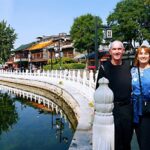
After West Lake, Hefang Street gives you local flavor. It’s a pedestrian street with architecture dating back to the Southern Song Dynasty era, with preserved older-style buildings. It’s a good place to snack and browse, and it helps you experience Hangzhou as more than a postcard.
Longjing tea fields: tea culture with real scenery
Day 8 moves into Longjing tea fields. This is where the trip feels more grounded in daily life. Longjing (Dragon Well) tea is known for its quality, and the terrace-style plantations west of West Lake give you a quiet, scenic pause from the city. You get about an hour, which is enough to enjoy the views and learn the basics without turning it into a full-day farming tour.
Oriental Pearl Tower and Shanghai’s iconic skyline
Then you fly from calm into skyline. You visit the Oriental Pearl Tower in Pudong. It’s a 468-meter landmark with the distinctive sphere design. You’ll likely notice how quickly Shanghai shifts mood here—this is modern China at full volume.
Huangpu River cruise: a night plan that pays off
The day ends with a Huangpu River cruise, listed at one hour. This is one of the most practical ways to see Shanghai’s scale without walking yourself into exhaustion. You get the skyline view between the historic Bund and the futuristic towers of Pudong, and the timing is ideal for turning on the city lights.
Day 9 Shanghai classics: French Concession charm, Old City temples, and the Bund
Day 9 is for a well-rounded Shanghai day: charming streets, elegant villas, shopping boulevard energy, and historic temple sights, topped off with the signature waterfront.
Wukang Road and Sinan Mansions
You start with Wukang Road, a tree-lined street in Shanghai’s French Concession area. This stop is all about atmosphere—historic mansions, cafés, and a calmer pace than the busiest shopping zones.
Then you visit the Sinan Mansions, a restored enclave of 1920s garden villas. It’s the kind of place that’s easiest to enjoy when you slow down. Even with only about an hour listed, you get the point: European-style architecture with Shanghai’s own flavor.
Nanjing Road: the big shopping boulevard
Next comes Nanjing Lu (Nanjing Road). It’s a long shopping boulevard, stretching from the Bund toward areas like Jing’an Temple. You’ll get a sense of Shanghai’s modern retail energy here. Don’t expect it to be quiet; expect it to be a main artery of the city.
Chenghuang Miao (Yuyuan Garden area): Taoist temple time
You then visit Chenghuang Miao, also known as the Temple of the Town God near the Old City. It’s a Taoist temple with ornate architecture and spiritual significance. This is a nice counterweight to the commercial streets, giving you a break that feels grounded and older.
The Bund: old and new in one frame
You end with the Bund along the Huangpu River. The value is in the contrast: colonial-era buildings on one side, Pudong’s modern skyline across the water. This is the stop you’ll want to linger at if the weather cooperates and if you’re not too tired from walking earlier in the day.
Hotels, meals, and guided pacing: why this feels easier than DIY
The overview mentions 4-star hotels and guided experiences throughout, plus conveniences like pickup offered and mobile ticket use. Even without knowing every exact hotel name, this structure matters because it reduces decision fatigue.
Meals are another big help. You’re not on your own every day: the tour includes breakfasts (9), lunches (7), and dinners (7). That’s a lot of built-in structure for a multi-city route, and it helps you keep energy up for long sightseeing windows. I also like that your food plan is spread across the trip; it’s not just one city where you get full coverage.
The service side shows up in customer feedback too. In reviews, consultants and support staff are praised for being responsive, and at least one family received a practical diet reminder card for diabetes plus a small gift. That doesn’t mean every traveler will get the same item, but it tells you the company pays attention to comfort and follow-through—not only schedules.
One more thing: high-speed trains plus guided transfers usually mean fewer “where do we stand?” moments. You spend more of your day looking at sights, not solving logistics.
Price check: is $1,588 good value?
At $1,588 per person, this is priced like a full-service, multi-city package. For a value check, I compare what would be hardest to DIY:
- Multiple major cities across China in one trip
- High-speed train segments instead of slow buses
- Guided visits at top sites like the Forbidden City and Terracotta Warriors
- Admission tickets included for a long list of stops
- A lot of meals covered, which lowers day-to-day costs and stress
If you try to stitch this together alone, you’ll spend time juggling train reservations, hotel locations, and ticket timing. You’ll also likely pay more for convenience. Here, the package wraps those parts together.
It still may not be the best value for you if you hate set schedules. But if you want a strong “greatest hits” itinerary with less planning burden, the price starts to look fair.
Who this tour fits best (and who should skip it)
This tour fits best if you want classic China in a reasonable amount of time. You’ll enjoy it most if you like:
- Big landmarks and guided context
- A mix of ancient and modern city scenes
- Scenic breaks like West Lake and Longjing tea fields
- Practical support from guides and transfers
You might consider a different style of trip if you:
- Want lots of free time in each city to explore off-route
- Prefer fewer daily stops and slower mornings
- Strongly dislike crowd-heavy icons like the Forbidden City or the Great Wall
Should you book this 10-day tour of Beijing, Xi’an, Hangzhou and Shanghai?
If your goal is to see the headline sites and still keep your brain cool, I’d say yes. The itinerary hits the best-known anchors—Badaling Great Wall, Terracotta Warriors, West Lake, and the Bund—then fills in with neighborhoods and perspectives that make the cities feel connected.
Book it especially if you like guided structure and want meals and logistics handled for you. If you’re the type who gets restless with a schedule, do your homework and be ready to treat this as a well-run sprint, not a slow wander.
Overall: it’s a solid way to experience four major destinations without turning your trip into a part-time planner job.
FAQ
What is the duration of this tour?
The tour is listed as 10 days (approx.).
How much does it cost per person?
The price is $1,588.00 per person.
Which cities are included?
The route covers Beijing, Xi’an, Hangzhou, and Shanghai.
Are meals included?
Yes. Breakfast is included for 9 days, and lunch and dinner are included for 7 days each.
Is airport pickup or transfer included?
Yes. The tour includes pickup/transfer at the start, and on the last day you transfer to Pudong International Airport.
Where does the tour start and when?
It starts at Capital Airport Shunyi, Beijing 101300 China, with a start time of 8:00 am.
Is admission included for the main sights?
Many key sights are marked as admission included, including Temple of Heaven, Tiananmen Square, Palace Museum, Badaling Great Wall, Terracotta Warriors, West Lake, Longjing tea fields, and the Huangpu River cruise. Some attractions are listed as free entry.
When will I receive confirmation after booking?
Confirmation is received within 48 hours of booking, subject to availability.
What is the cancellation deadline for a full refund?
You can cancel up to 6 days in advance for a full refund.