REVIEW · BEIJING
Traditional Chinese Tea Ceremony Experience
Book on Viator →Operated by Hutong Calligraphy Class · Bookable on Viator
Tea teaches manners, not just flavor. This Beijing session is built around a real tea master demonstration and a calm, respectful ritual where you taste multiple tea styles—not a rushed drink-and-go stop. I like that you get five mini cups (easy to sample a range) and that the host explains each step with care, like warming the teapot and pouring with intention. One thing to consider: there is no separate tour guide, and you should plan for any tea purchases afterward to be at your own expense.
You’ll also like the practical side: the ticket is mobile, the group is small (max 15), and the whole experience runs about 30 minutes. Afterward, the team walks you back to the meeting spot or to Jianguomen Subway station, so you are not stuck figuring out your way out.
In This Review
- Key highlights in plain English
- Tea ceremony basics: what this 30 minutes is really for
- Finding your way: Jian Nei Da Jie and the Chang An Grand Theater area
- Meet the tea master: what you should expect from the instruction
- The tea lineup: Oolong, Pu-erh, green, jasmine, and flower tea
- The ritual steps: warming, pouring, smelling, tasting
- Price and value at $9.90: what you get for a small budget
- Small group pacing: how max 15 changes the experience
- Who this is best for in Beijing
- Taking tea home: optional, but worth thinking through
- Should you book this Beijing tea ceremony?
- FAQ
- How long is the Traditional Chinese Tea Ceremony Experience?
- What is included in the $9.90 price?
- Are there shopping stops included in the tour?
- Is there a tour guide included?
- What kinds of tea will I taste?
- Where do I meet for the ceremony?
- Where does the experience end?
- Is the ticket mobile?
- What is the cancellation window?
Key highlights in plain English
- Tea master-led ritual that focuses on respect, harmony, and mindfulness, not just tasting
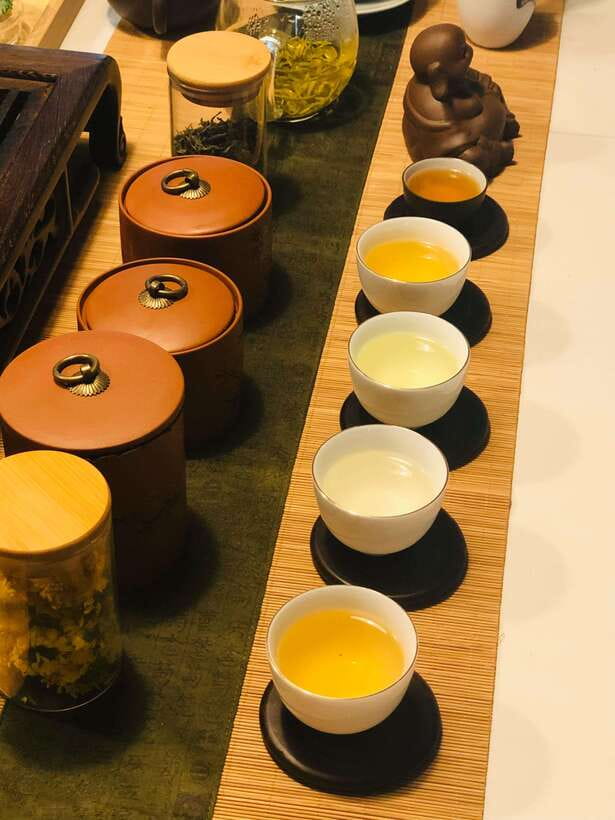
- Five mini cups so you can compare different teas without committing to one
- Classic tea styles included such as oolong, pu-erh, green, jasmine, and flower tea
- Small group size (maximum 15) that keeps the pace comfortable
- No tour guide on this option, so the instruction is handled by the tea team
- Optional take-home tea you can buy only if you want
Tea ceremony basics: what this 30 minutes is really for
A Chinese tea ceremony in Beijing is not mainly about drinking. It is about learning how to slow down and notice tea like a food and a craft. In this experience, you participate in a heritage ritual where the tea master models each action, and you taste while the lesson is happening.
What makes it worth your time is the structure. You see the brewing and you experience the sensory parts—smell first, then taste—so you start picking up the tiny differences that make each tea style feel distinct. You also get a small set of tastings (the five mini cups), which is a smart way to explore without turning it into a long event.
A tea ceremony also tends to work for more than one kind of traveler. If you like culture-by-doing, this fits. If you are traveling with kids, it can still feel playful because there is something happening at every step: watching the pour, smelling the aroma, and then trying a new tea.
You can also read our reviews of more tours and experiences in Beijing.


Finding your way: Jian Nei Da Jie and the Chang An Grand Theater area
Your start point is Jian Nei Da Jie (Jiannei Avenue), in Dongcheng District. The activity also lists Chang An Grand Theater as a stop, so expect the meetup to be in that general area. The good news: it is near public transportation, so you do not need to build your whole day around a complicated route.
Bring your mobile ticket and arrive a few minutes early. Even with a small group, tea ceremonies run on timing—warming, pouring, tasting—so being late can throw off your sequence.
At the end, you do not just get dropped. The tea master manager walks you back to the meeting point or to Jianguomen Subway station, which is handy if you want to keep moving or meet someone else nearby.
Practical tip: if you are combining this with other Beijing sights, treat it as a short reset stop. It is only about 30 minutes, so it pairs well with a tight itinerary.
Meet the tea master: what you should expect from the instruction
This is a tea master-led experience, and there is no tour guide included as a separate role. That matters. You should expect explanations and pacing to come from the tea team itself, not from a third person delivering a long lecture.
The upside is direct, focused teaching. When the same person is demonstrating and translating the ideas behind the steps, you get fewer awkward pauses and more chances to understand what you are doing. It also helps the ceremony feel personal, especially in a group with a maximum of 15 people.
From the way the experience is described, the mood is intentional: respect, harmony, and mindfulness are not just words in the marketing copy. You will see it in the careful order of actions, like warming the teapot before pouring. That kind of rhythm is what makes tea ceremonies feel different from ordinary tastings.
One more expectation to set upfront: you are participating in a ritual. That means you should treat the room with a little quiet attention. If you approach it like a casual sip bar, you may miss the point.
The tea lineup: Oolong, Pu-erh, green, jasmine, and flower tea
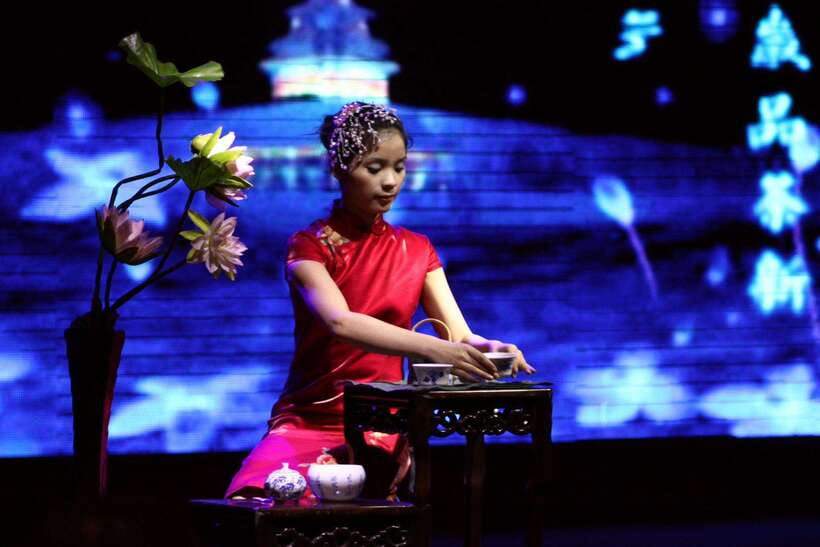
The highlight for most people is the variety. You will taste several tea types, including oolong, pu-erh, green tea, jasmine tea, and flower tea. The five mini cups are designed for comparison, so you can notice differences across flavor, aroma, and mouthfeel.
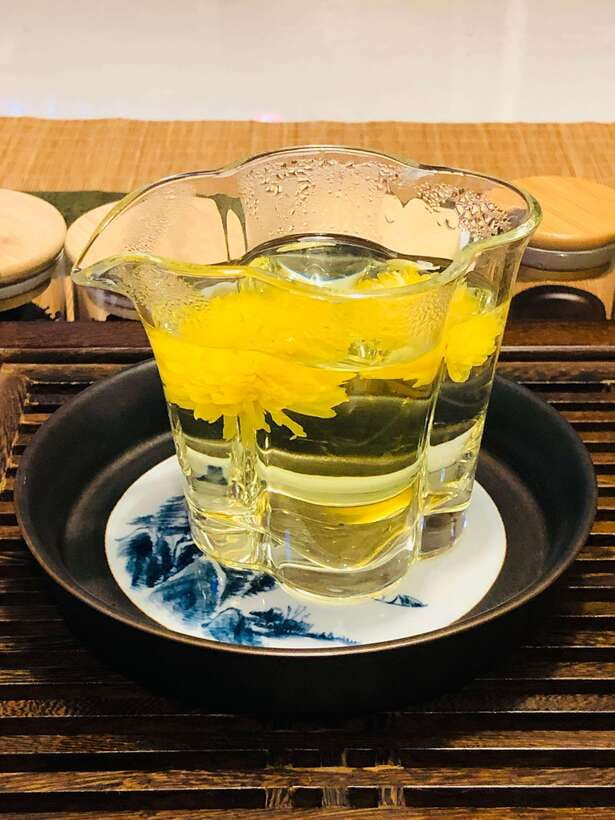
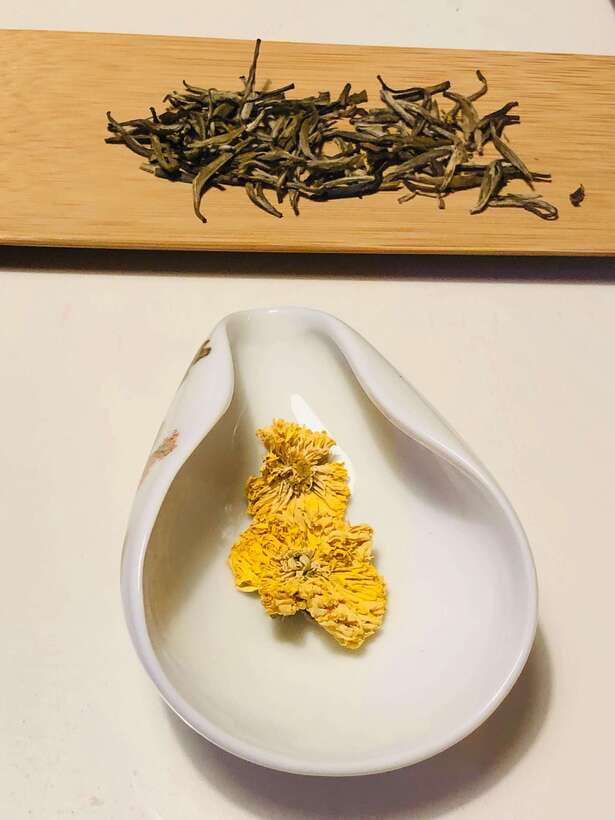
Here is why this lineup is so useful: these teas do not all taste similar, even when brewed in a similar way. Oolong often gives you a balance of aroma and body. Pu-erh tends to feel deeper and more earthy. Green tea usually has a cleaner, fresher profile. Jasmine tea adds a floral aroma layered on top of tea leaves. Flower tea introduces a different kind of fragrance and visual character.
Mini cups help you learn faster. You can sample without overcommitting, and you can also compare while your senses are still fresh. If you are new to Chinese tea, this is the easiest way to build a baseline for what you like.
If you already have strong preferences, you can use the tastings to identify what you want to repeat later. And if you end up loving one style, the tea purchase option afterward can make sense.
The ritual steps: warming, pouring, smelling, tasting
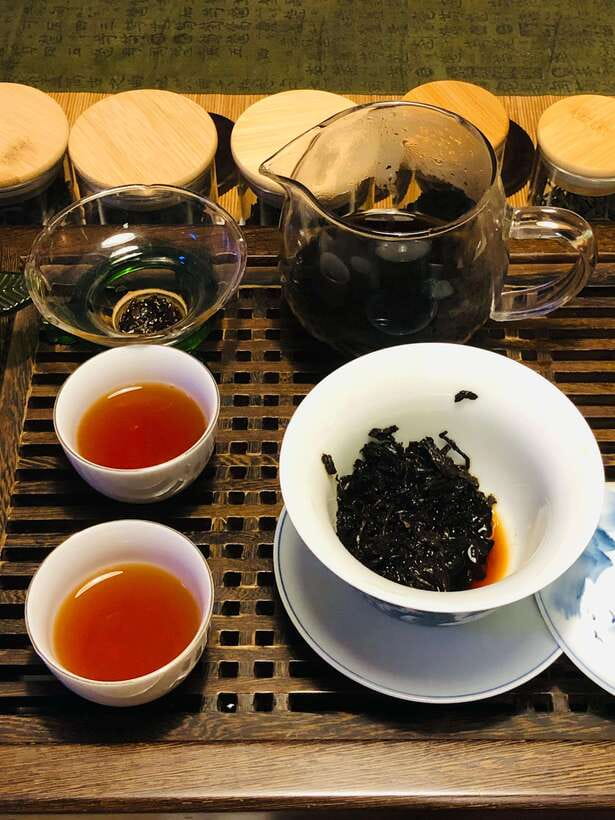
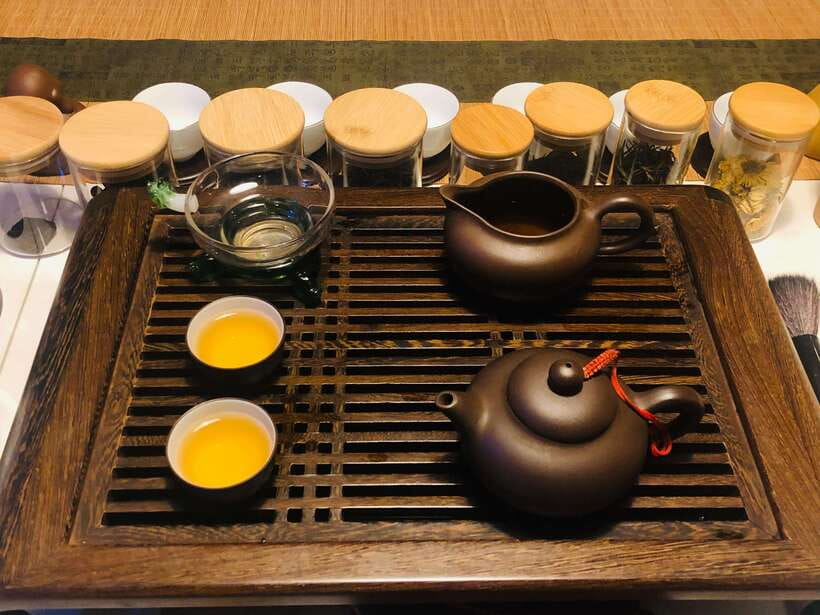
The ceremony is described as a step-by-step ritual where each action is performed with intention. Expect to see the logic behind the order: the teapot is warmed, tea is poured carefully, and the experience guides your attention from sight to smell to taste.
That sequence matters more than most people realize. Tea aroma often comes through before flavor fully hits your tongue. When you smell first, you train your brain to separate fragrance notes from tasting notes. Then, when you taste, you interpret the flavor with better context.
I also like how the process makes you slow down. Instead of drinking tea while scrolling your phone, you give your senses a moment. This is where the values of respect and mindfulness show up. You are not being asked to meditate. You are just being asked to pay attention.
And because this is a short session, the steps stay focused. You are not getting a day-long master class. You are getting the practical core: how to experience tea properly in a structured way.


Price and value at $9.90: what you get for a small budget
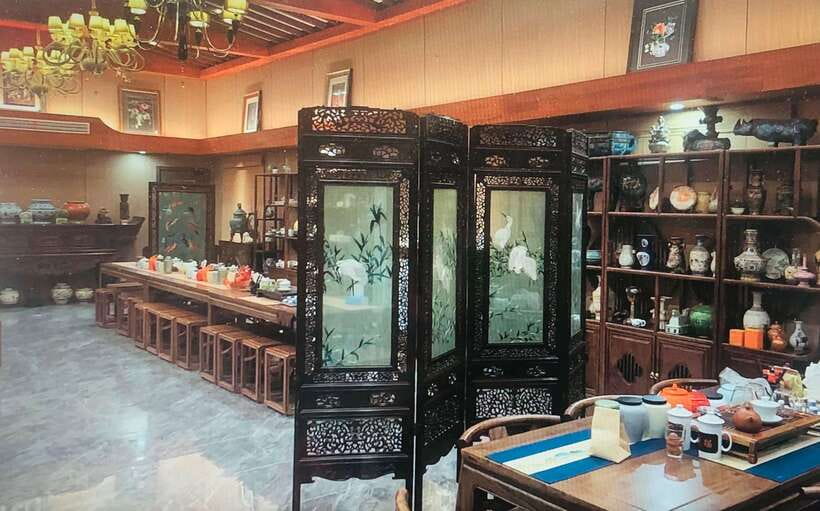
At $9.90 per person, this is priced like a cultural experience, not a long guided tour. The value comes from what is included:
- The tea ceremony
- Five mini cups of tea
No tour guide is included, so you are not paying for a separate guide service. Also, there is no mention of shopping being part of the package, and the pricing does not require you to buy anything.
So where does the value land for you? If you want to sample multiple tea styles with instruction in a short time, this checks the right boxes. It is also a good choice if you are watching costs while still wanting something that feels authentically Chinese rather than standard sightseeing.
One consideration: after the ceremony, you can purchase tea, but that is at your own expense. This option can be a positive if you want souvenirs that are actually useful. If you do not, just remember you are not required to buy anything.
Small group pacing: how max 15 changes the experience
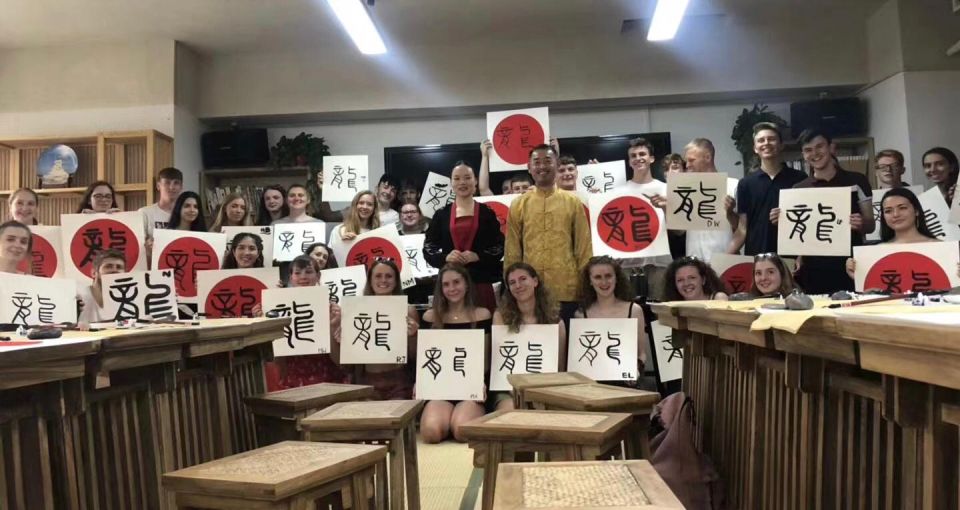
A maximum of 15 travelers keeps the ceremony from becoming a performance for a crowd. In a small group, the tea master can manage the pace without rushing you. You are more likely to feel like a participant than an observer.
This matters if you are traveling with kids. The ceremony is described as fun and interesting for both adults and children, and small-group pacing helps keep attention from wandering. Instead of waiting for your turn, you stay engaged through the tasting and the step-by-step demonstration.
It also tends to be helpful if you are traveling solo. You get interaction and guidance without needing to navigate a bigger group dynamic.
If you dislike structured activities, this is still relatively easy to handle because it lasts about 30 minutes. It feels like a focused workshop rather than a half-day commitment.
Who this is best for in Beijing
This tea ceremony option is a strong fit if you want an authentic cultural activity without spending most of your day on it. It is also a good pick if you like hands-on learning, because you are not only hearing about tea—you are smelling and tasting as the tea master demonstrates.
You should seriously consider it if:
- You have limited time in Beijing and want something meaningful in about 30 minutes
- You want to try multiple Chinese tea types without hunting down different shops
- You are traveling with kids and want a calm, educational activity
- You want a short, low-stress cultural moment near public transportation
You may want to think twice if you specifically expect a full guided tour experience with a separate tour guide for history and context. Since no tour guide is included, the session is more focused on the ceremony itself than on broader sightseeing storytelling.
Taking tea home: optional, but worth thinking through
After the tea ceremony, you have the option to purchase tea to take home and share. This is at your own expense, so it is not part of your included value. But it can be a smart souvenir if you want something edible and personal rather than another generic travel item.
If you decide to buy, your best approach is simple: only pick teas you genuinely liked during the tastings. Since you sampled a range—oolong, pu-erh, green, jasmine, and flower tea—you are in a position to choose based on your own taste.
Also, think about practicality. Tea is compact and easy to pack, and it is fun to recreate the ceremony at home with friends. Even if you do not remember every step perfectly, you will likely remember what you enjoyed and why.
Should you book this Beijing tea ceremony?
Yes, I think you should book it if you want an authentic cultural experience that is short, structured, and centered on real tasting. The combination of a tea master ritual, five mini cups, and a small group (max 15) makes it a good value at $9.90—especially when you want something more meaningful than a typical shop visit.
Skip it or look for an alternative if you need a separate English-speaking tour guide for lots of history and sightseeing narration. This one is about the ceremony itself, guided by the tea team, and that focus is exactly why it works so well when you want tea done properly.
If you are flexible with timing, booking is straightforward since you receive confirmation at the time of booking and you get a mobile ticket.
FAQ
How long is the Traditional Chinese Tea Ceremony Experience?
It runs for about 30 minutes.
What is included in the $9.90 price?
The experience includes the tea ceremony and 5 mini cups of tea.
Are there shopping stops included in the tour?
No shopping expenses are included. You can purchase tea after the ceremony at your own expense.
Is there a tour guide included?
No. There is no tour guide included; the tea ceremony is led by the tea master team.
What kinds of tea will I taste?
You will taste multiple teas, including oolong, pu-erh, green tea, jasmine tea, and flower tea.
Where do I meet for the ceremony?
You start at Jiannei Avenue (Jian Nei Da Jie, Dongcheng Qu, Beijing).
Where does the experience end?
It ends back at the meeting point. The tea master manager also walks you back to the meeting point or to Jianguomen Subway station.
Is the ticket mobile?
Yes, the experience uses a mobile ticket.
What is the cancellation window?
You can cancel for a full refund up to 24 hours before the experience’s start time (local time).