REVIEW · BEIJING
Private China Tour to Beijing, Xi’an, Zhangjiajie and Shanghai
Book on Viator →Operated by Travel China Guide · Bookable on Viator
A trip across four Chinese legends in 11 days can be intense. This private route lines up Beijing’s major classics, Xi’an’s Terracotta Warriors, and the Avatar-style scenery of Zhangjiajie, then finishes with Shanghai’s waterfront views. The trade-off: it’s a full schedule with lots of transfers and walking, so it’s not a “slow and scenic” pace (and it’s not suitable for people over 80).
I really like how this tour keeps your time focused. You get professional guide + experienced driver coordination and a smooth chain of airport, train, and flight handoffs, plus many key admissions handled so you’re not stuck ticket-chasing all day. If you prefer totally flexible, you might find the structure a bit tight, especially on days like the Great Wall and the mountain parks.
In This Review
- Key highlights you’ll feel right away
- Price and value: $2,999 for 11 days that try to reduce stress
- Beijing airport meet-up: the “first win” day
- Tiananmen Square, Forbidden City, and Hutongs by rickshaw
- Badaling Great Wall and Ming Tombs: the “wow” day with structure
- Summer Palace to Xi’an: a change of scenery with less travel pain
- Xi’an: Terracotta Warriors, Small Goose Pagoda, and a real snack neighborhood
- Han Yang Ling (Jingdi) and the Xi’an-to-Zhangjiajie flight jump
- Zhangjiajie National Forest Park: Bailong Elevator and Avatar floating mountains
- Golden Whip Brook and the Grand Canyon of Zhangjiajie: scenery with walking time
- Tianmen Mountain and 999 stairs: choose how tough you want it
- Shanghai in a day-and-a-half: Yu Garden, river cruise, the Bund, and Tianzifang
- Day 11 departure: keep travel-day margins
- Should you book this private tour?
- FAQ
- What’s the meeting point and start time?
- How are airport transfers handled in Beijing and later cities?
- Are domestic flights included?
- What meals are included?
- Are attraction tickets included?
- Is a vegetarian option available?
- Is this tour suitable for older travelers?
- If I cancel, will I get a refund?
Key highlights you’ll feel right away
- Private guide and vehicle across every city (your group only)
- Ticket support and mobile tickets for many major sights
- Badaling Great Wall + Ming Tomb Sacred Way in one focused day
- Terracotta Warriors museum plus Xi’an’s Muslim Quarter snack time
- Bailong Elevator, Golden Whip Brook, and Tianmen Mountain in Zhangjiajie
- Huangpu River cruise and the Bund alongside Yu Garden and Tianzifang
Price and value: $2,999 for 11 days that try to reduce stress
At $2,999 per person for an 11-day private tour, the value really depends on what you hate. If you don’t want to plan trains, hunt down entry tickets, and solve transportation puzzles between cities, this kind of package starts to make sense fast. You also get hotel stays based on twin-sharing, plus breakfast (10 times), lunch (6 times), and two bottled waters per day.
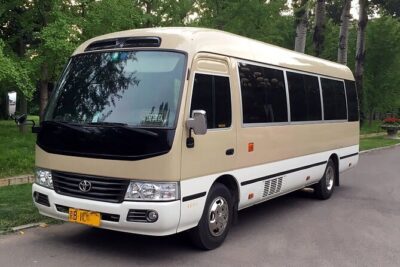
The other money-saver is that a few big jumps are handled for you. You’re included for one-way economy-class domestic flights between Xi’an → Zhangjiajie → Shanghai, and you also take a high-speed train from Beijing to Xi’an as part of the flow. Add a professional guide and air-conditioned vehicle to that mix, and you’re mostly paying for time saved.
One cost note to plan for: international airfare isn’t included, and gratuities are recommended but not included. Also, the tour can’t be changed once booked, so you’ll want to be sure before you commit.
You can also read our reviews of more private tours in Beijing
Beijing airport meet-up: the “first win” day
Your first morning is designed to start clean. After you clear customs and reclaim your luggage at Beijing Capital Airport (Shunyi), your guide meets you and your driver takes you to the hotel and helps with check-in.
This matters because Beijing can feel chaotic when you’re tired. The tour sets you up with a comfortable vehicle right away, and you begin with a plan instead of a scramble to figure out transport.
Tiananmen Square, Forbidden City, and Hutongs by rickshaw
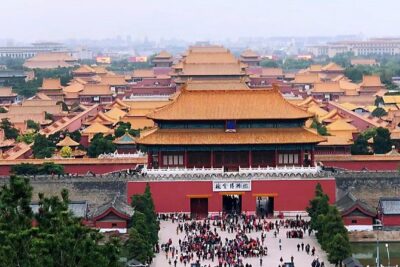
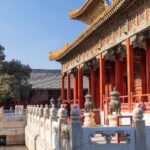
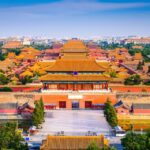
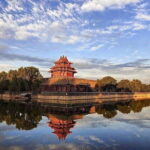
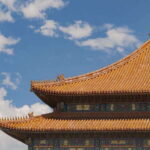
Beijing Day 2 is built around three different flavors of old power and everyday life. You start at Tiananmen Square, then move straight into the Forbidden City (Palace Museum), where the scale alone hits you. Expect a guided walk through the halls and pavilions tied to how emperors ran the state.
After that, you get a totally different mood in the Hutong tour area around Shichahai. A rickshaw ride (about 40 minutes) takes you through traditional alleyways so you see the geometry of Beijing neighborhoods, not just big-ticket monuments.
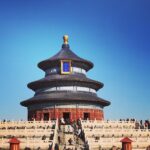
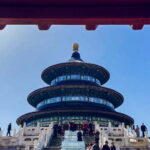
Then you end with a calmer, symbolic site: the Temple of Heaven. It was used by emperors to worship the God of Heaven in the Ming and Qing dynasties, and it gives you a nice contrast to the Forbidden City’s political focus. The main drawback here is pacing—Day 2 stacks a lot into one long day, so wear shoes that can handle museum floors and outdoor time.
Badaling Great Wall and Ming Tombs: the “wow” day with structure
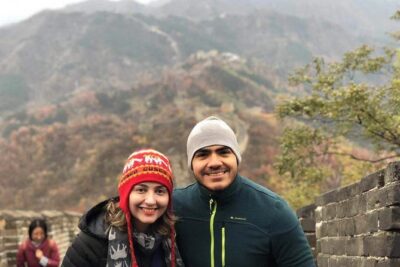
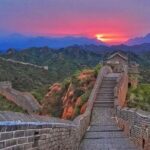
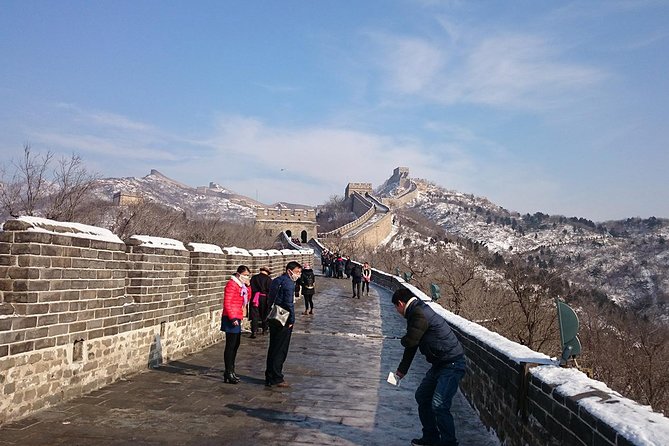
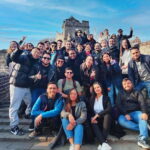
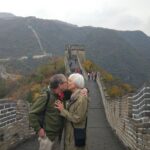
Day 3 is one of the biggest hitters. You go to the Great Wall at Badaling, which is famous for a reason: long stretches of wall line the horizon, and the views feel immediate once you’re on it. The Wall is the kind of stop where a guide helps you avoid dead time and keeps your visit efficient.
Next comes Ming Tombs, focusing on the Sacred Way and Dingling Tomb. This is where the visit turns from scenic to historical in a more grounded way—you’re not just looking up, you’re walking through the spine of Ming imperial geography.
You also get a quick photo pass at the Bird’s Nest National Stadium on the way back. It’s short and ticket-free, so it’s more about a few pictures than a full stop. If you love architecture, keep your camera ready; otherwise, don’t burn too much time getting “the perfect shot.”
Summer Palace to Xi’an: a change of scenery with less travel pain
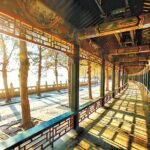
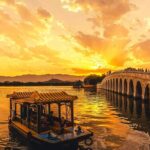
Day 4 starts with the Summer Palace (Yiheyuan), and it’s a great palate cleanser after forts and emperors. This is the largest existing imperial garden, with big constructions and landscaped views that feel like a whole world of water and paths.
Then you shift cities with a high-speed train to Xi’an. That’s a smart choice here: it keeps you from losing half your day to slower transfers, and once you arrive, your Xi’an guide and driver take you from the station to your hotel.
One practical consideration: hotel check-in usually lands later than you expect on train days. If you’re picky about unpacking and freshening up, plan for a rushed evening.
Xi’an: Terracotta Warriors, Small Goose Pagoda, and a real snack neighborhood
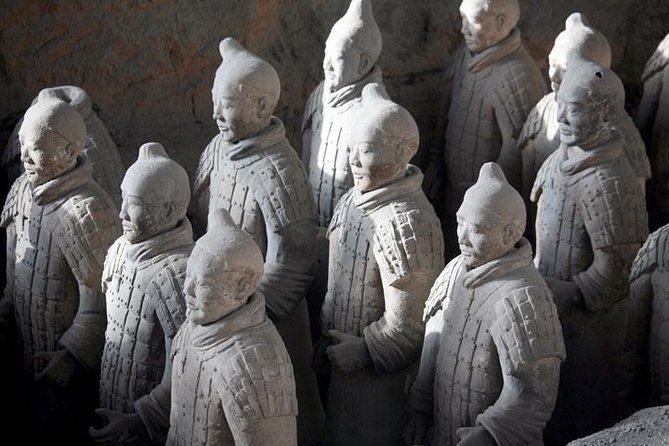
If you’re going to Xi’an, the Terracotta Warriors are the reason. Day 5 is built around the Museum of Qin Terra-cotta Warriors and Horses, including three excavated pits and ancient weapon displays. Even with a guide, you’ll feel how much work went into creating these figures—this is not a quick look-and-leave attraction.
After lunch time (included), you visit the Small Wild Goose Pagoda and the adjacent Xi’an Museum. The pagoda is a brick structure that’s still standing, and it gives you a different historical lens than the warriors.
Then you move into the more human side of Xi’an on Day 6. You start with the City Wall area, including City Wall Park for a look at daily local life and then the wall itself, which is one of the best “walkable history” experiences in town. After that, you go to the Great Mosque of Xi’an for its Islamic architectural features.
Finally, you get time in Muslim Quarter with a snack tour at a popular restaurant plus free strolling time. This is where the tour turns from monuments to lived culture—just be ready for lots of options and the temptation to eat your way through a shopping street.
Han Yang Ling (Jingdi) and the Xi’an-to-Zhangjiajie flight jump
Day 6 doesn’t just stop at food and walls. In the afternoon, you visit Han Yang Ling, also called the Yangling Mausoleum of Han Dynasty, connected to Emperor Jingdi. What makes it different is that the excavation areas are a key part of the experience, so you’re not only viewing artifacts—you’re seeing the site logic.
Then comes the practical handoff to nature country. Your guide and driver escort you to the airport for the flight to Zhangjiajie, where you’re transferred straight to your hotel after arrival. In a long itinerary like this, the ability to keep going without figuring logistics yourself is a big part of the value.
Zhangjiajie National Forest Park: Bailong Elevator and Avatar floating mountains
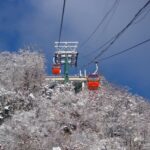
Zhangjiajie is where this tour earns its reputation for spectacle. On Day 7, you visit Zhangjiajie National Forest Park and take the Bailong Elevator up to the Yuanjiajie Scenic Area. You’ll hear the connection to the film world too—the Southern Sky Column is described as a shooting spot inspiration for the Avatar floating mountains.
This is the kind of day where photos can never fully explain what you’re seeing. The guide’s job matters here: it helps you stay in the right viewing areas without wandering into the wrong trails when you’re tired and surrounded by similar-looking peaks.
The day runs long (it’s marked as a full day), and the main “watch-out” is your stamina. Even if it’s scenic, you’ll likely spend hours moving between viewpoints.
Golden Whip Brook and the Grand Canyon of Zhangjiajie: scenery with walking time
Day 8 is split between big views and a more active hike. You start at the Grand Canyon of Zhangjiajie, which the itinerary frames as a composite mix of mountains, caves, and water. It feels like a nature museum in terms of variety—just expect you’ll want to pause often to take in scale.
Then you head into Golden Whip Brook, entering from the east gate and taking a scenic car partway before a hike. The walk is about 7.5 kilometers, described as a relaxed hike along the best section of the stream. That’s helpful: you’re not facing a scramble hike all day, but you still need shoes with grip.
If your legs are already tired from Zhangjiajie Day 7, treat Day 8 as your “pay attention to pace” day. Bring water and plan for short breaks so the afternoon doesn’t feel like a grind.
Tianmen Mountain and 999 stairs: choose how tough you want it
Day 9 is for height and drama. You go to Tianmen Mountain National Forest Park, where the name connects to the Tianmen Cave. If you feel energetic, you can attempt the well-known 999 stairs—but the tour wording makes it clear it’s optional.
This matters because not everyone wants the same challenge level. Even if you skip the stairs, you still get the mountain park experience, and the guide helps you keep the day organized so you’re not waiting around.
That same evening, you fly to Shanghai, where your Shanghai guide and driver take you to the hotel. It’s a quick turn, so don’t plan any intense sightseeing the moment you land. Use the evening to reset and let the next day start fresh.
Shanghai in a day-and-a-half: Yu Garden, river cruise, the Bund, and Tianzifang
Shanghai Day 10 balances old and new so you don’t only get skyline views. You start at the Shanghai Urban Planning Exhibition Hall, which shows how Shanghai grew from a small fishing village into a modern metropolis. It’s a great warm-up because it gives you context before you go outside.
Then you visit Yu Garden (Yuyuan), plus time around Yuyuan Bazaar just outside the garden. This is classic design and a very recognizable slice of traditional Shanghai atmosphere.
After that, it’s straight to water with a Huangpu River cruise. You’ll see buildings that mix Chinese and Western architectural styles, and you get the Bund area in motion rather than only from streets.
You’ll also have free time at the Bund (Wai Tan) and a final culture stop at Tianzifang, a cultural street in older lanes. It’s a good way to end: you get a few hours that feel less scheduled, and you can decide how hard you want to shop or wander.
Day 11 departure: keep travel-day margins
Your final day is simple: check out, get your belongings ready, and your driver and guide escort you to catch your homeward flight. Since your Shanghai tour ends right at departure time, it’s worth packing so you’re not digging through luggage right before the transfer.
This is also a good day to confirm your flight details ahead of time so the last handoff feels calm.
Should you book this private tour?
Book it if you want a guided, tightly organized China route that hits the big names: Great Wall (Badaling), Forbidden City, Terracotta Warriors, Avatar-style Zhangjiajie peaks, and Shanghai’s Bund. It’s especially good value if you’d rather pay for planning than spend your trip solving logistics.
Skip it (or at least think hard) if you hate a packed pace, want full freedom to choose every stop, or need a low-walking itinerary. Also keep in mind the tour isn’t suitable for people over 80, and Zhangjiajie days include significant movement and optional climbs.
FAQ
What’s the meeting point and start time?
The tour meets at Capital Airport Shunyi, Beijing (101300 China) with a 9:00 am start time.
How are airport transfers handled in Beijing and later cities?
In Beijing, your local guide meets you after you reclaim luggage and clear customs, and a driver transports you to your hotel. The itinerary also includes guide and driver handoffs for train and flight transfers in the other cities.
Are domestic flights included?
Yes. The tour includes one-way economy-class airfare for the flights between Xi’an/Zhangjiajie/Shanghai as part of the route.
What meals are included?
The package includes breakfast (10 times) and lunch (6 times), plus two bottled waters per person per day.
Are attraction tickets included?
Many key admissions are included in the itinerary (for example, the Forbidden City, Great Wall at Badaling, Terracotta Warriors museum, and major Shanghai sights). Some stops are explicitly listed as not requiring admission tickets, like the Bird’s Nest photo pass.
Is a vegetarian option available?
Yes. A vegetarian option is available, but you need to advise at the time of booking.
Is this tour suitable for older travelers?
The tour is not suitable for people over 80 years old, based on the tour’s stated limitations.
If I cancel, will I get a refund?
No. The experience is non-refundable and cannot be changed for any reason. If you cancel or ask for an amendment, the amount paid will not be refunded.