REVIEW · BEIJING
Old Beijing Dinner Tour
Book on Viator →Operated by UnTour Food Tours · Bookable on Viator
Dinner in Beijing hutongs changes your whole night.
I love the small-group pace and the fact that you eat local, family-run food in neighborhoods you are unlikely to find on your own. You’ll also get insider guidance as you walk narrow alleys, so the experience feels like part sightseeing and part real dinner with stories.
The one thing to plan for: this is serious eating. You’ll likely have multiple tastings plus drinks, so wear comfy shoes and don’t start the hotpot too aggressively unless you want to be full for the rest of the evening.
In This Review
- Key Points to Know Before You Go
- Where the Night Starts: Beixinqiao Station at 7:00pm
- Hutong Walking Is the Main Event, Not Just the Way There
- The Dinner Flow: How the Tastings Build Into One Big Meal
- What You Learn While You Eat (And Why It’s Worth Paying For)
- Beer Pairing and the Nuoyan Rice Wine Stop
- Ghost Street at the End: A Snack Street That Lets You Browse
- Price and Value: Why $75 Usually Feels Fair Here
- Who This Dinner Tour Is Best For
- Should You Book This Old Beijing Dinner Tour?
Key Points to Know Before You Go
- Small-group format (8 standard, up to 12) keeps conversation easy and the pace relaxed
- Hutong walking route takes you off main streets into real neighborhood lanes
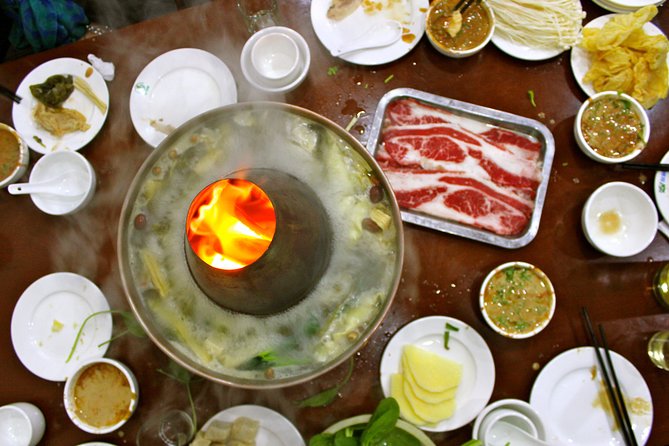
- Multiple dinner tastings may include Mongolian-style hotpot, hand-stuffed boiled dumplings, and sauced meats
- Local beer and other alcoholic beverages are part of the meal flow
- Nuoyan rice wine shop tasting adds a short, focused drink lesson (and samples)
- Ghost Street snack stop gives you a fun finish without committing to a full extra meal
Where the Night Starts: Beixinqiao Station at 7:00pm
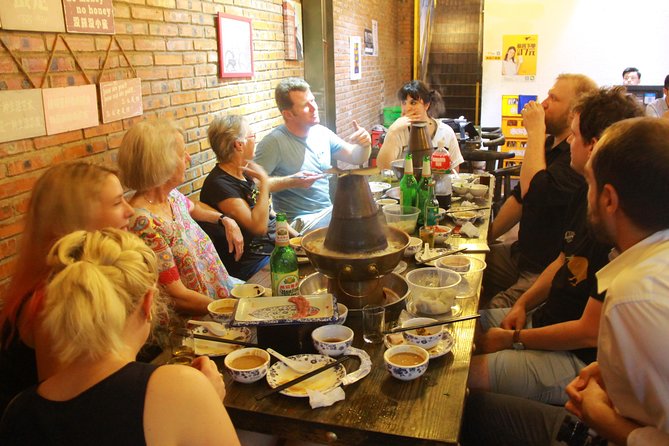
This tour starts in the evening, meeting near Beixinqiao Station (Dongcheng), with a 7:00pm start time. The big practical win is that you’re not trying to squeeze food stops into a hot daytime itinerary. Night is when hutong streets feel most like everyday Beijing life.
It’s also set up for transit users. You’re close to public transportation at both ends, and the finish is near Line 5 as well (around the intersection of Dongsi North St and Dongsi 10th Alley). If you are using the subway, this makes the evening feel easier to manage than tours that strand you far from metro lines.
You can also read our reviews of more tours and experiences in Beijing


Hutong Walking Is the Main Event, Not Just the Way There
Yes, the dinner matters. But the walking through hutong neighborhoods is what gives the tastings context. Your guide leads you through narrow lanes where local life is still visible, and you don’t have to worry about figuring out which alley leads to which restaurant.
This is the part I like best: you get to move through Old Beijing at a human scale. With an experienced guide, you’ll skip that awkward moment of staring at a street corner and realizing the best food places don’t advertise to tourists.
A detail worth knowing from how guides are described in real tour feedback: guides often help with safe, practical logistics. Some guides have also been praised for being attentive around allergies and for handling on-the-fly issues when a stop runs late. That matters because you’ll be walking and eating for about three hours, and small hiccups can derail a self-guided night fast.
The Dinner Flow: How the Tastings Build Into One Big Meal
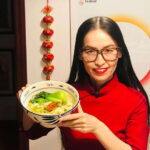
The tour is built around a series of local food stops. In practice, this works like a guided tasting dinner where each stop adds to a full meal, not just a sample or two. The tour description is clear: the tastings add up so much that you most likely won’t need to schedule dinner again for several hours after.
You can expect northern Chinese favorites, with menus that may include:
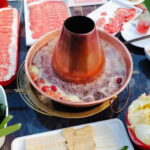
- Mongolian-style hotpot
- Hand-stuffed boiled dumplings
- Beijing sauced meats
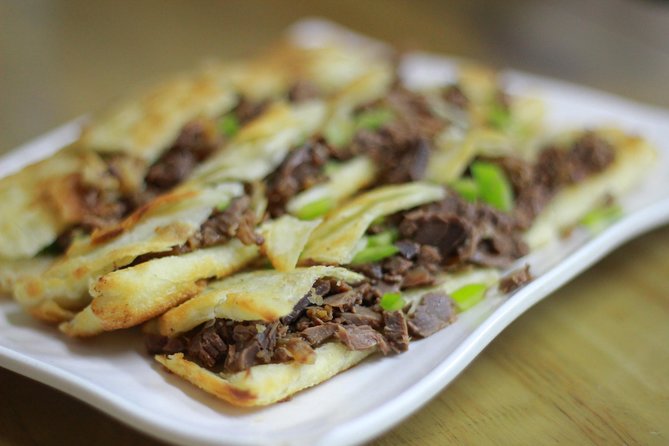
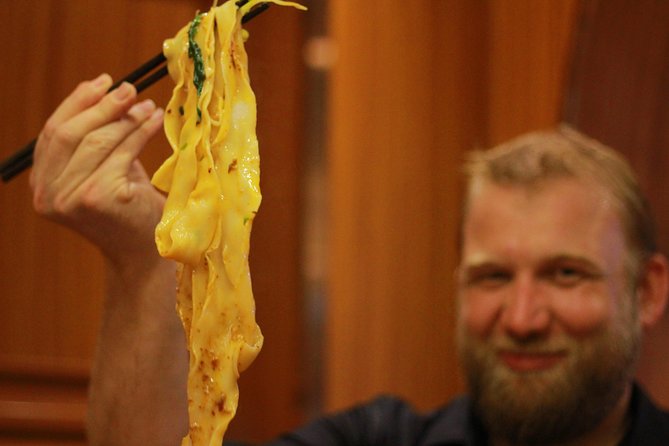
From guide-led examples in feedback, you should also expect variety like noodles and savory crepes (including jianbing-style options). That mix is useful because it keeps the meal from turning into one flavor trend. You get crisp, chewy, saucy, and comforting textures across stops.
One practical tip: if hotpot is one of your early tastings, pace yourself. Hotpot is interactive, warm, and easy to keep eating, especially when you’re hungry at 7pm. If you jump in too fast, you’ll spend the later stops thinking about your stomach, not the food.
What You Learn While You Eat (And Why It’s Worth Paying For)
Part of the value here is that the meal comes with explanations. Guides are praised for sharing stories about dish origins and the food culture behind what you’re eating. That can range from how foods became popular in different periods to why certain staples show up in everyday cooking.
This matters because Beijing food isn’t only about flavor. It’s also about habits: how families cook, how neighborhoods support small shops, and why certain dishes stick around. When you understand the basics, each bite lands differently.
A nice touch is that the tour isn’t “lecture-heavy.” It’s more like you’re walking, tasting, and getting small history and context pieces at the right moment. That keeps things fun, and it helps you remember what you ate without needing to take notes.
Beer Pairing and the Nuoyan Rice Wine Stop
Drinks are part of the structure. You’ll have bottled water during the tour, plus soft drinks and local alcoholic beverages. The tour also mentions a bottle of local beer paired with your meal tastings.
Then you shift to something different at the end: a boutique rice wine producer (Nuoyan rice wine shop). This part is only about 30 minutes, so it won’t drag. You’ll sample a small tasting flight and learn how rice wine (mijiu) fits into Chinese brewing history.
Why this is a good addition: beer is familiar, but rice wine is not. Even if you aren’t a big alcohol person, tasting a few small samples is a low-pressure way to understand how traditions taste. It also adds a clear “finish line” to the eating portion before the snack stop.
You can also read our reviews of more tours and experiences in Beijing


Ghost Street at the End: A Snack Street That Lets You Browse
After the rice wine stop, the tour ends with a quick stop on Ghost Street (Gui Jie), one of Beijing’s well-known snack streets. It’s listed as about 10 minutes and free for admission.
This is a good wrap-up strategy. You’re not forced to sit through another full meal. Instead, you get a chance to look around, grab a quick snack if you want, and then head back using your guide’s help and the metro-friendly location.
From a practical standpoint, finishing near a metro stop is smart in Beijing. You get flexibility, and you’re not locked into a long taxi ride through evening traffic.
Price and Value: Why $75 Usually Feels Fair Here
At $75 per person for about three hours, the real question is what you get beyond the walk. The tour includes dinner tastings that add up to a large meal, plus drinks (bottled water, soft drinks, local alcoholic beverages, and beer). That turns the price into more of an experience bundle than a simple “food sample” tour.
It also helps that the group size is small—standard 8 people, up to 12 in some cases. When food tours get bigger, your attention and portion experience can get uneven. Here, the format aims to keep things personal, and that usually makes the storytelling and ordering guidance feel more useful.
Another value point is the follow-through. You get a post-tour welcome packet with restaurant recommendations and local travel tips. That can save you time the next day, especially if you want to return to the areas you learned about.
Who This Dinner Tour Is Best For
This tour makes the most sense if you want:
- A guided hutong walk where you won’t feel lost in narrow streets
- A full night of northern Chinese food rather than one quick snack stop
- A small-group vibe that stays social without turning chaotic
It’s also a good fit if you like learning the story behind what you eat. Guides are repeatedly praised for explaining dish background and restaurant details, and for keeping the group moving smoothly.
One more note: if you have dietary needs, give advance notice. The tour states that specific dietary requirements need advanced notice so they can cater appropriately.
Should You Book This Old Beijing Dinner Tour?
I’d book it if you want a straightforward way to eat your way through Old Beijing without guessing where to go. The combination of hutong walking, a real tasting dinner, and the rice wine stop makes it feel like an evening with structure, not just a random food crawl.
Skip it only if you hate the idea of walking narrow lanes at night or you know you get overwhelmed when food keeps coming. This tour is designed to be a big meal experience, so come hungry, pace yourself early, and let the guide do the navigating.