REVIEW · BEIJING
Mutianyu Great Wall Admission Ticket
Book on GetYourGuide →Operated by PANDA144 experience · Bookable on GetYourGuide
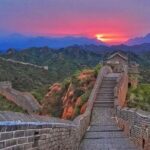
The Wall feels real right here. Mutianyu is one of the best Great Wall stretches to visit, with restored sections and watchtowers set above green hills near Huairou District and Bohai Town. I especially like the pre-booked admission, and I also like the restored Ming Dynasty wall you can explore at your own pace.
One thing to keep in mind: your booking has to match your passport details exactly, and a name or passport-number mismatch can ruin your timing at the ticket checkpoint. If that happens, you may have to sort it out on-site and lose precious morning hours.
In This Review
- Key things to know before you go
- Why Mutianyu Works So Well for a One-Day Great Wall Visit
- Getting There and Matching Your Ticket Time to the Checkpoint
- The Flow Once You’re On Site: From Entrance to the Wall Walk
- What You’ll Actually See on the Great Wall: Towers, Restored Sections, and Big Views
- Morning vs Afternoon: Time Slots That Affect Crowds and Comfort
- Cable Car and Slideway: When the Extra Cost Makes Sense
- Ming Dynasty Context: How to Read the Wall Without a Guide
- Photo Strategy: Getting the Great Wall Shots Without Stress
- Wheelchair Access and Practical Comfort Tips
- Price and Value: Is $17 a Good Deal Here?
- Who This Experience Fits Best (and Who Might Want Something Different)
- Should You Book Mutianyu Great Wall Tickets Through PANDA144?
- FAQ
- Where is the Mutianyu Great Wall located?
- How long is the experience?
- What is the ticket price?
- What’s included with the admission ticket?
- Is a guided tour included?
- Do I need cable car or slideway tickets separately?
- Is there a shuttle bus to the ticket checkpoint?
- What are the park operating sessions?
- Do I need to provide passport details to book?
- What can I bring, and what is not allowed?
Key things to know before you go
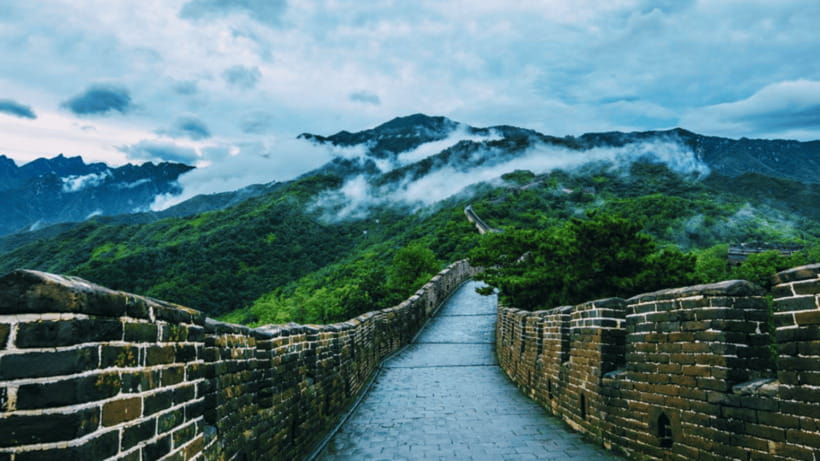
- It’s a classic Great Wall hike in the Mutianyu section, known for strategic structure and long, continuous walking.
- Pre-booked entry reduces friction at the ticket area, so you can spend more time on the wall and less time in lines.
- Shuttle service runs to the ticket checkpoint from the entrance area at the foot of the Great Wall.
- Morning sessions are usually the calmer choice if you want photos without crowds moving through constantly.
- Cable car and slideway cost extra if you want to use them, so plan your budget.
- Bring your passport and double-check the name and passport number used for the booking.
Why Mutianyu Works So Well for a One-Day Great Wall Visit

Mutianyu is often the Great Wall stop that people can actually finish in a single day, without feeling like they’re constantly sprinting. This section combines restored wall segments, historic watchtowers, and big open sightlines over rolling forested hills around Huairou.
I like that the experience is built for real walking. You’re not just looking at a wall from one angle—you get chances to move along the ridge, pause at watchtowers, and work your way toward better views as the morning or afternoon light changes.
You’ll also get historical context through exhibits on-site, including education tied to the Great Wall and the Ming Dynasty. That matters because it turns random stone steps into something with a story: lookouts, defense lines, and how people controlled movement across rugged terrain.
You can also read our reviews of more tours and experiences in Beijing


Getting There and Matching Your Ticket Time to the Checkpoint
Mutianyu sits outside central Beijing, in Huairou District near Bohai Town. Most people aim for the entrance area first, then use the park shuttle bus that runs between the entrance and the ticket checkpoint at the foot of the Great Wall.
This is where planning pays off. Your entry depends on your booking being valid for the correct date and time session. The park runs two sessions per day, and those time windows change with the season:
- Peak season (March 16 to November 15): Morning 07:30 AM to 12:00 PM, Afternoon 12:00 PM to 5:00 PM
- Off-peak season (November 16 to March 15): Morning 08:00 AM to 12:00 PM, Afternoon 12:00 PM to 5:30 PM
Now for the practical warning that can save you hassle: you must book with the full name exactly as shown on your passport, plus your passport number. If the correct details aren’t received on time, your booking can get canceled (and there may be a cancellation fee). If your entry time gets mishandled, you could end up buying new tickets on-site, which is the last thing you want when you’re eager to start climbing.
The Flow Once You’re On Site: From Entrance to the Wall Walk
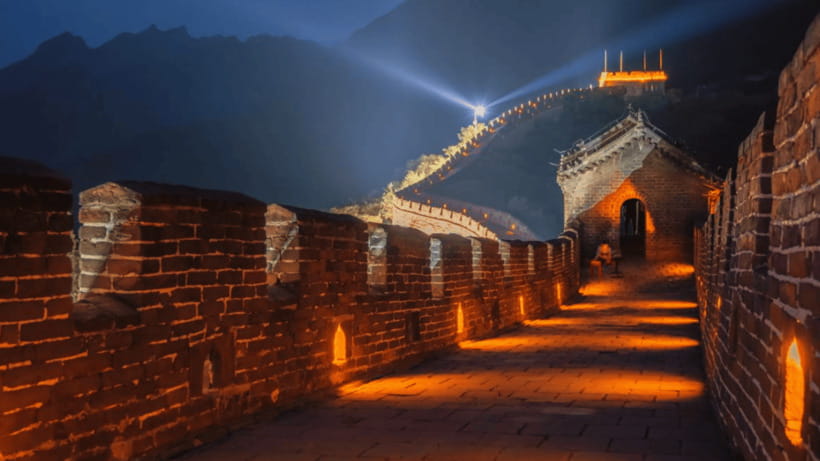
Once you arrive, expect a simple rhythm: entrance area, shuttle to the ticket checkpoint, then you move into the scenic zone. From there, it’s mostly about your pace.
Because this experience is built around admission rather than a guided program, you’re free to choose how much of the wall you want to cover. That’s a plus if you like flexibility. It’s also a small drawback: if you’re the type who wants step-by-step interpretation, you’ll need to rely on what’s posted around exhibits and signage.
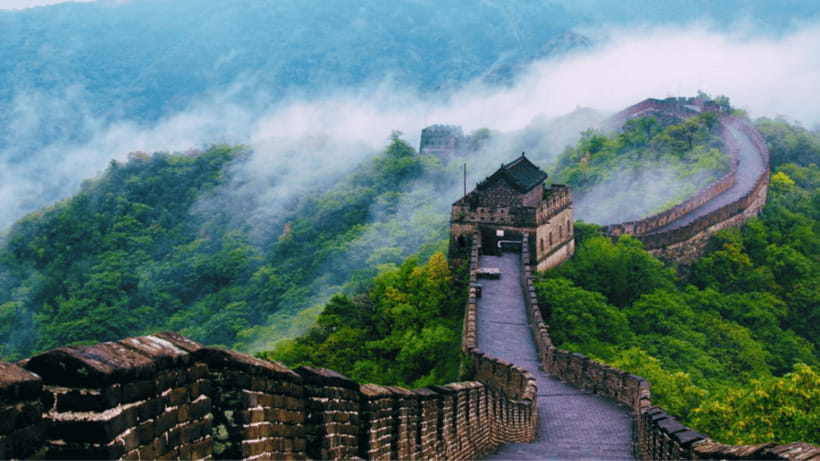
You’ll find the wall is meticulously restored, with watchtowers spaced along the route. Those towers are more than photo props. They’re built for the idea of sightlines and control, so stopping at one is a natural moment to slow down, look across the hills, and understand why this spot mattered.
What You’ll Actually See on the Great Wall: Towers, Restored Sections, and Big Views
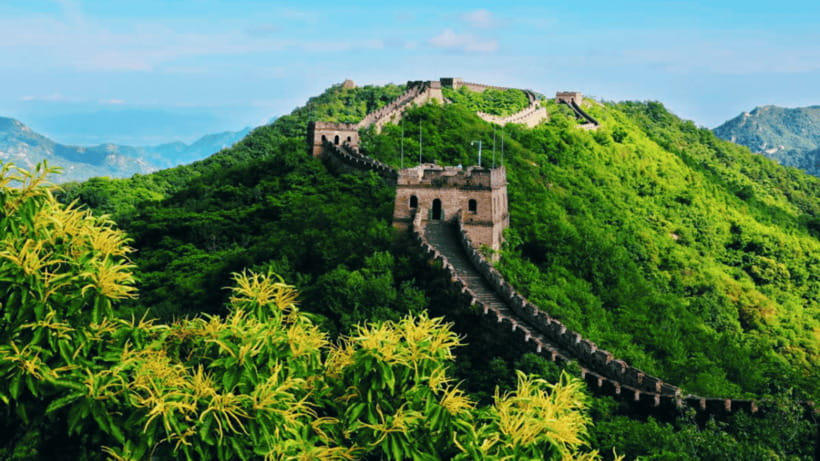
Mutianyu is famous for its mix of structure and scenery. You’re walking above lush forests and rolling hills, which means your views aren’t just one long stretch of wall. Depending on where you stop, you’ll see layered ridgelines, tree cover below, and the wall segment itself threading through the mountains.
I like how the restored wall sections make the walk feel continuous. Even if you don’t know every historical detail, you can sense the engineering: straight stretches, strategic turns, and the way watchtowers punctuate the route.
Here’s the best way to experience it without wearing yourself out:
- Pick a goal distance or a couple of key watchtowers rather than trying to do everything.
- Plan to spend time looking from a standstill. You’ll get more out of the place that way than by rushing from one marker to the next.
- Expect lots of steps and uneven changes in elevation, especially if you choose a longer route.
And yes—this is a great photo wall. The restored sections give you clean sightlines, and the surrounding hills help your pictures look like more than just stone. If you care about photography, build in extra pause time rather than treating the wall like a race track.
Morning vs Afternoon: Time Slots That Affect Crowds and Comfort
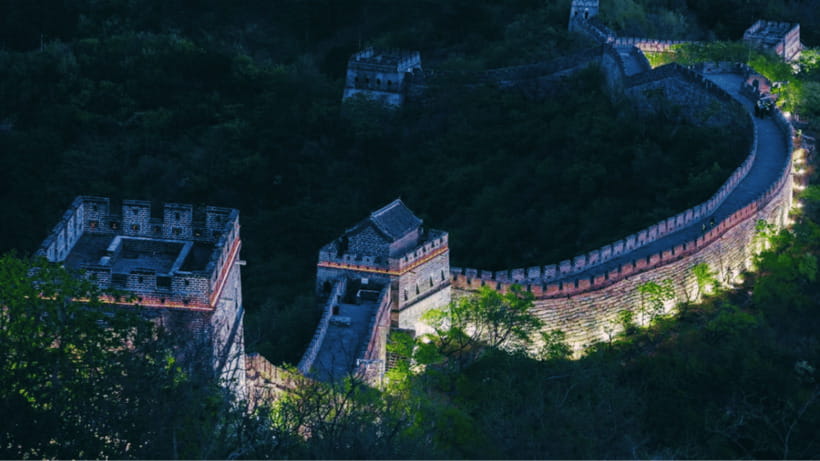
If you want an easier, more relaxed visit, the morning session is the smart play. One of the clearest patterns from past experiences is that going in the morning often means fewer people in your way, which helps with both walking flow and photography.
Morning can also feel more comfortable because you’re closer to the cooler part of the day, especially in spring and autumn. And since the park is open in set sessions, you’ll want to match your plan to the window that fits your travel day.
Afternoon is still totally doable, but it can feel more crowded and hotter. If you choose afternoon, aim to start climbing closer to the beginning of the session rather than waiting until the park is already busy.


Cable Car and Slideway: When the Extra Cost Makes Sense
Cable car and slideway use is not included in the admission. That means you’re making a decision: do you want to spend your time walking the wall the whole way, or do you want to trade some time and effort for a faster change in elevation?
If you’re traveling with kids, planning around mobility needs, or just want energy for photos and towers, paying for at least one assisted section can make the day feel more enjoyable. If you’re feeling strong and you enjoy a steady hike, you can stick to the wall route without using the extra features.
Also keep in mind: children with a height of 1.2 meters or below can ride the shuttle bus and cable car for free. That can change what’s worth paying for, especially for families.
Ming Dynasty Context: How to Read the Wall Without a Guide
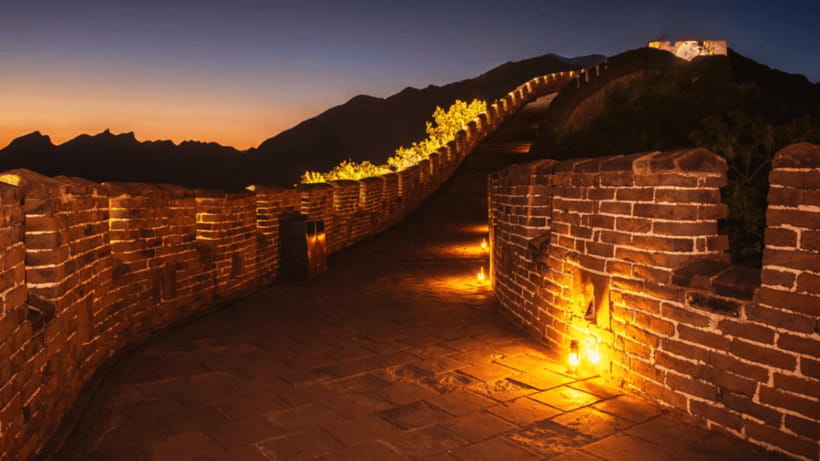
Even without a guided tour, you can get the history to click. The on-site exhibits cover the Great Wall and the Ming Dynasty, and the wall itself gives you a visual lesson as you walk.
As you move along the restored route, look for:
- Watchtowers that interrupt the line of the wall
- Sections where the wall changes elevation or angle
- Any posted explanations tied to defense, communication, and the purpose of lookouts
This is where the experience becomes more than sightseeing. The wall’s design tells you what it was built to do: spot movement, control access, and connect distant points along the ridgeline. Even if you only spend a few minutes reading each exhibit panel, your understanding grows quickly.
Photo Strategy: Getting the Great Wall Shots Without Stress
You don’t need fancy gear to get good photos here, but you do need timing. The wall and hills look best when you have room to frame your shots without people cutting through your view.
My practical advice:
- Start earlier in the session if you care about cleaner backgrounds.
- Choose a couple of anchor towers or bends and work those angles slowly.
- Use the natural depth of the ridgelines. Don’t aim every picture straight down the wall; try a slight angle that includes both wall and hills.
Also, build a buffer for waiting. Any time you’re moving along a popular section, you’ll hit slower moments where people stop for photos. If you plan for that, you won’t feel rushed.
Wheelchair Access and Practical Comfort Tips
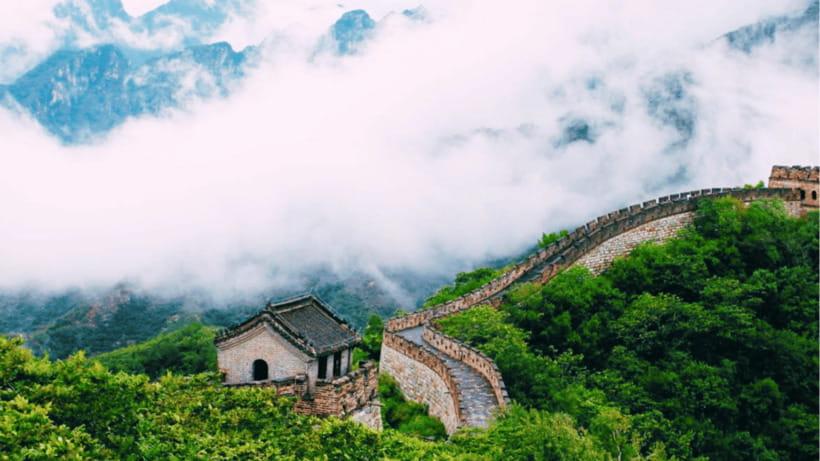
Wheelchair accessibility is listed for this experience. That’s good news if you’re planning around mobility needs, but it still helps to think realistically about walking on-site. Even with accessible options, you may face changes in surface texture and steepness depending on where you choose to go.
If you bring mobility equipment, you’ll want to keep your plan simple: focus on the areas you can reach comfortably, and use any shuttle or optional transport where available. This is one of those destinations where having a flexible mindset pays off.
Also, don’t forget the basics: bring your passport. The ticket process is tied to it.
Price and Value: Is $17 a Good Deal Here?
At about $17 per person, the price is mainly paying for one thing: admission to the Mutianyu Great Wall experience, including access to the scenic area and historical exhibits.
That’s not automatically cheap or expensive—it’s good value if you want the Wall itself and you’re comfortable handling the plan independently. The day is short on paper (one day), but it’s full in practice, so you’re not paying for a long, complicated program.
The main cost you should budget separately is the optional cable car or slideway usage. Since those are not included, decide ahead of time if you want that convenience. If you think you will use it, set aside extra cash so the day doesn’t turn into a last-minute surprise.
Also, pre-booking generally reduces time wasted at the checkpoint. In a place where the schedule matters, that time saved can be worth more than the small discount you might get by improvising.
Who This Experience Fits Best (and Who Might Want Something Different)
Mutianyu Great Wall tickets like this fit best if you:
- Want a self-paced one-day Great Wall visit with admission included
- Like historic context but don’t need a full guided lecture
- Want to move early for calmer views and better photos
- Prefer clear, straightforward logistics rather than a bundled tour
It might feel less ideal if you:
- Want a full guided experience with detailed storytelling throughout the walk
- Want to rely on a group leader for navigation, timing, and interpretation
- Are likely to struggle with schedule windows and booking details (because time-session matching and passport-name accuracy matter)
If you’re a first-timer to the Great Wall, Mutianyu is a solid starting point. It’s famous for a reason: restored structure, walkable segments, and big mountain views you can actually appreciate without spending multiple days.
Should You Book Mutianyu Great Wall Tickets Through PANDA144?
If your goal is to get onto the Wall smoothly, this is a reasonable way to do it. You’re paying for admission, and the pre-booked setup is meant to cut down hassle at the ticket checkpoint. That’s especially helpful when the park only runs in morning and afternoon sessions.
My decision checklist for you:
- Can you provide the correct passport name and passport number when booking? If yes, you’ll likely have a smoother start.
- Are you flexible with your session choice? Morning can make the experience feel easier.
- Are you okay with paying extra for cable car or slideway if you want them? Plan ahead so the budget stays sane.
- Do you want a self-guided day? If yes, you’ll enjoy the freedom.
If you want a quick, high-impact Great Wall day without a lot of tour structure, booking this admission is a smart move.
FAQ
Where is the Mutianyu Great Wall located?
Mutianyu is in Huairou District near Bohai Town, outside Beijing, China.
How long is the experience?
It’s listed as a 1-day experience.
What is the ticket price?
The price is $17 per person.
What’s included with the admission ticket?
Included items are admission to the Great Wall experience, access to scenic views and natural landscapes, and access to historical and cultural exhibits.
Is a guided tour included?
No, guided tours are not included.
Do I need cable car or slideway tickets separately?
Yes. Cable car or slideway usage is not included and requires an additional fee.
Is there a shuttle bus to the ticket checkpoint?
Yes. The scenic area provides a shuttle bus that runs between the entrance and the ticket checkpoint at the foot of the Great Wall.
What are the park operating sessions?
The park operates in a Morning session and an Afternoon session, with different time ranges for peak season (March 16 to November 15) and off-peak season (November 16 to March 15).
Do I need to provide passport details to book?
Yes. Booking requires your full name as it appears on your passport and your passport number to complete the booking.
What can I bring, and what is not allowed?
You should bring your passport. Pets, weapons or sharp objects, and explosive substances are not allowed.