REVIEW · BEIJING
Beijing: Mutianyu Great Wall Day Tours with Options
Book on GetYourGuide →Operated by Catherine Lu's Tour · Bookable on GetYourGuide
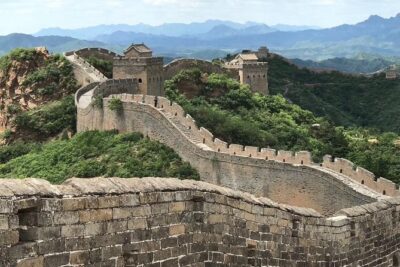
Mutianyu feels like the Great Wall you missed. It’s the best fully restored section open to visitors, with a calmer vibe than the crowds at Badaling and a dense run of watchtowers that makes every turn feel dramatic. I especially like the triangular trio of interlinked watchtowers here, plus the big photo payoff you get without racing people for positions.
I also like how the day is built around choice. You can go up and down in a way that fits your energy—then add the toboggan option for a fun, hands-on Great Wall memory, even if you’re traveling with kids. Guides such as May and Jenny get praised for clear explanations and keeping families moving, so the history doesn’t feel like homework.
One consideration: the most fun rides can cost extra. The tour includes entrances, but toboggan/chairlift down (and sometimes the cable car, depending on the option you choose) isn’t part of the base price, so plan a little cash for the add-ons. Also, the road back can have heavy traffic, so don’t book another tight plan immediately after your return.
In This Review
- Key highlights to look forward to
- Mutianyu Great Wall: the restored section that feels made for real exploring
- Getting there from Beijing: plan for the ride, then relax into the day
- Entrance tickets included, and the line-skip matters more than you think
- Picking your Great Wall “style”: cable car versus chairlift plus toboggan
- The hiking part: how to spend your time on Mutianyu without feeling lost
- How long should you plan to hike?
- Photo value: watchtower density plus calmer crowds
- When the guide is the difference: clear history and real logistics
- Adding extra Beijing sights: best pairings for your interests
- Cost and value: what’s included for $40, and what can add up
- What to bring (and what to avoid) so the day stays stress-free
- Who should book this Mutianyu tour?
- Should you book the Mutianyu Great Wall day tour?
- FAQ
- Where is the fixed meeting point?
- How do I get to the meeting point using public transit?
- Are entrance tickets included in the price?
- Does the tour skip the ticket line?
- Which languages does the guide speak?
- Is the toboggan or chairlift down included?
- How long is the tour?
- What should I bring on the trip?
- Are drones allowed?
- What’s the age limit?
Key highlights to look forward to
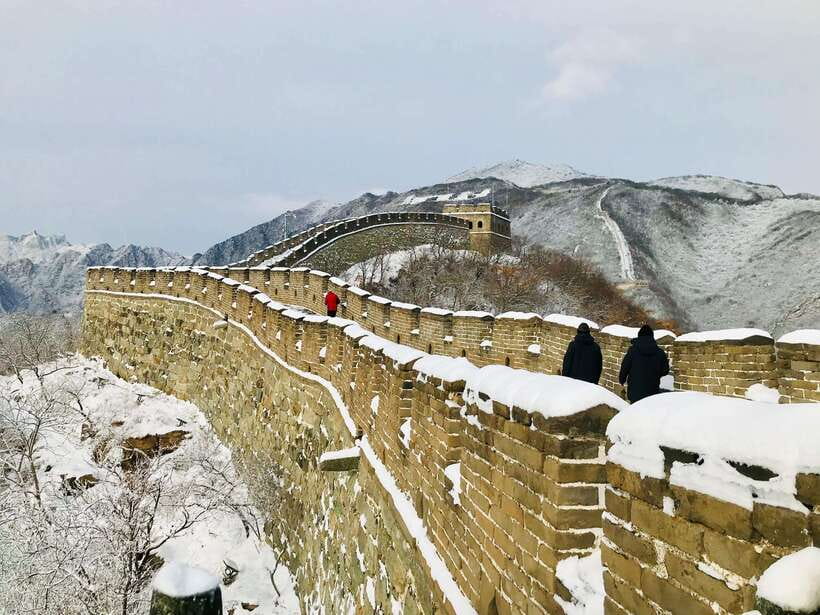
- Fully restored Mutianyu with more densely spaced watchtowers than Badaling
- Triangular watchtower formation (three interlinked towers) for standout photos
- Pick your route: cable car or chairlift up, plus optional toboggan down
- Family-friendly access with safer entry points and multiple ride options
- Skip-the-line touring with an English-speaking guide and a comfortable, air-conditioned van
- Local culture stops can be added like the Summer Palace, Forbidden City, Ming Tombs, or even a hutong food tour
Mutianyu Great Wall: the restored section that feels made for real exploring
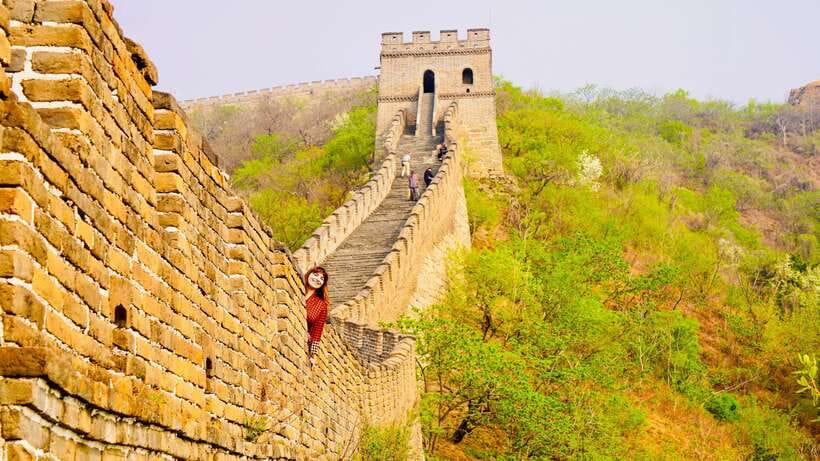
If you want the Great Wall that’s easiest to enjoy without feeling rushed, Mutianyu is the smart target. This stretch is described as the longest and best fully restored section open to tourists, and that restoration shows in the condition of the wall and the overall visitor experience.
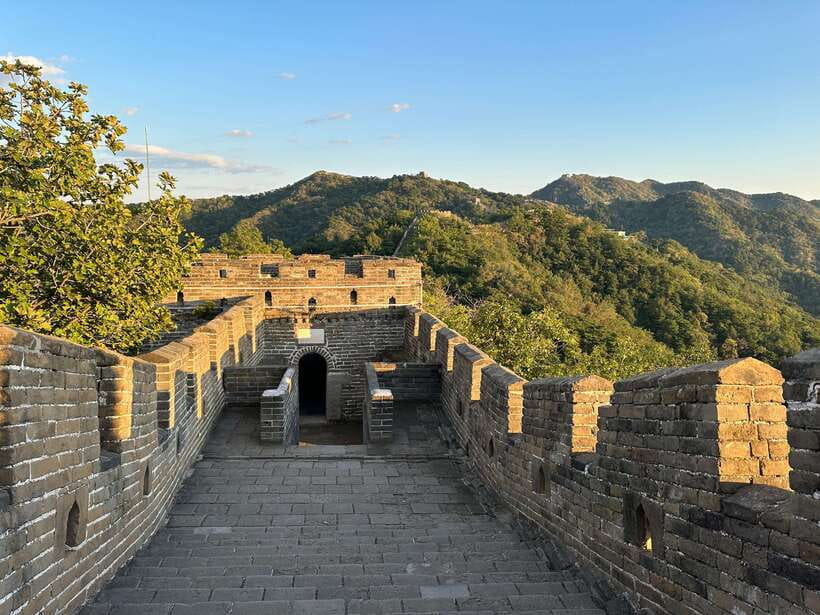
The biggest “why this matters” is how the watchtowers are spaced. At Mutianyu, the watchtowers are more densely placed than at Badaling, which means you don’t just walk a straight line—you keep meeting new structures and new viewpoints every few minutes. The result is a hike that feels active, not repetitive.
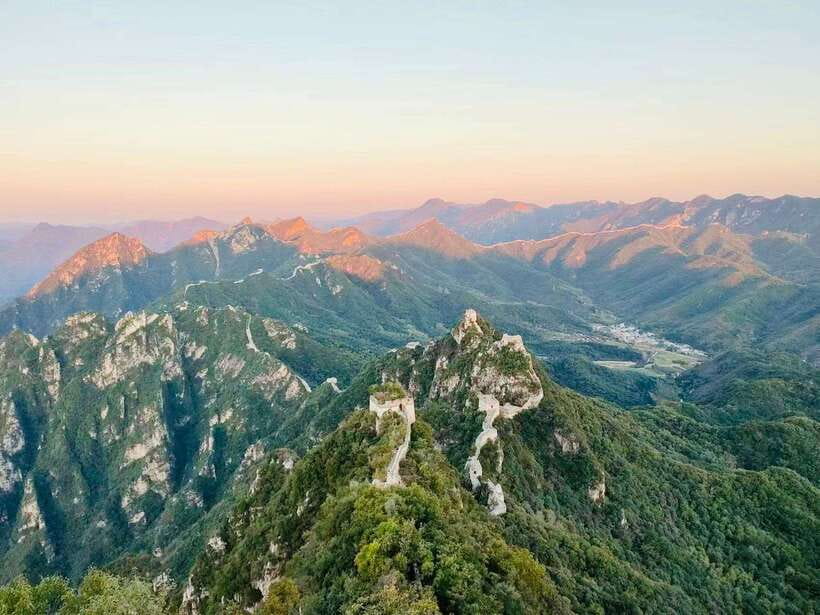
And then there’s the detail that makes Mutianyu feel like a special find: the rare triangular formation of three interlinked watchtowers. Even if you only walk a portion of the wall, that kind of structure helps you understand what you’re seeing. It also gives you that classic Great Wall moment where you can frame multiple towers in one shot.
You can also read our reviews of more tours and experiences in Beijing.
Getting there from Beijing: plan for the ride, then relax into the day
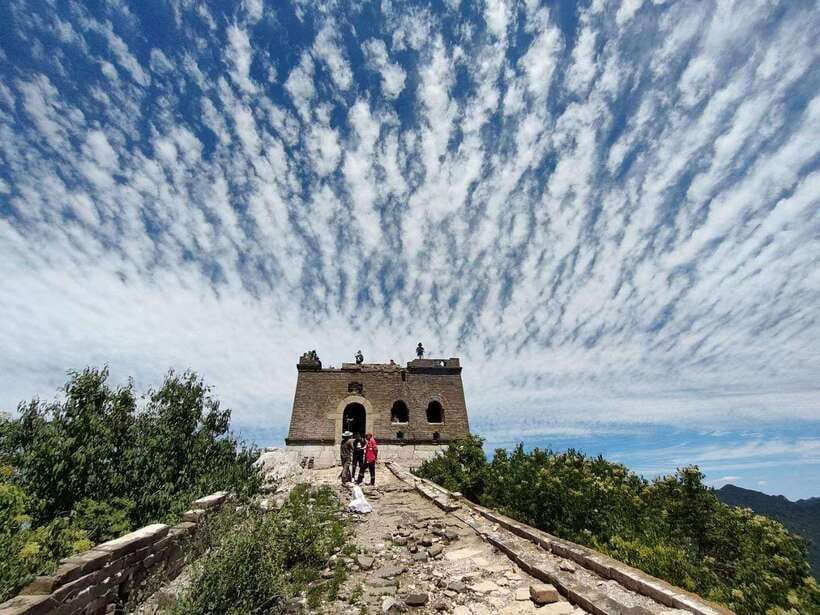
From central Beijing, you’re looking at roughly 1.5 to 2 hours by road to reach Mutianyu. A big part of the value here is that the experience includes air-conditioned transport and an organized pickup structure, so you’re not figuring out bus transfers with luggage and a deadline.
If you start from the fixed meeting point—Beijing SWISSOTEL BEIJING HONG KONG MACAU CENTER on Chaoyangmen North Street—you’ll keep things simple. You can also use taxi instructions in Chinese (please bring me to Beijing Swissotel Beijing Hong Kong Macau Center), or go by subway line 2 to DongsiShitiao and walk about 500 meters from Exit C.
One practical note: Beijing traffic can be unpredictable. You’ll likely be fine if you use the day as a full experience (not just a quick photo stop), and if your tour plan includes buffer time for the return trip. The smoother your expectations are, the more you enjoy the wall itself.
Entrance tickets included, and the line-skip matters more than you think
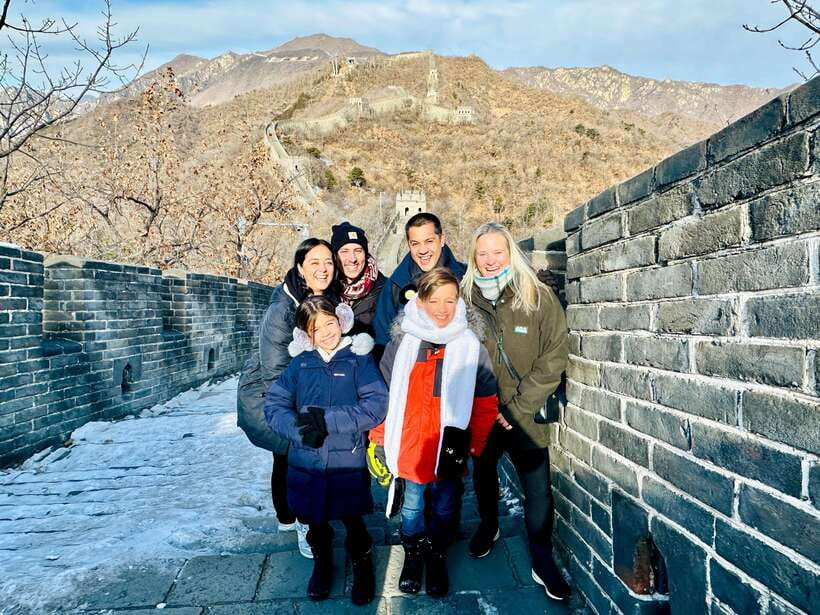
The tour includes all entrance tickets, and it also includes skip the ticket line service. That doesn’t sound glamorous, but it’s a real quality-of-life perk at popular scenic sites. When you’re spending hours on a Great Wall day, every saved chunk of waiting time helps you reach the part that actually counts: the stairs, the towers, and the views.
You’ll also get a bottle of water provided in the van. That’s a small inclusion, but it removes one tiny stress before you’re out on the wall.
If you’re choosing among different time options (2 to 9 hours total), this “tickets handled” setup keeps your timeline cleaner. Even if you’re adding another Beijing attraction, you won’t be scrambling for admissions paperwork at the last second.
Picking your Great Wall “style”: cable car versus chairlift plus toboggan
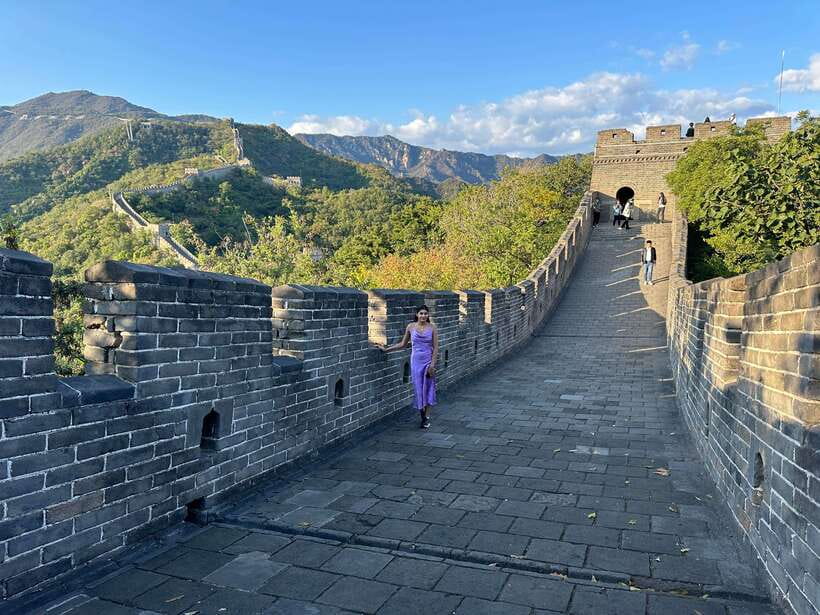
This is where Mutianyu turns into a choose-your-own-adventure day. Once you arrive, you typically choose between going up/down by cable car or using the chairlift up and then doing the toboggan down.
One described route is: cable car up and down to watch tower 14. Another route is: chairlift up to a higher point and then toboggan down to watch tower 6.
Here’s the practical meaning of that choice:
- If you want a calmer experience with less effort, the cable car option can reduce fatigue and let you focus on a longer time on the wall itself.
- If you want a more playful finish and don’t mind the extra thrill, the chairlift plus toboggan route adds a “reward moment” at the end.
Either way, your time on the wall can be two hours or longer, based on how you feel on the stairs. The key advantage is that you’re not trapped with one “distance option.” You can match the day to your group: slow and steady for kids or mixed ages, or longer stretches if you’re hiking-ready.
The hiking part: how to spend your time on Mutianyu without feeling lost
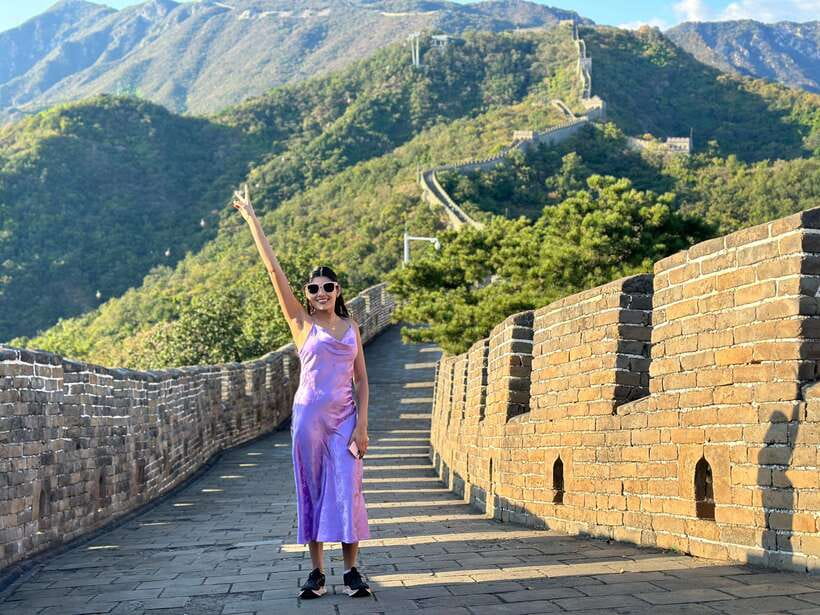
Once you’re on the wall, Mutianyu’s dense watchtower spacing works in your favor. As you walk, you keep encountering structures and outlooks that naturally break the route into segments. That helps you avoid the “we walked forever and saw the same thing” feeling.
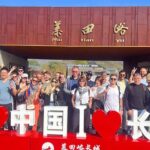
You’ll also see the cultural side of Mutianyu right on the grounds. Under the westernmost towers, on a grassy ridge, there’s a 200-meter-long phrase: 忠于毛主席, meaning loyalty to Chairman Mao. It’s a striking monument-like element that adds context about how the Great Wall has been interpreted and presented across different eras. Nearby, you may also see references to Mao’s famous line about not being a good man if you don’t reach the Great Wall: 不到长城非好汉.
You don’t need to be a history expert to appreciate this. The wall alone is impressive—but details like this remind you the Great Wall isn’t just a view. It’s also a lived-in symbol that gets framed by the country’s own storytelling.
How long should you plan to hike?
Plan at least 2 hours on the wall if you want something satisfying. If your group has kids, go longer only if everyone feels good on the stairs. If you’re older or returning from jet lag, choose the route that reduces stress (cable car options are often the kinder pick).
Photo value: watchtower density plus calmer crowds
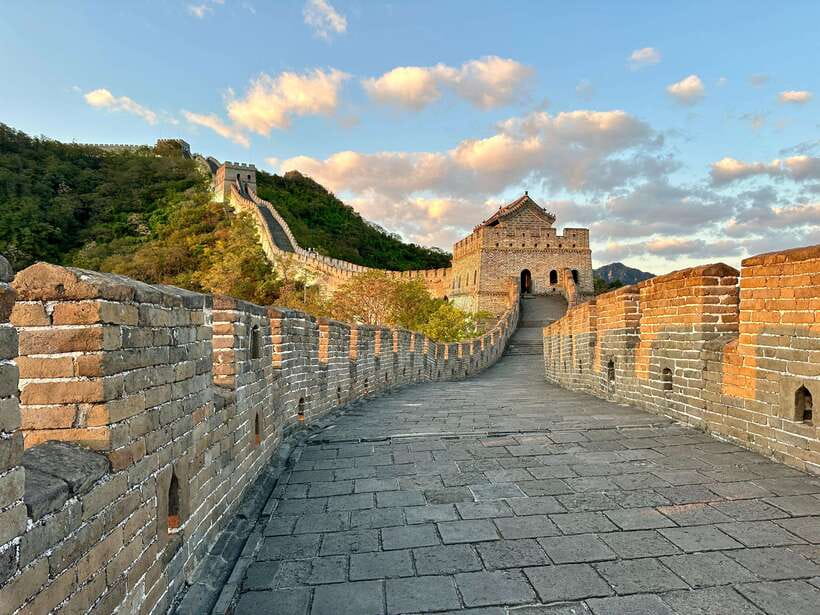
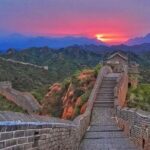
If you care about photography, Mutianyu is a practical win. One common reason is the watchtower spacing: more towers means more composition options within a shorter walk. Instead of hunting for one good overlook, you can build a sequence of shots as you move.
Another reason is crowd level. Mutianyu is described as less crowded than Badaling, which matters when you’re trying to find clean angles and avoid constant foot traffic blocking the view. You’ll still see visitors, but the vibe is more “explore and pause” than “stand in line for a single photo.”
If you want the day to feel easier for photos, build in pauses instead of rushing between towers. On a dense-wall section, the best photos often come when you stop and let the scene settle: towers, steps, ridge lines, and the repeating geometry of the wall.
When the guide is the difference: clear history and real logistics
This type of trip lives or dies by the guide, because the day has choices. A good guide helps you decide how long to hike, which segments to focus on, and what to expect when you’re standing at the wall entrances.
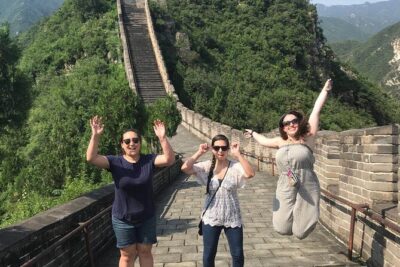
From the named examples in the experience’s feedback, May is frequently praised for being kind and engaging, especially with children, including helping take pictures and adapting so families can relax. Jenny gets called out for punctual pickup and detailed guidance, plus clear explanations you can actually remember. Other guides—James, Angel, Coralin, Justin, and Jason—show up repeatedly for flexibility, safety, and clear options on how to spend time on the wall.
There’s also a logistics layer that matters. The tour includes an English-speaking guide and a comfortable air-conditioned car/van with a private driver. Even if you’re good at navigating cities, it’s a relief not to think about directions on the way to the mountains.
And yes, you can request helpful details. One group noted they were able to arrange a car seat by request. If you’re traveling with a child, that’s the kind of small detail that can make the day feel truly smooth.
Adding extra Beijing sights: best pairings for your interests
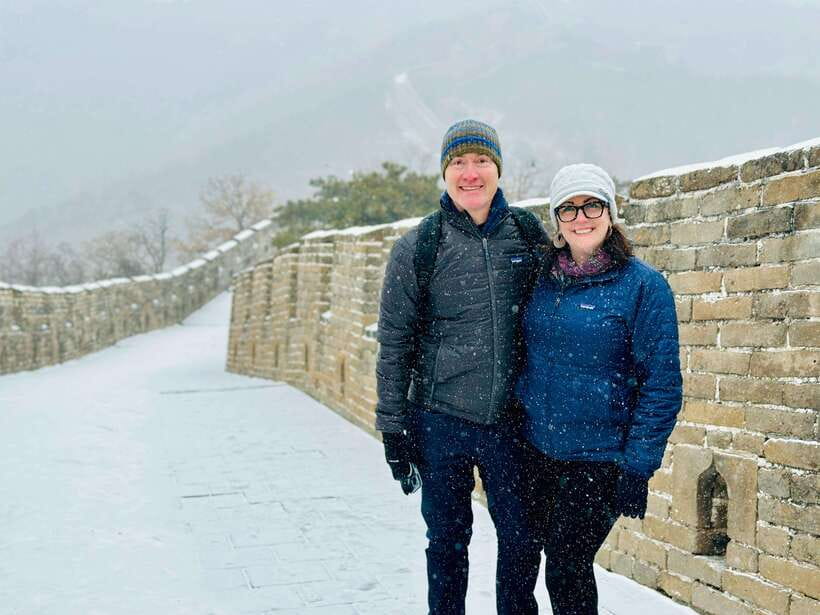
Mutianyu becomes even better when you connect it to another major site, and the experience offers multiple total-time options to match different travel styles.
Here are some of the pairing ideas you can choose from:
- Summer Palace + Mutianyu: a good mix of imperial scenery and Great Wall time
- Forbidden City + Mutianyu (sunset option): more classic city highlights plus a wall evening feel
- Hutong food tour + Mutianyu: add a taste-and-stroll side of Beijing
- Ming Tombs + Mutianyu: another royal-era theme if you want more heritage
- Gubei Water Town + sunset Simtai wall + Mutianyu: if you want a second scenic-wall vibe later in the day
The practical tip: pick pairings that don’t turn your schedule into sprinting. Since the Mutianyu day already includes a road ride plus stairs plus optional rides, you’ll enjoy extra stops more if you choose one strong additional attraction rather than packing too many.
You might also find that some tours include a simple cultural touch like a traditional tea ceremony. It’s not something you should bank your whole day on, but it’s a nice bonus when it appears.
Cost and value: what’s included for $40, and what can add up
The base price listed is $40 per person, with a duration range of 2 to 9 hours depending on which option you select. At this price point, the value really comes from what’s handled for you: English-speaking guide, air-conditioned private transport, entrance tickets, and skip the ticket line service.
However, keep your budget reality check in mind. The tour data specifically notes that toboggan or chairlift down is not included. That means you’ll likely pay extra if you want the more fun ride down.
One review also mentioned extra costs such as 140 yuan per person for the cable car and 75 yuan per person for a buffet lunch. Those figures may vary by option and time, but they give you a useful expectation: the “base tour” covers the big logistical pieces, while the ride-attractions and meals are often additional.
If you’re the type who wants to do everything (cable car plus toboggan plus lunch), budget beyond the headline price. If you’re okay with one main ride choice and a lighter meal plan, the package can feel like a great deal.
What to bring (and what to avoid) so the day stays stress-free
This kind of Great Wall day trip rewards good prep.
Bring:
- Your passport (a copy is accepted)
- Comfortable sport clothes and hiking shoes
Avoid:
- Drones (not allowed)
- Weapons or sharp objects
- Alcohol and drugs
- Any alcohol in the vehicle
Also note: don’t plan on drinking alcohol during transit, and keep your vehicle snacks simple since drinks are not included.
If you’re tempted to bring a drone for cinematic shots, don’t. Even if you’re just thinking about the wall, the rules are strict. Leave it behind rather than risking a problem at a checkpoint.
Who should book this Mutianyu tour?
This is a smart pick if you want:
- A Great Wall first-timer experience with a guide to handle decisions and explanations
- A family-friendly day where kids can enjoy rides without needing a huge endurance hike
- Photography time with less crowd pressure and more tower variety
- A “choose your pace” plan with cable car and chairlift/toboggan options
It’s not a fit if you’re traveling with someone over 95 years. The wall walking and stair access make that limitation understandable, even with ride options.
Should you book the Mutianyu Great Wall day tour?
I’d book it if you want a reliable, low-stress way to see one of China’s most famous sights—without betting your day on transit puzzles. The combination of skip-the-line, entrance tickets included, and a guide who helps you pick the right wall approach is exactly what turns a tourist day into a smoother memory.
I’d think twice if your plan is ultra-budget and you’re set on paying for every ride and meal add-on. The headline price is good value, but toboggan/chairlift/cable car choices can push the total higher. Also, because traffic can affect timing, treat your return as part of the plan, not something you schedule down to the minute.
If you’re traveling with kids, or you want the wall experience to feel approachable, Mutianyu is the right section to target—and this style of tour gives you the structure to enjoy it.
FAQ
Where is the fixed meeting point?
The fixed meeting point is Beijing SWISSOTEL BEIJING HONG KONG MACAU CENTER, address Number 2 Chaoyang Men Da Jie, Dongcheng District, Beijing.
How do I get to the meeting point using public transit?
You can take subway line 2 to DongsiShitiao and exit at C, then walk about 500 meters.
Are entrance tickets included in the price?
Yes. The tour includes all the entrance tickets.
Does the tour skip the ticket line?
Yes. The tour includes skip the ticket line.
Which languages does the guide speak?
The live tour guide is available in English, French, German, Italian, and Spanish.
Is the toboggan or chairlift down included?
No. Toboggan or chairlift down is not included.
How long is the tour?
The duration is 2 to 9 hours, depending on the option you choose.
What should I bring on the trip?
Bring your passport (a copy is accepted) and wear comfortable clothes and hiking shoes.
Are drones allowed?
No. Drones are not allowed.
What’s the age limit?
This experience is not suitable for people over 95 years.