REVIEW · BEIJING
Beijing Lama Temple Entrance Ticket with Optional Guided Service
Book on Viator →Operated by Unique Beijing Tours · Bookable on Viator
A temple tour that feels both spiritual and practical. The Yonghegong Lama Temple was once a royal palace and later became a major Tibetan Buddhist site in China. You’ll get an entrance ticket included, and if you choose it, an English guide helps you read the place like a living temple, not just a museum.
I especially like two things: the chance to see a functioning temple where people actually pray, and the optional guided service that explains how the buildings are used and what details mean. One thing to watch: the whole experience depends on your QR code working, and a few people reported trouble getting a valid code in time, forcing them to buy a ticket again on site.
In This Review
- Key things I’d zero in on before you go
- Yonghegong Lama Temple: what you’re really buying with the ticket
- What the temple feels like on the ground (not just in photos)
- Your main stop: the Lama Temple (Yonghegong) walkthrough in plain terms
- The palace-to-temple layout makes the visit easier to follow
- Buildings aren’t just buildings; they’re used for practice
- The incense moment is your best “memory anchor”
- Optional guided service: when English interpretation is worth the extra thought
- Crowds, queue flow, and how to avoid the annoying surprises
- Value check: is $7 a deal or is it only worth it with the guide?
- When the spiritual moments hit: incense, prayer, and the big Maitreya reference
- Getting there and moving around: the basics you can count on
- Who this experience suits best (and who might skip it)
- Should you book this Lama Temple ticket with optional guide?
- FAQ
- How long is the Lama Temple visit?
- Is the entrance ticket included?
- Do I get an English-speaking guide?
- When will I receive my tickets?
- Is this a private group?
- Is the meeting area easy to reach using public transport?
- Can I get a refund if I cancel?
- What if the visit is cancelled due to weather?
Key things I’d zero in on before you go
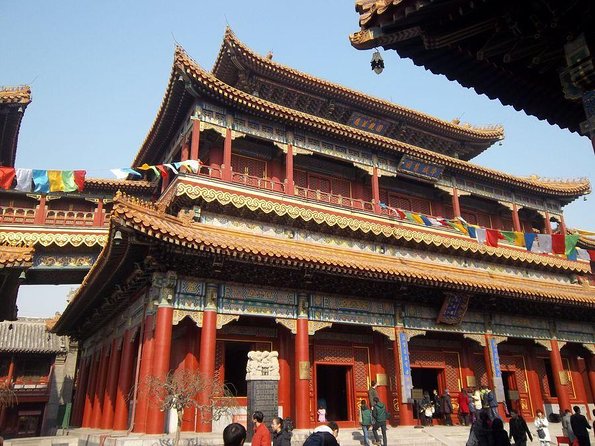
- Functioning temple: you’re watching real prayer, not staged sightseeing
- Optional English guides: people mention clear explanations in good English from guides like Mina, Mike, Kevin, and Jack
- Incense ritual tip: once you pass the portals, pick up the incense sticks offered and join the moment
- Standout sculpture: there’s mention of a large 18m-high Maitreya Buddha statue
- Crowd reality check: even with pre-booking, expect queues and tight flow through key areas
Yonghegong Lama Temple: what you’re really buying with the ticket
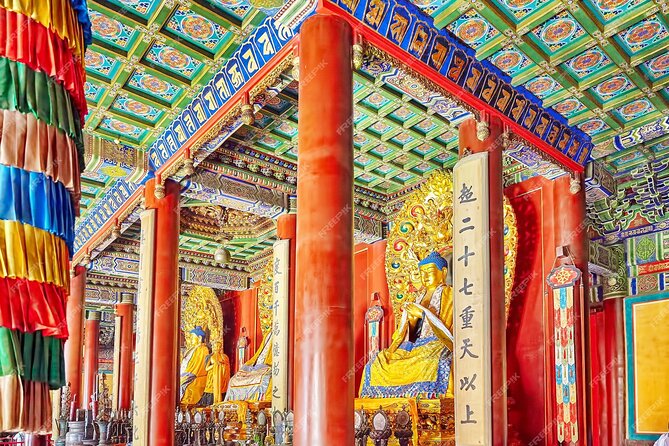
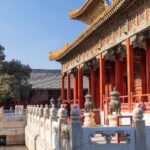
This ticket is simple on paper: pay once, walk in, and see one of Beijing’s most influential Tibetan Buddhism sites. The Yonghegong Lama Temple also carries the old identity of the palace of peace and harmony, which matters because you’ll notice the palace layout influences the whole experience. It isn’t just architecture either. It’s a temple that still works as a place for prayer, so you’ll see people coming in with purpose, lighting incense, and pausing in the courtyards.
The value angle is the key. The listed price is $7 per person, and the experience includes the entrance ticket. Add the optional guided service and you’re paying for interpretation—how buildings were repurposed, what religious details mean, and what to pay attention to while you’re there. If you’re the kind of traveler who likes to understand what you’re looking at, that guide option can turn a quick visit into a more satisfying one.
One more thing: you’re not booking a huge bus tour. It’s private for your group. That usually means less waiting for strangers to catch up and more flexibility in how fast you move through the site.
You can also read our reviews of more tours and experiences in Beijing
What the temple feels like on the ground (not just in photos)
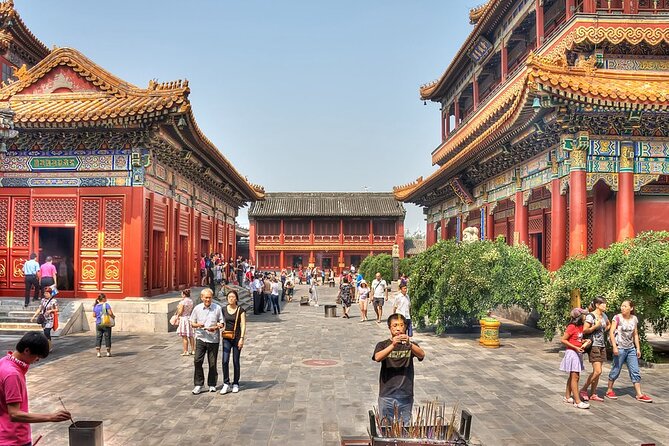
Even if you’ve seen temples from other parts of Asia, Yonghegong has a specific tone because it bridges two roles: museum + working temple. The overview notes it’s both a museum of Tibetan Buddhism and a functioning temple where people pray. That blend changes what you notice. You’re not only looking for “cool sights.” You’re also watching everyday devotion—quiet, focused, and very normal for the locals.
From the practical side, you’ll likely encounter incense rituals during your visit. One of the most repeated practical tips is to take the incense sticks offered to you after you pass the portals. People do it right away, and it helps you participate instead of feeling like you’re watching from the outside. If you’re a “stand back and observe” traveler, that’s fine too. The difference is you’ll at least know what people are doing and why.
And yes, the site can be crowded. That doesn’t always ruin it. One person said the queue moved fast and they didn’t feel pushy crowds. Another noted they were disappointed when they had to pay again after a QR issue. The lesson: crowd control helps, but your plan should still include a bit of patience.
Your main stop: the Lama Temple (Yonghegong) walkthrough in plain terms
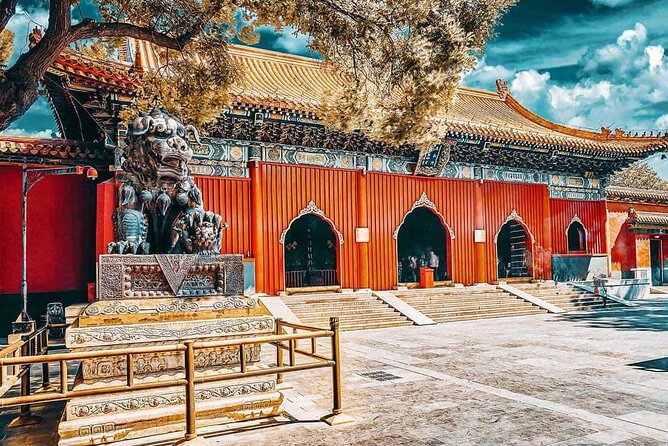
This experience is built around one destination: the Lama Temple (Yonghegong). The site sits in the northeast of Beijing, and it’s described as one of the largest and most important Tibetan Buddhist temples in the world. That’s a big claim, but on a practical level it translates to a lot of meaningful rooms and courtyards you’ll want to move through in the right order.
Here’s how to think about your visit.
The palace-to-temple layout makes the visit easier to follow
Because it was converted from a royal palace into a Tibetan Buddhist temple during the Qing Dynasty by the Qianlong emperor, the spaces tend to feel organized around ceremonial movement. That’s helpful for you: it naturally leads you from one key area to the next, instead of feeling like you’re wandering randomly.
If you’re going unguided, keep your eyes open for how people cluster. Where incense smoke thickens and where visitors pause longest is usually where the most “story moments” are happening.
Buildings aren’t just buildings; they’re used for practice
A major selling point for the guided option is that it explains usage—how each building is used and what religious details you’re seeing. One well-rated guide story specifically highlights explanations of building purposes and subtleties connected to religious treasures, including a big sandalwood Buddha Maitreya mention.
Even if you only get a short time inside certain spots, a guide can help you notice details you might otherwise miss, like why certain areas feel more solemn or more ceremonial.
You can also read our reviews of more guided tours in Beijing
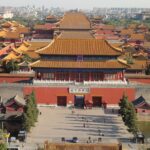
The incense moment is your best “memory anchor”
The incense ritual tip is one of the most useful things you can bring into the temple experience. After passing the portals, you’ll be offered incense sticks. Many people take them and follow the flow of prayer. If you do the same, you’ll get a more grounded memory than just “I walked around a temple.” It’s one of those sensory moments that sticks.
Optional guided service: when English interpretation is worth the extra thought
You can upgrade for a guided service, and the included option promises an English speaking tour guide if you select it. In the feedback, people named guides who delivered clear English explanations and helped them understand Tibetan Buddhism themes and temple details.
Names that came up include Mina, Mike, Kevin, and Jack. The common thread across the strong notes is that the guide doesn’t just point. They explain: histories and how the temple functions, religious details, and practical subtleties like what to look for in important statuary.
That matters for you because Yonghegong is not one single “must-see photo.” It’s a whole complex. With a guide, you can make your time feel earned instead of frantic.
What can be a drawback? Time inside certain areas can be shorter than you expect if the temple is closing early. One person said they would have liked to know the time in the temple was going to be short due to early closure. That doesn’t mean the site is always like that, but it’s a good reminder: if your schedule is tight, plan for the fact that your guided window might not be super long.
Crowds, queue flow, and how to avoid the annoying surprises
Crowds are part of the deal at Yonghegong. The good news is that several people reported queues moving quickly, with no pushing or shoving. The tricky part isn’t just crowds; it’s managing access smoothly.
The biggest practical pain point in the feedback is QR code trouble. A few people reported situations where the QR code was not valid, appeared “fake,” or did not work, leading them to buy a ticket again at the temple. That’s the kind of problem you want to prevent, not solve in the moment.
Here’s the simple approach I’d use:
- Download your QR code ticket early once you receive it (you want it ready on your phone).
- Keep an offline copy if possible, so you’re not stuck re-downloading with a weak signal.
- If something looks off at entry, don’t waste time arguing with your screen. Move to the help channel provided by the operator.
If your QR code works cleanly, the pre-paid ticket system can feel like a fast lane. One person even said they didn’t have much of a queue thanks to advance prep. But don’t gamble on luck. Treat the QR code as the center of your plan.
Value check: is $7 a deal or is it only worth it with the guide?
On price alone, $7 per person plus the entrance ticket included looks like a straightforward value. If you’re adding the guided service, the decision becomes about how you like to travel.
Here’s how to choose:
- If you want the stories behind the conversion and the meaning behind what you see, the guided option can be the difference between a nice outing and a memorable one.
- If you prefer self-guided wandering and you already know what Tibetan Buddhist temples tend to emphasize, you might decide the entry ticket is enough.
One caution from the experiences shared: a reviewer noted the on-site ticket cost was less than what they paid through the platform, so pre-booking felt less useful for them. That doesn’t automatically mean it’s always overpriced, but it does mean you should sanity-check the total you’ll pay versus the on-site price you might see in yuan at the gate.
Also, if you’re the sort of traveler who values smooth entry above everything, choose the option that gives you the most reliable QR access support. Several positive notes mention QR codes working well and arriving in time.
When the spiritual moments hit: incense, prayer, and the big Maitreya reference
Some temple experiences are all architecture. Yonghegong has at least one more layer: the ritual atmosphere.
The strongest practical memory cue from the feedback is the incense ritual. People are offered incense sticks after passing portals. If you take them, you’ll understand the behavior instead of just watching. It’s also an easy way to shift from “tour mode” into “temple mode,” even if you don’t speak the language.
Another memorable detail mentioned: a very large Buddha, described as 18m high and connected with Maitreya. Even if you don’t memorize every name, spotting a huge statue like that makes the visit feel anchored to something bigger than small decorative details.
Getting there and moving around: the basics you can count on
The experience notes that the location is near public transportation, which is helpful because you won’t need a complicated plan to reach the temple. A short travel day like this works best when you can avoid transfers and keep your time for the site itself.
In terms of logistics, you’re looking at a 1-day visit (approx.) built around a single stop. That structure is great if you want a focused day in Beijing without stacking multiple “big ticket” attractions.
Also, confirmation is received at booking, and the tickets are sent 5 days before the travel date. That means you’ll have time to prepare your QR code, which matters because it reduces stress.
Who this experience suits best (and who might skip it)
I’d recommend this option if you want a culturally meaningful temple visit in Beijing with minimal hassle.
It’s a good fit for:
- First-time visitors who want an easier entry with an English guide option
- Travelers who like to learn what they’re seeing, not just take photos
- People planning a day around other nearby sights, since Yonghegong is close to key central areas
You might rethink it if:
- You’re trying to travel as cheaply as possible and you don’t want to pay extra beyond on-site entry
- You tend to arrive last-minute and hate QR/phone-based tickets (a few people had issues and had to buy again)
- Your schedule is tight and you’re worried about early closure cutting your time inside
Should you book this Lama Temple ticket with optional guide?
If you want an easy way into Yonghegong and you’re even a little curious about Tibetan Buddhist temple details, I think booking makes sense. The entrance ticket is included, the guide option can help you understand the buildings and religious emphasis, and the best-rated experiences highlight strong English explanations and clear context.
Just don’t treat it like a magic ticket that removes all risk. Make sure you have your QR code downloaded and ready well before you go. If it works, you’ll likely enjoy a smooth entry and a memorable incense-and-prayer atmosphere. If it doesn’t, you’ll want the operator’s help channel available so you’re not stuck at the gate.
If you’re the “show me what to look for” type of traveler, the optional guided service is the smartest way to get value out of a complex site.
FAQ
How long is the Lama Temple visit?
The experience is listed as lasting about 1 day, focused on a single stop at the Lama Temple (Yonghegong).
Is the entrance ticket included?
Yes. The entrance ticket for Lama Temple is included with the experience.
Do I get an English-speaking guide?
You can select the optional guided service. If you choose it, the experience includes an English speaking tour guide.
When will I receive my tickets?
Tickets are sent 5 days before your travel date.
Is this a private group?
Yes. It’s described as a private tour/activity, meaning only your group will participate.
Is the meeting area easy to reach using public transport?
Yes. The experience notes that it is near public transportation.
Can I get a refund if I cancel?
Yes. You can cancel up to 24 hours in advance for a full refund, based on local time.
What if the visit is cancelled due to weather?
One cancellation situation due to weather was discussed in the experience feedback, and the response indicated full refund through the platform was possible when attractions closed due to weather.