REVIEW · BEIJING
Beijing: Imperial Cuisine Experience & Cultural Performance
Book on GetYourGuide →Operated by PidanTravelAgency · Bookable on GetYourGuide
Royal banquets, played out in real time.
The Yuxiandu Imperial Cuisine Museum turns Chinese imperial food into a two-part experience: museum-style storytelling about court cuisine, then a dinner designed to feel like you’re seated with royalty. I love the way it traces the evolution of imperial cooking across five millennia, and I also like that the menu is built from iconic court dishes rather than modern “inspired by” tweaks. One drawback to think about: it’s largely a set menu with an organized schedule, so it’s not the best fit if you want total freedom to wander and snack your own way.
In practical terms, the museum sits in Beijing’s Haidian District near Sijiqing Bridge, and it’s recognized as a national AAA-level attraction—good odds the facilities and service are handled with care. The second half of the evening leans into spectacle too: you get a cultural performance alongside the meal, with traditional music, dance, and period-style staging that helps connect the food to the broader court world. If you’re hoping for a quiet, small-gallery museum vibe only, this one feels more like a complete night out.
Because the timing is tight, you’ll want to plan your arrival around the check-in windows. For lunch, tickets are checked at 11:38 AM and the show starts at 12:10 PM; for dinner, check-in is 6:28 PM and the performance begins at 6:50 PM. Build in a few minutes for queues and seating so you’re not rushed right when the meal is about to start.
In This Review
- Key Highlights You’ll Actually Feel
- Yuxiandu in Haidian: where the court story starts
- Museum galleries: how a thousand artifacts explain imperial meals
- Your palace-style dinner: the set menu you’ll want to notice
- The cultural performance: costume, music, and court theater at set times
- Price and value: is $137 worth the full package?
- Timing and seating: beat the clock at 11:38 and 6:28
- Who this fits best (and who should skip it)
- Should you book the Beijing Imperial Cuisine Experience?
- FAQ
- What does the experience include?
- Where is the Yuxiandu Imperial Cuisine Museum?
- How long does the experience take?
- What time does the performance start for lunch?
- What time does the performance start for dinner?
- What dishes are on the meal?
- Are traditional costumes and makeup transformation included?
- Is the experience wheelchair accessible?
- How do I get my actual ticket?
- Can I cancel, and how much notice is required?
Key Highlights You’ll Actually Feel
- Five-thousand-year arc of royal cooking, mapped through artifacts, utensils, and historical documents
- A palace-style dining room where the menu is treated like court cuisine, not just dinner
- Signature dishes like roast duck with jujube wood and longevity noodles with poached eggs
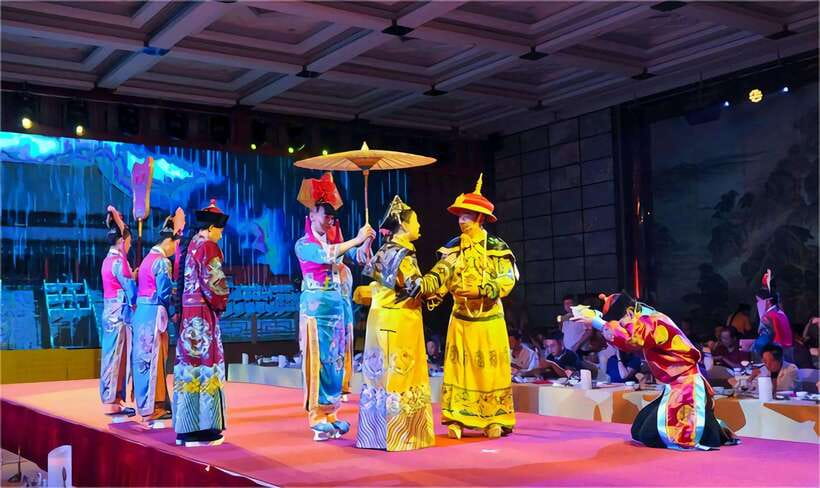
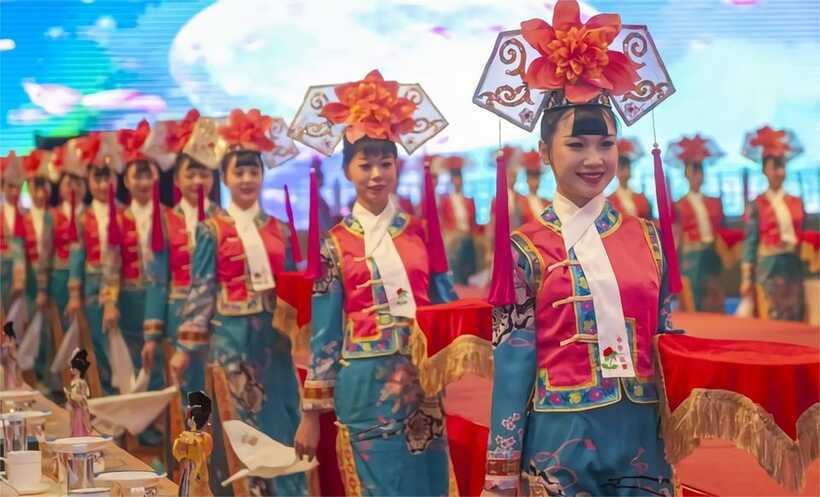
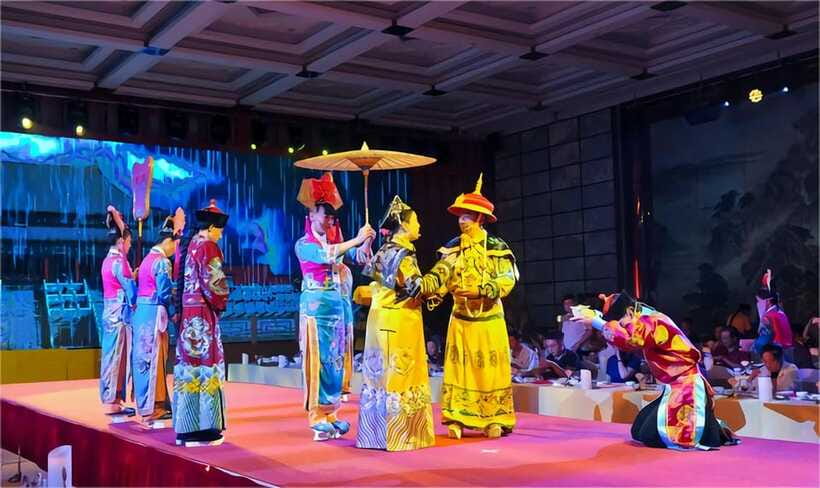
- Included cultural performance with traditional costumes, music, and dance tied to the imperial theme
- National AAA-level attraction standards that reduce the “will this be chaotic?” worry
- Clear fixed timing (11:38 AM / 6:28 PM check-in), which keeps the whole event moving smoothly
Yuxiandu in Haidian: where the court story starts
The experience is built around one idea: imperial cuisine isn’t just food—it’s status, ritual, and storytelling, all served at the table. At Yuxiandu, you start in a museum setting that frames what you’re about to eat. The location in Haidian District near Sijiqing Bridge makes it a practical add-on for a Beijing day that isn’t only about the biggest city sights.
I like that the museum portion isn’t vague. You’re shown how court dining changed over time—what was valued, what was served, and how imperial tastes reflected the dynasties that shaped them. You’ll also see the museum described as having over a thousand precious historical items. Even if you don’t read every caption, the presence of utensils and documents signals that this isn’t just a themed restaurant trying to sell dinner; it’s meant to explain a tradition.
One more smart point: this museum is recognized as a national AAA-level tourist attraction, which usually translates to less guessing. In other words, you’re not walking into something that feels half-finished or loosely managed. That matters because the evening includes both dining and a performance, and those work best when the flow is planned.
You can also read our reviews of more tours and experiences in Beijing.

Museum galleries: how a thousand artifacts explain imperial meals
The core museum concept is the evolution of Chinese royal cuisine over five millennia, moving from ancient periods to later dynasties and reaching the Qing era. You don’t just get general “royal food facts.” You get an illustrated timeline approach built from physical objects—dining tools and precious historical documents.
This is where the experience becomes more than “eat and watch a show.” Court cuisine historically carried rules: how dishes were prepared, how they were presented, and what kinds of ingredients signaled refinement. The museum format helps you pick up those cultural signals so your dinner lands with more meaning.
You’ll also see the museum introduce well-known imperial dishes and the chefs connected to them across Chinese history. The point isn’t to memorize names—it’s to understand that imperial menus were tied to specific skills and court preferences. If you like food history that actually connects to your plate, this part does the job.
Your palace-style dinner: the set menu you’ll want to notice
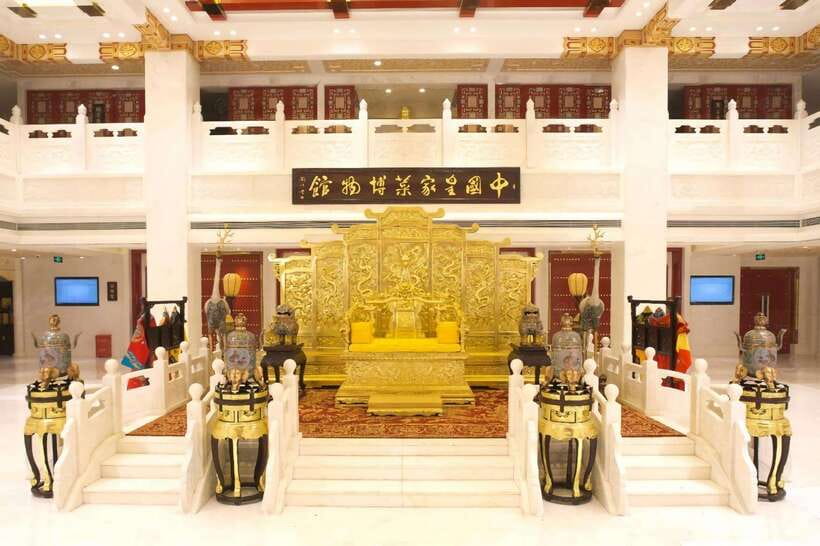
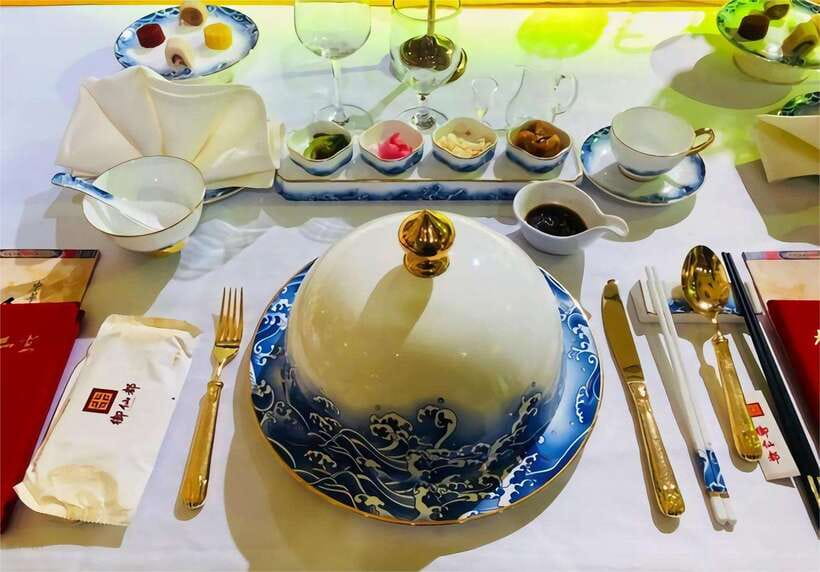
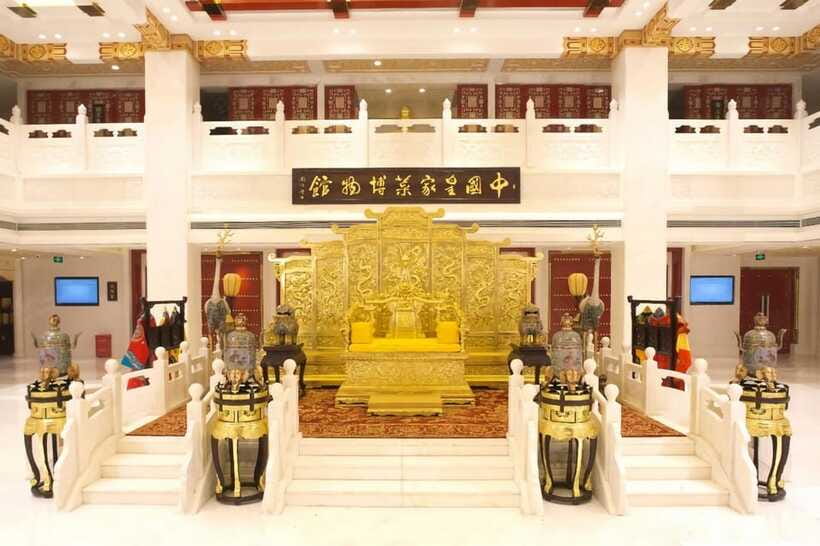
Your meal is the centerpiece, and it’s built to replicate the sumptuous style associated with imperial dining. The restaurant design mirrors an ancient palace setting, so you’ll feel like you’re dining in a staged court environment—formal, ceremonial, and intentionally theatrical.
The menu is fixed, and that’s important. You’ll be eating a sequence that includes snacks and appetizers plus main dishes and dessert-like items. From the menu, here’s what you can expect:
- Appetizer platter
- Braised sea cucumber with fish maw in casserole
- Marinated tofu and bamboo shoots
- Roast duck with jujube wood
- Chinese cabbage in soup
- Roasted lamb
- Longevity noodles with poached eggs
- Deep-fried dough sticks (youtiao) with milk
- Yoghurt filled with honey
A few notes on how to think about these dishes while you’re eating:
First, the spread is designed to show range. You’re not just getting one protein and a bland side. There are seafood and rich braises (sea cucumber and fish maw), plant-forward items (tofu and bamboo shoots), and classic banquet staples (roast duck). That mix is part of the storytelling: imperial banquets aimed for variety in texture, richness, and seasonal-style ingredients.
Second, roast duck with jujube wood is the kind of detail that signals a specific cooking method rather than a generic roast. It’s exactly the sort of dish that makes the dinner feel tied to craft and ritual, not just flavor.
Third, the longevity noodles concept is playful but meaningful. Longevity-themed foods are common in Chinese dining culture, and the addition of poached eggs adds a soft, comforting element after richer courses. Then you get youtiao with milk and dessert-like yoghurt with honey—sweet-salty, creamy, and very much in the banquet tradition.
If you’re the type who reads the menu and likes to connect each item to a story, you’ll enjoy this more than someone who just wants speed. The upside of a set menu is that you don’t have to decide. The tradeoff is that you don’t customize.
The cultural performance: costume, music, and court theater at set times
The performance is included, and it’s part of the event rhythm rather than a separate add-on you might miss. You’ll be seated with your meal in progress, and then the show begins at a scheduled time after ticket checking.
For lunch, ticket checking is at 11:38 AM with the performance starting 12:10 PM.
For dinner, ticket checking is at 6:28 PM and the show begins 6:50 PM.
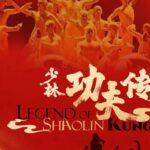
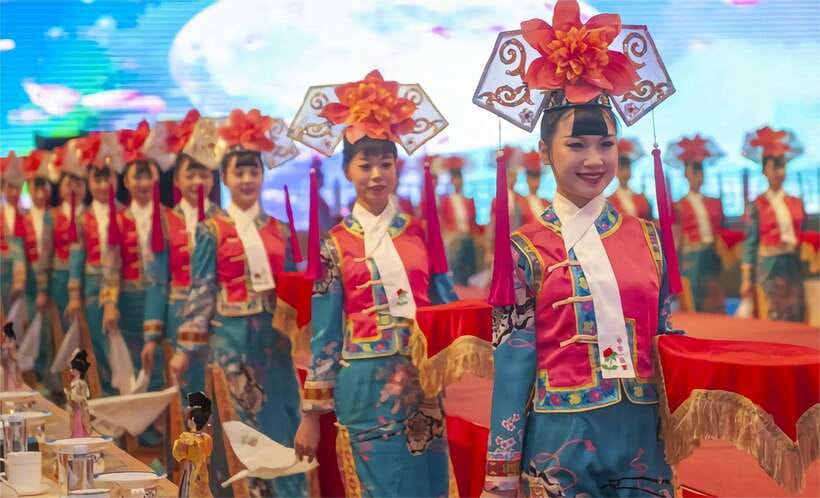
From the description and what people tend to highlight, the performance uses traditional costume styling, music, and dance, with lots of color and stage energy. The goal isn’t subtle background entertainment. It’s meant to bring the imperial theme to life, so the evening feels like a full cultural package: heritage, food, then theater.
One practical consideration: because the show has a fixed start time, you’ll want to be present in the hall when the performance begins. Don’t plan to take long photos after check-in unless you’re already seated.
Price and value: is $137 worth the full package?
At $137 per person for a 3–4 hour experience, the value question comes down to one thing: you’re paying for a bundle—museum atmosphere, a full meal with multiple courses, plus the performance.
If you tried to assemble this on your own in Beijing—museum-style education, then a banquet meal, then a cultural show—costs and logistics would likely become a patchwork. Here, it’s all stacked into one ticketed block. That’s what justifies the price more than any single dish.
Also, the museum’s official national AAA-level attraction status signals a certain level of operational polish. And that matters for value, because the night has moving parts: seating, meal service, then a timed performance. When those flow well, you don’t lose time hunting for the right room or waiting around.
The main reason I’d hesitate for some people is also simple: it’s not a budget meal, and it’s not a flexible dining experience. If you hate set menus, or if you’re traveling for “choose-your-own” food crawling, this might feel too structured.
But if you want one ticket that delivers a themed cultural evening and you like tasting court-style dishes, it’s a strong match.

Timing and seating: beat the clock at 11:38 and 6:28
The schedule is straightforward but firm. You’ll have two key moments:
- Check-in time for lunch: 11:38 AM
- Show start for lunch: 12:10 PM
- Check-in time for dinner: 6:28 PM
- Show start for dinner: 6:50 PM
I’d treat those check-in times like your real start time. Arrive a few minutes early so you can get seated without anxiety. The experience itself is designed to run as one unit, so once service begins, it’s not a great moment to be late.
Also, keep an eye on what actually counts as your ticket. The QR code you get after booking isn’t your real admission code. Your real ticket is sent by email, and you should check your inbox for details before you leave. It’s the kind of small thing that can become a big hassle if you find it out at the door.
Who this fits best (and who should skip it)
This experience is ideal if you fall into one of these categories:
- You want a food-and-culture night where the meal connects to history rather than sitting beside it.
- You enjoy performances that use traditional music and dance, especially when they match the theme you’re experiencing.
- You like set menus when the menu is thoughtfully built, not random filler.
It’s less ideal if you want a fully independent museum stroll, or if you’re traveling with very young kids. The experience isn’t suitable for children under 2 years, and because the event follows a fixed program, it can be harder to adapt to restless little ones.
If you have strong preferences about food textures, heat levels, or ingredients, you’ll want to read the menu carefully first since the meal options are not described as customizable. The menu includes richer items like braised sea cucumber with fish maw and roasted lamb, so this is a “court banquet style” meal, not a light snack.
Should you book the Beijing Imperial Cuisine Experience?
Book it if you want a single, well-packaged evening in Beijing that combines court cuisine storytelling + a full royal-style meal + a cultural performance. The five-millennia museum concept plus the specific menu items make it feel like more than just “dinner with a show.”
Skip it if you’re chasing variety through choice and spontaneity, because this is structured around a fixed timeline and a set menu. Also skip if a performance inside a scheduled hall isn’t your thing; you’ll still have the museum and meal, but the show is part of the event design.
For most visitors who want an organized, themed cultural experience with clear timing, I think it’s a solid bet—especially at a 4.7/5 overall rating based on six bookings.
FAQ
What does the experience include?
You get a meal and a performance as part of the experience.
Where is the Yuxiandu Imperial Cuisine Museum?
It’s in Beijing’s Haidian District near Sijiqing Bridge.
How long does the experience take?
Plan for 3–4 hours.
What time does the performance start for lunch?
For the lunch option, ticket checking is at 11:38 AM and the performance starts at 12:10 PM.
What time does the performance start for dinner?
For the dinner option, ticket checking is at 6:28 PM and the show begins at 6:50 PM.
What dishes are on the meal?
The menu includes items such as appetizer platter, braised sea cucumber with fish maw, marinated tofu and bamboo shoots, roast duck with jujube wood, Chinese cabbage in soup, roasted lamb, longevity noodles with poached eggs, deep-fried dough sticks with milk, and yoghurt filled with honey.
Are traditional costumes and makeup transformation included?
No. Traditional costume and makeup transformation are not included.
Is the experience wheelchair accessible?
Yes, the experience is wheelchair accessible.
How do I get my actual ticket?
The QR code from your booking platform order is not your real ticket. Your real ticket is sent to you by email, so check your inbox.
Can I cancel, and how much notice is required?
Free cancellation is available up to 24 hours in advance for a full refund.