REVIEW · BEIJING
Beijing: Confucius Temple and the Impercial College E-ticket
Book on GetYourGuide →Operated by PidanTravelAgency · Bookable on GetYourGuide
Stone exams meet quiet temple courtyards. This 1-day e-ticket takes you through Beijing Confucius Temple and Guozijian (Imperial College), with Yuan-era architecture and exam history all in one walk. I especially like how the site layout lets you bounce between teaching, worship, and scholarship without getting lost.
What I really enjoy is the chance to connect the buildings to the system behind China’s Imperial Examination, including stone tablet records of Jinshi outcomes. One thing to consider: it is a ticketed self-guided visit, so you’ll want to read signs closely (or grab an audioguide at the entrance) if you want deeper context.
In This Review
- Key highlights at a glance
- Confucius Temple and Imperial College in one day
- The left-temple right-college layout makes the visit easier
- Beijing Confucius Temple: gates, halls, and the Imperial Examination link
- The central axis you can follow without a guide
- The stone tablets: 198 records and 51,624 Jinshi entries
- Inside the Confucius Temple exhibitions: what to watch for
- Guozijian (Imperial College): the state-run education machine
- Courtyards and an axis that explain the institution
- Pavilions and symmetry that keep the focus on learning
- What the e-ticket experience changes for you
- A small planning choice that pays off
- Group size and how it feels
- Price and value: why $7 can be a smart buy
- Timing, tickets, and what to bring for a smooth entry
- Who this experience fits best
- My practical take: how to get more out of your walk
- Should you book this Confucius Temple and Imperial College e-ticket?
- FAQ
- What is included in the experience?
- How much does it cost?
- How long is the visit valid for?
- What do I need to bring for entry?
- How do I enter the attraction?
- Is the ticket time-restricted?
- Can I cancel?
- Is it wheelchair accessible?
Key highlights at a glance
- QR code + passport/ID entry for fast access
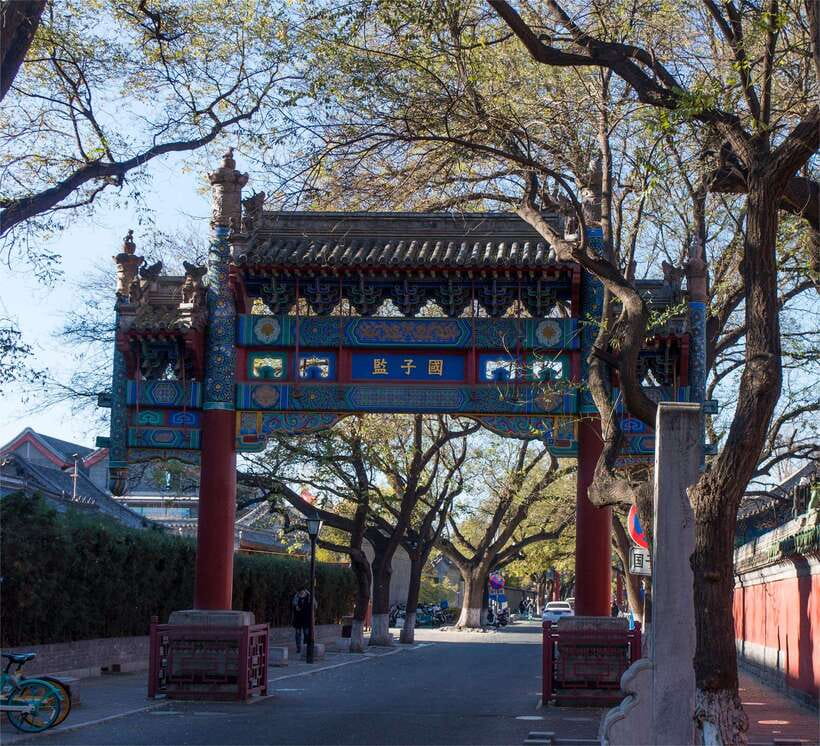
- Confucius Temple built in Yuan Dade (1306) and used for ceremonies for centuries
- 198 stone tablets tied to the Imperial Examination
- 51,624 Jinshi names carved on stone records
- Three-exhibition lineup inside the Confucius Temple area
- Guozijian built in Zhida (1308) as the state-run education organ
Confucius Temple and Imperial College in one day
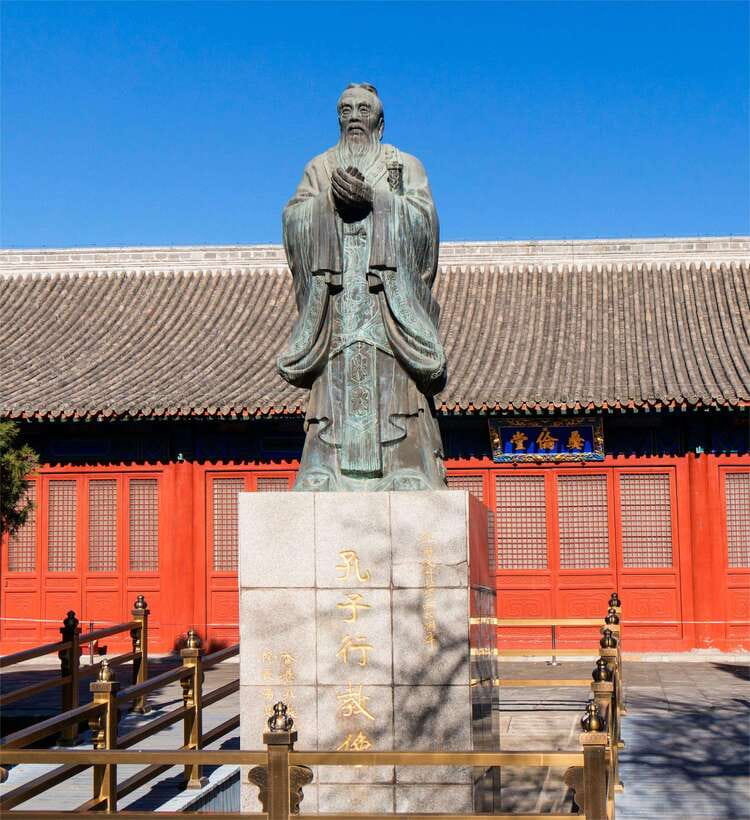
Beijing has a way of layering eras on top of each other. At Confucius Temple and Guozijian, you get Yuan dynasty planning plus later Ming and Qing influence, all mapped along careful courtyards and an axis you can actually follow.
If you like cultural sites where the setting and the theme match, this one works. You’re not just looking at pretty gates—you’re walking through a space built to honor learning, rituals, and academic status.
You can also read our reviews of more tours and experiences in Beijing


The left-temple right-college layout makes the visit easier
These two groups of buildings follow a classic rule: temple on the left, college on the right. That matters because it keeps your mental map simple as you move from the worship and memorial side into the education system side.
Practical tip: pick a direction at the start and stick with it. Since both areas run along a central north-south axis, once you understand the main spine, you’ll spend less time backtracking and more time actually reading what’s in front of you.
Beijing Confucius Temple: gates, halls, and the Imperial Examination link
The Beijing Confucius Temple dates to the Yuan dynasty, built in the 6th year of Emperor Dade, around 1306. It covers over 22,000 square meters with a construction area of about 7,400 square meters, arranged around three courtyards.
This place was more than a single-season shrine. It was where memorial ceremonies for Confucius were held across the Yuan, Ming, and Qing dynasties, so the site carries a long rhythm of public ritual and official recognition.
The central axis you can follow without a guide
On the main south-to-north axis, you’ll typically encounter the big sequence of spaces: Teacher Gate, Dacheng Gate, Dacheng Hall, and then Chong Sheng Temple.
That axis approach is useful. When you feel oriented, the details land better—like why certain halls are treated as “main,” and why the route feels intentionally ceremonial.
The stone tablets: 198 records and 51,624 Jinshi entries
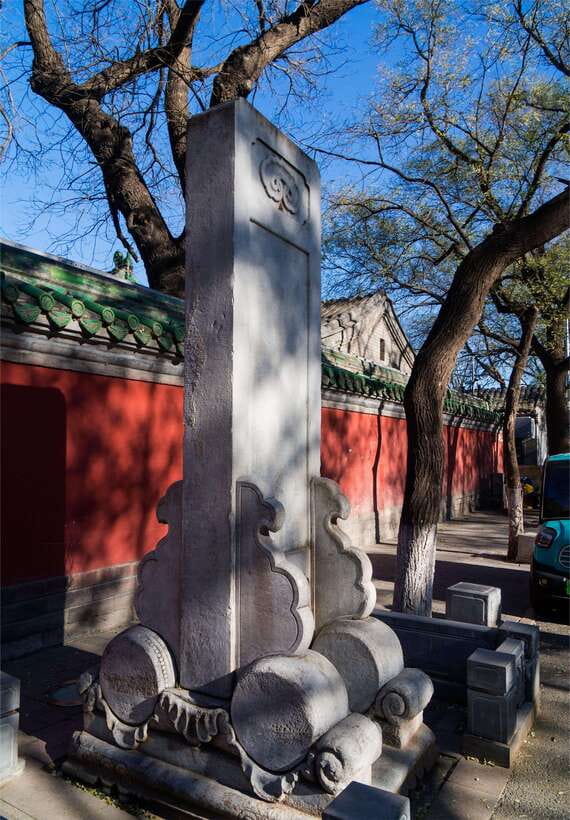
Here’s the part that makes this visit feel unusually concrete. There are 198 stone tablets, grouped into four sections, placed on either side of the front courtyard.
The most striking detail is the carving count: 51,624 names, including birthplaces and ranks of Jinshi. In plain terms, these stone records connect the temple setting to the real-world results of the Imperial Examination.
If you’re the type who likes to understand how a culture worked—not just what it valued—this is a standout. You can walk the formal courtyard and then see evidence of who rose through the exam system.


Inside the Confucius Temple exhibitions: what to watch for
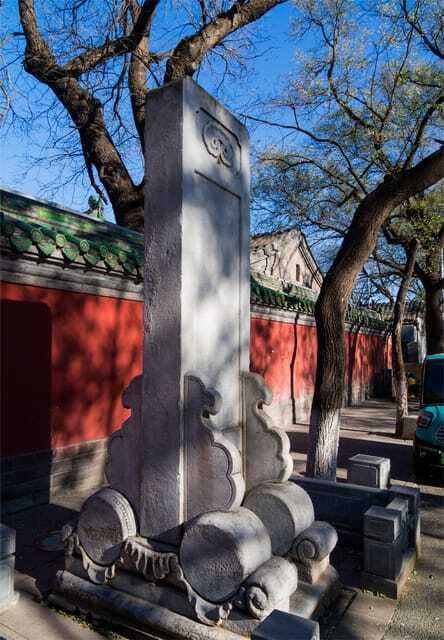
Right now, the Confucius Temple area includes three exhibitions. They’re a smart pairing with the architecture, because they help you decode what you’re seeing instead of letting it stay vague.
The exhibits listed are:
- Exhibition of the Restored Dacheng Hall
- Exhibition of the Great Confucius
- Exhibition of the History of Beijing Confucius Temple
If you want the best value out of your limited time, spend your first stop learning what the halls were meant to do, then circle back to read the building details with that new lens.
Also, you might find an audioguide option available at the entrance. That can help if you prefer narration while you walk, especially when signage is dense or you want less reading.
Guozijian (Imperial College): the state-run education machine
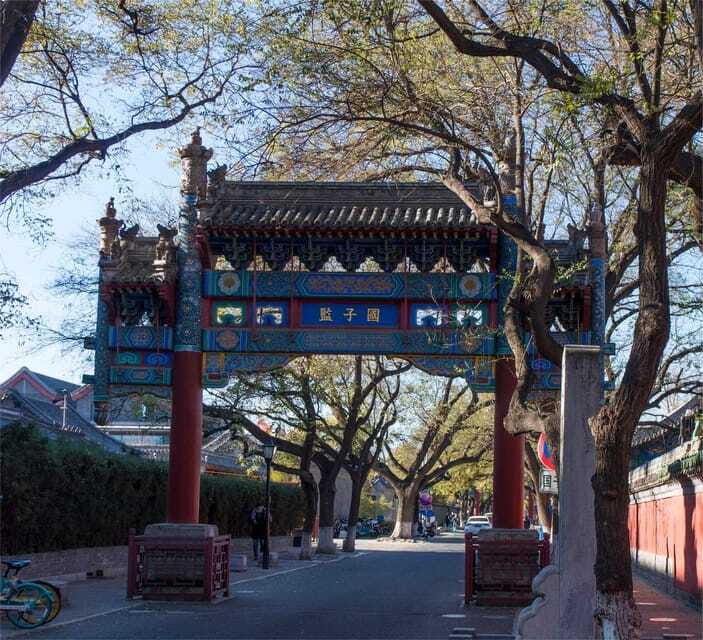
On the right side sits Guozijian, the highest educational institution and an administering organ for education during the Yuan, Ming, and Qing eras. It was built in the Yuan dynasty, in the first year of the Zhida reign (around 1308).
Guozijian covers about 28,000 square meters and also uses three courtyards. The space feels more “institutional” than the temple area, even though both are built with the same careful, symmetrical mindset.
Courtyards and an axis that explain the institution
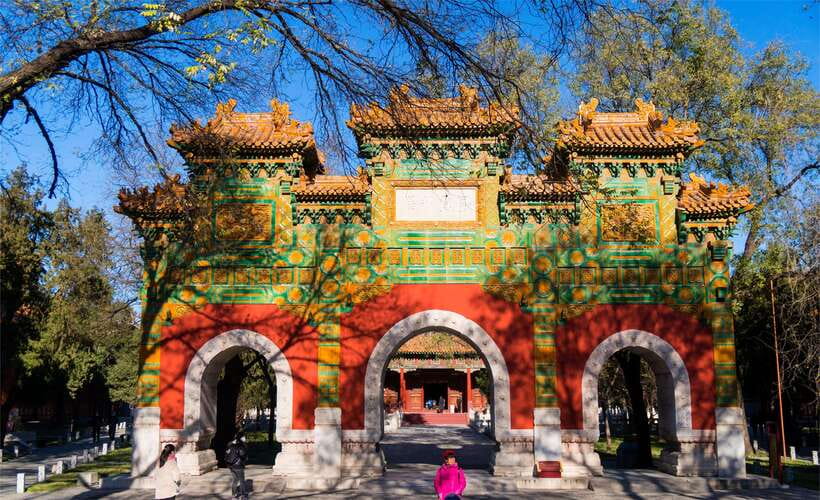
Along the central axes, you can track the route through major gates and halls, including Jixian Gate, the Taixue (Imperial College) Gate, the Glazed memorial Arch, then Biyong Hall, Yilun Hall, and Jingyi Hall.
Notice the sequence: it reads like a planned curriculum of spaces—approach, entrance, ceremony, study, and official functions. Even if you’re not fluent in history, the arrangement teaches you how the institution was meant to operate.
Pavilions and symmetry that keep the focus on learning
Two halls and six main rooms are part of the traditional structure, with features like the Imperial tablet Pavilion and the Bell and Drum Pavilion lined traditionally and symmetrically beside the central axes.
That symmetry isn’t just visual. It reinforces the message that education and legitimacy followed strict order, not random chance.
What the e-ticket experience changes for you
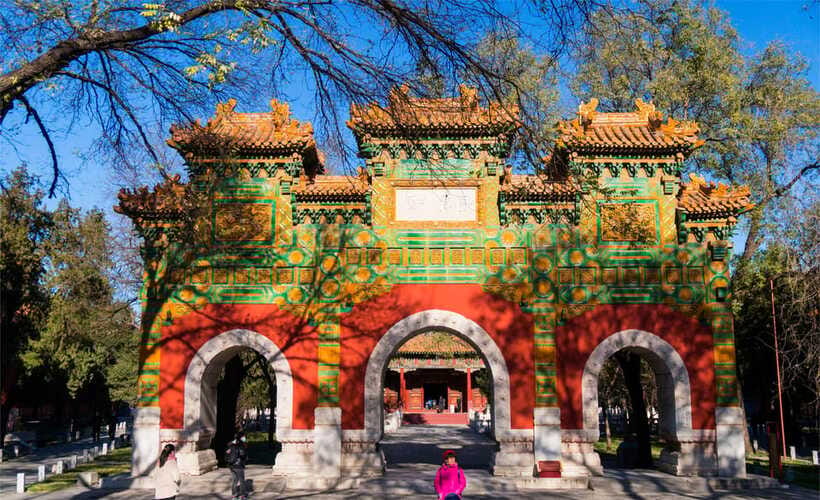
This is a tourist attraction ticket experience focused on entry and time on site, not a long guided program. The value is in how efficient it is.
You can use the QR code and passport to enter with your original passport and electronic tickets. That’s a big deal on busy days, because you’re not hunting for paperwork or waiting at a standard ticket counter.
The ticket also includes skip the ticket line, which can save a surprising amount of time—time you can put back into the courtyards and exhibitions instead of standing around.
A small planning choice that pays off
Because your time is limited to the valid 1 day window, I’d treat the visit like this:
1) pick which area you want to lean into more (temple vs. college)
2) use the exhibitions as your context anchors
3) then do a slow second pass through the main axis spaces
Even without a formal itinerary, that approach keeps you from rushing the “main” moments and missing what you came for.
Group size and how it feels
It’s described as a private group. That usually means you can move at your own pace rather than feeling shoved into a faster group rhythm, which matters for sites like this where details are the point.
Wheelchair accessibility is listed too, so the grounds are planned with access in mind. You’ll still want comfortable shoes for courtyards and walking time, but the site is at least designed for broader access than some older city attractions.
Price and value: why $7 can be a smart buy
At $7 per person, this ticket is priced like an access pass, not a full-day premium tour. That’s good news if you want the core experience: buildings, exhibitions, and the ability to get inside quickly.
The value comes from several add-ons that affect your day:
- QR + passport entry (less friction)
- skip the ticket line
- exhibitions included at the Confucius Temple area
- coverage of both Confucius Temple and Guozijian
If you’d otherwise pay full price at the gate and then lose time queuing, you’re buying back your own energy. In a city with heavy crowds, that’s not a small perk.
Timing, tickets, and what to bring for a smooth entry
Be ready with what the site requires. Bring your passport or ID card, and use your electronic ticket along with the QR code.
You’ll enter with the original passport (not a photo). If you keep your passport in one predictable place in your day bag, entry tends to feel calmer.
Another practical move: charge your phone and keep your screen brightness up. The QR code step is fast when your device cooperates, and it gets annoying when it doesn’t.
Language-wise, cancellations are offered and the system is set up for flexibility, but your day will mostly be about being ready at the gate and then focusing on the architecture and exhibitions.
Who this experience fits best
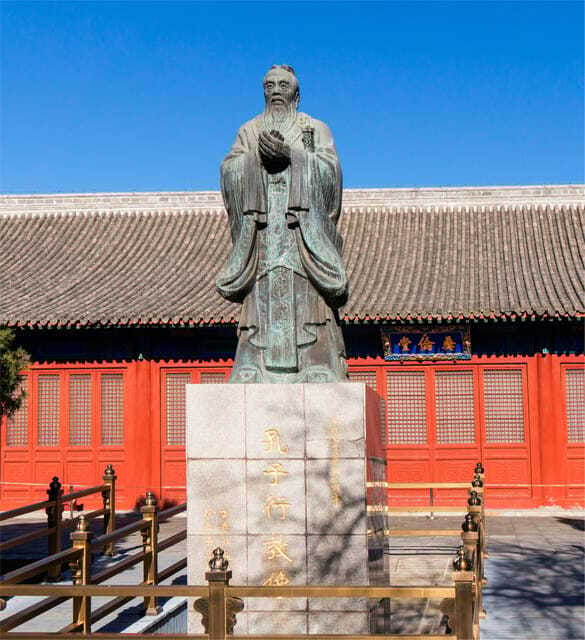
I’d point you here if you like any of these:
- Imperial Examination history and how it shaped status
- Chinese classical architecture and courtyard design
- cultural visits where the site itself teaches you the theme
- a calm, self-paced day instead of a sprint with constant stops
It might be less satisfying if you want a highly interactive workshop or a very structured multi-stop guided day. This experience shines when you’re happy to read signs, use exhibitions for context, and walk the axis at your own speed.
My practical take: how to get more out of your walk
You’ll get more from this visit if you treat it like a story with two chapters.
For Confucius Temple, focus first on the “why” behind the ritual spaces. Then let the stone tablets pull you from worship into real-world scholarship and exam outcomes.
For Guozijian, focus on the “how” behind education. Follow the main route and notice the institutional pacing—gates, halls, and the symmetrical support structures.
Finally, if you want an extra layer without overthinking it, consider using an audioguide option at the entrance. It’s a simple way to turn signage into a smoother narrative while you walk.
Should you book this Confucius Temple and Imperial College e-ticket?
Yes, if you want an efficient, ticket-based way to see two major education-and-ritual landmarks in Beijing without wasting time on lineups. The $7 price feels fair because you’re getting access plus the key exhibitions tied to the spaces, including the exam-connected stone tablet story.
Book it especially if you like self-paced cultural time. You’ll walk through three courtyards at Confucius Temple, see the exam-era records tied to Jinshi outcomes, then switch over to Guozijian for the state education perspective—one day, clear theme, and a layout that helps you navigate on your own.
FAQ
What is included in the experience?
It includes a tourist attraction ticket for the Confucius Temple and the Imperial College area.
How much does it cost?
The price is listed as $7 per person.
How long is the visit valid for?
The ticket is valid for 1 day.
What do I need to bring for entry?
You should bring your passport or ID card.
How do I enter the attraction?
Use the QR code and your original passport/electronic ticket to enter.
Is the ticket time-restricted?
Yes, it’s valid for 1 day, and you can check starting times based on availability.
Can I cancel?
Free cancellation is available up to 24 hours in advance for a full refund.
Is it wheelchair accessible?
Wheelchair accessibility is listed as available.