REVIEW · BEIJING
6-Day Small Group Beijing Xi’an Tour
Book on Viator →Operated by Travel China Guide · Bookable on Viator
Two cities, one whirlwind of history. I loved the Mutianyu Great Wall walk with its guard towers and cable-car ride, and I also liked how the Beijing core covers Forbidden City plus Tiananmen Square and the Temple of Heaven in a tight, guided flow. One drawback: six days moves fast, so you need comfortable shoes and patience for crowds and transit.
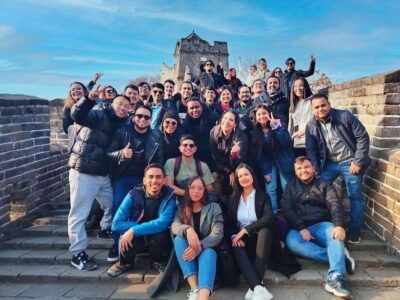
With a maximum of 18 people, you’re not stuck waiting for the group forever. The tour is led by professional English-speaking guides, and the guide names that show up in prior feedback include Kevin and Tracy (Beijing and Xi’an), plus Maggie, Selina, John, Barry, Candy, and Lily across different departures—useful if you care about how smooth the timing feels.
In This Review
- Highlights at a Glance: What You’ll Really Remember
- The Big Picture: Beijing and Xi’an in Six Days
- Day 1 to Day 2 in Beijing: Airport Meet-Up and UNESCO Core
- Forbidden City Plus Temple of Heaven Day: Great With a Guide, Harder Without
- Day 2 Evening: The Red Theater Acrobatics Show
- Day 3 in Beijing: Mutianyu Great Wall With Cable Car and Guard Towers
- Hutongs by Rickshaw: How to Make This Part Feel Real
- Day 4: Summer Palace and the Fly to Xi’an
- Day 5 in Xi’an: Terracotta Warriors, Big Wild Goose Pagoda, and Dumplings
- Day 6 in Xi’an: City Wall Park, Tai Chi Moment, and the Muslim Quarter
- Price and What You’re Actually Paying For
- Who This Tour Fits Best
- Should You Book This Beijing and Xi’an Tour?
- FAQ
- How do you start the tour in Beijing?
- What travel is included between Beijing and Xi’an?
- Are entrance fees and guides included?
- What meals are included?
- What shows and performances are included?
- Is this tour accessible for wheelchair users or older travelers?
Highlights at a Glance: What You’ll Really Remember
- Mutianyu Great Wall walk plus cable car, with dramatic views and guard-tower scenery
- Beijing UNESCO trio: Tiananmen Square, Forbidden City, and Temple of Heaven, all guided in sequence
- Hutongs by rickshaw and a chance to see daily life off the main tourist roads
- Two performance nights: an acrobatic show in Beijing and a Tang Dynasty music-and-dance show with dumpling dinner in Xi’an
- Xi’an UNESCO hits: Terracotta Warriors and Big Wild Goose Pagoda, plus time in the city-wall area
- No shopping-detour style day waste, with fewer factory/tea stops
The Big Picture: Beijing and Xi’an in Six Days
This tour is built for people who want the headline sites without the solo-planning headache. You get five nights of accommodation on a twin-share basis, an English-speaking guide, air-conditioned bus transport, and entrance fees to the included sights. You also get the practical extras that make group travel easier, like two bottled waters per person per day and a mobile ticket.
The value trick here is that you’re paying for the logistics bundled together. At this price point, the “what’s included” list matters: one-way economy airfare from Beijing to Xi’an, breakfast and multiple lunches, plus a dinner and entrance tickets. If you were trying to piece all of that together yourself, the time and coordination costs add up.
The pace is the tradeoff. You’re seeing a lot of world-famous landmarks. That’s fun, but it also means long days and more waiting-in-line energy. If you like slow mornings and lots of free time, you’ll need to mentally switch to a “committed sightseeing” mindset.
You can also read our reviews of more tours and experiences in Beijing.
Day 1 to Day 2 in Beijing: Airport Meet-Up and UNESCO Core
Your day starts with a straightforward arrival setup. You’re met at Beijing Capital Airport (Shunyi) after customs, then sent to your hotel by driver, with help for check-in. The tour start time is set for 9:00 am, so plan your flight timing accordingly if you don’t want your first day to feel rushed.
From there, Beijing hits with three major stops that define the city’s imperial story:
- Tiananmen Square: you see the grand scale of the biggest city square concept, the kind of place where you immediately understand why it’s used for major national events.
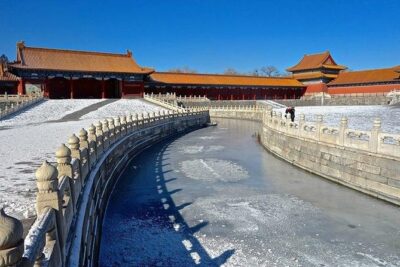
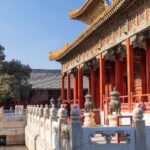
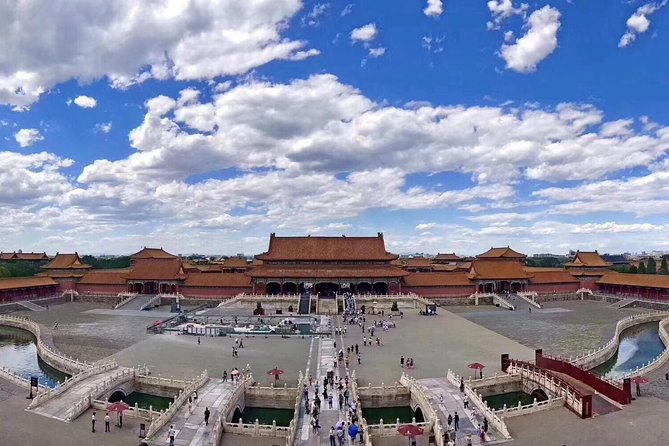
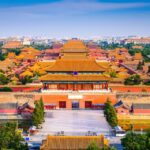
- Forbidden City (Palace Museum): the main question it answers is simple: how did emperors run power day to day, and what did their world look like at street level inside the palace walls?
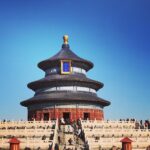
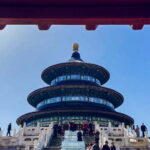
- Temple of Heaven: you shift from political power to spiritual architecture. It’s the place where emperors worshipped the heavens, tied to the hope for good harvests.
What I like about stacking these in one guided sequence is flow. You move from symbolic space (Tiananmen), to the administrative center (Forbidden City), and then to the belief system behind state prosperity (Temple of Heaven). That order helps your brain connect the dots instead of treating each site like a separate photo stop.
A practical note: these are high-demand sites. Even with an organized schedule, you’ll still feel crowds. Go into it ready to stand, walk, and move.
Forbidden City Plus Temple of Heaven Day: Great With a Guide, Harder Without
This is one of the best reasons to book a guided group like this. The Forbidden City alone is huge, and without interpretation it can feel like a lot of buildings with similar roofs. With a guide, you get the big picture: what you’re seeing and why the layout matters.
The Temple of Heaven then adds context. The architecture is unique, and you’ll get more out of it if someone explains what the site was built to do. Think of it as a mental upgrade from sightseeing to understanding.
If your travel style is more “wander and read every plaque,” you might wish there were extra time. The tour gives structured blocks, including about 3 hours for Forbidden City and roughly 1.5 hours for Temple of Heaven. That’s enough to see the highlights, but it’s not a slow museum experience.
Day 2 Evening: The Red Theater Acrobatics Show
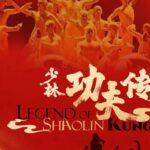
After a full day of palaces and ritual architecture, the acrobatics show is a smart palate cleanser. The tour includes an evening performance at the Red Theater Acrobatic Show (about 1 hour plus travel time as scheduled).
Why this works: it gives you a night activity that’s easy to enjoy even if you don’t follow every detail of the story. You’re seeing physical artistry. And the energy is different from temples and walls, which helps the whole trip feel varied instead of repetitive.
This is also one of those included items that helps you avoid decision fatigue. You already have enough to plan during the day. Let someone handle the show.
Day 3 in Beijing: Mutianyu Great Wall With Cable Car and Guard Towers
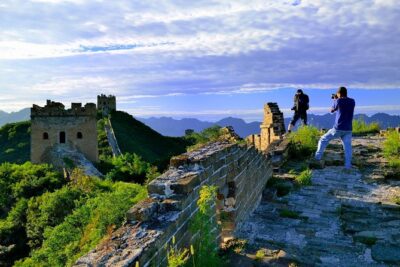
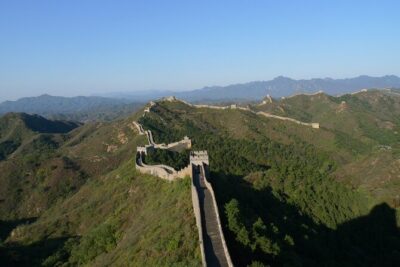
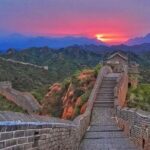
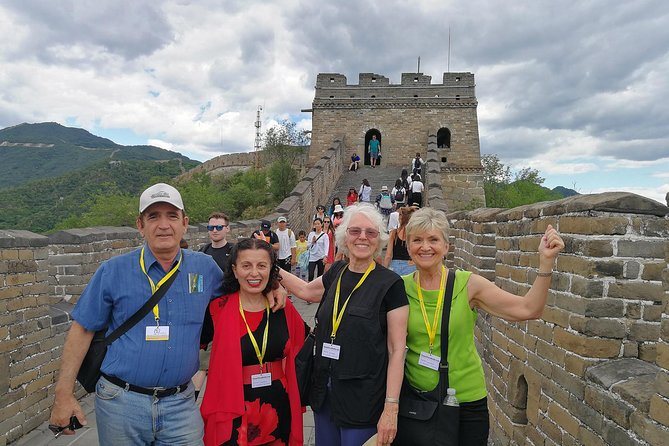
Now for the day that earns its reputation. The tour takes you to Mutianyu Great Wall, specifically noted for being well-preserved, with striking guard towers and classic wall-and-forest views.
Here’s what you can expect:
- You’ll head out in the morning and spend about 3 hours at Mutianyu.
- A round-trip cable car is arranged, which matters. It turns the Great Wall from a pure workout into a more balanced outing, especially if you’re not sure your legs can handle steep sections all day.
- You’ll walk the wall with enough time to enjoy the scenery rather than just quickly pass through.
This is a big reason I’d recommend this itinerary to first-time Great Wall visitors. You get the drama without needing to be a mountaineer.
Then you get a Bird’s Nest (National Stadium) photo stop on the way back, around 15 minutes. Don’t expect a full stadium tour here. It’s more about seeing the famous Olympic structure in the flesh and getting a quick shot.
Finally, you pivot to local texture with:
- A hutong tour by rickshaw (about 1 hour)
- Time to explore old alleyways and, as described in the tour details, a chance to visit a local family
This is the kind of contrast that makes the day memorable: wall views in the morning, living streets in the afternoon.
Hutongs by Rickshaw: How to Make This Part Feel Real
The hutong rickshaw segment is one of the more human parts of the trip. The goal isn’t just a scenic ride. It’s a look at how neighborhoods feel when you’re not on a main tourist boulevard.
When you get a chance to step closer to a local home or everyday setting (as the itinerary notes), take it as a moment to observe respectfully, not to treat it like a staged photo set. Ask questions if your guide opens the door for that, and keep your tone simple: where they shop, how they live, what the alleyways feel like on a busy day.
It also helps you understand Beijing as more than UNESCO. You start seeing it as a place where people still work, eat, and argue about daily life like the rest of us.
Day 4: Summer Palace and the Fly to Xi’an
Day 4 starts with Summer Palace (Yiheyuan), described as the largest existing imperial garden. You’ll spend about 3 hours here.
This is the opposite mood from the Forbidden City. If Beijing’s earlier sites felt formal and rigid, the Summer Palace is more about landscape design and imperial leisure. It’s the place where you can understand how power also liked beauty and calm.
After that, you transition to Xi’an. The tour includes a flight from Beijing to Xi’an, and upon arrival you’ll be escorted to your downtown hotel by a local guide. That’s a practical structure: fewer cross-country overland hours, more time for actual sightseeing.
A quick planning tip: since you’re flying, keep a small bag ready with essentials for the day. You’ll be tired from walking, and airports are not the place to improvise.
Day 5 in Xi’an: Terracotta Warriors, Big Wild Goose Pagoda, and Dumplings
Xi’an Day is built around the big “wow” UNESCO stop first:
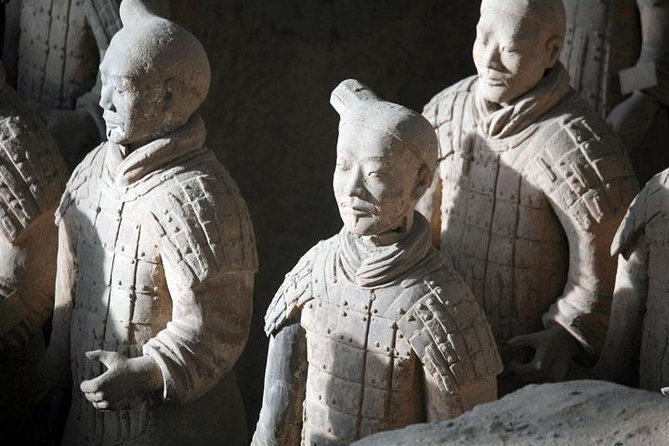
- The Museum of Qin Terra-cotta Warriors and Horses (about 3 hours)
You’ll visit the museum’s excavated pits and see the famous warrior figures and ancient weapons. This isn’t just a statue collection. It’s built to help you feel the scale of the project and the seriousness of Qin-era power.
In the afternoon, you shift into Tang-era spirituality with:
- Big Wild Goose Pagoda (Dayanta) (about 1 hour)
This pagoda was built in the Tang Dynasty to store Buddhist scriptures brought from ancient India. Even if you’re not a religion-history person, the setting and guided explanation help it make sense.
Then you cap the day with culture that doesn’t require deep background knowledge:
- Tang Dynasty music and dance show, paired with a dumpling dinner (about 1.5 hours)
That combination is a strong move. Dinner makes the show feel like a complete evening plan, not just a ticket you attend and leave.
Seasonal note: the tour details say the theater is not open in January, February, and March, which could affect availability depending on your travel month.
Day 6 in Xi’an: City Wall Park, Tai Chi Moment, and the Muslim Quarter
Your final day gives you something different from the high-ticket monuments. You’ll start at Xi’an City Wall (Chengqiang) area, specifically described as a City Wall Park visit (about 2.5 hours). The description includes a chance to observe day-to-day local life, and even the option to practice Tai Chi with the master.
That’s a rare kind of sightseeing: not another ticketed museum stop, but a slice of everyday rhythm. Even if you don’t join the Tai Chi, watching how locals use the space can be the most relaxing part of the whole trip.
Then it’s on to the Muslim Quarter for lunch. The tour notes a special lunch here with local food, about 1 hour.
This is the perfect closing meal area because it’s lively and easy to graze. Just keep in mind you’ll be transitioning toward departure at the end of the day.
Your tour ends with transportation assistance options: you’ll head to the airport or railway station on your own. The guide helps you hail a taxi, and departure schedules vary among group members.
Price and What You’re Actually Paying For
At $1,229 per person, this tour price is best understood as an “all-in logistics bundle,” not just admission tickets.
Here’s what’s included that typically costs extra when you DIY:
- 5 nights of accommodation (twin-sharing)
- Professional English-speaking guides
- Entrance fees for included sites
- Ground transportation in air-conditioned vehicles
- One-way economy flight from Beijing to Xi’an
- Meals: breakfast (5), lunch (3), and one included dinner
- Two bottled waters per day
- Mobile ticket and pickup on Day 1
The itinerary also explicitly says there are no shopping detours, no factory stores, no tea ceremony, and no shopping-site restaurant stops. That matters because it protects your sightseeing time. A lot of China group tours burn hours on places you did not come to see. Here, the trip is structured around real destinations.
The main thing to watch is what’s not included: gratuities for guides and drivers (recommended), China visa fees, international flights, and airport drop-off service in Xi’an on Day 6. If your departure is tight, you’ll want to manage that last-day plan early.
Who This Tour Fits Best
I think this tour suits you if:
- You want a small group with English guidance (max 18 people).
- You care about UNESCO sites in Beijing and Xi’an, plus a couple of major performances.
- You prefer an organized plan with less shopping-time waste.
- You’re okay with a fast pace and lots of walking.
It may feel like too much if you’re:
- Looking for long free afternoons to wander on your own.
- Sensitive to crowd-heavy attractions.
The tour also notes it’s not suitable for people over 80 years old or wheelchair users, so check your own mobility needs carefully.
Should You Book This Beijing and Xi’an Tour?
If your priority list looks like this: Great Wall, Forbidden City, Terracotta Warriors, and Tang-era performances, then yes, this is a sensible package. The inclusion of flights, hotels, entrance fees, guides, and most meals keeps you from juggling dozens of details. You’ll get a lot of iconic scenes in six days, and you won’t waste time on factory-style stops.
I’d book it if you’re the kind of traveler who likes to check off major UNESCO landmarks with context, not just snapshots. For the best experience, wear good shoes, carry water when you can, and treat each day like a sprint with planned breaks rather than a casual stroll.
If you dislike rushing, or you want full control of pacing, you may feel the schedule pressure. But for most first-time visitors who want structure and value, this tour hits the right balance.
FAQ
How do you start the tour in Beijing?
You’re met at Beijing Capital Airport (Shunyi) after customs, and then you’re transported to the hotel with help for check-in. The start time is 9:00 am.
What travel is included between Beijing and Xi’an?
The tour includes a one-way economy-class airfare from Beijing to Xi’an. After you arrive in Xi’an, a local guide meets you and escorts you to your hotel.
Are entrance fees and guides included?
Yes. The tour includes professional English-speaking guides, drivers with air-conditioned vehicles, and entrance fees for the included sights.
What meals are included?
The tour includes 5 breakfasts, 3 lunches, and 1 dinner. It also provides two bottled waters per person per day.
What shows and performances are included?
In Beijing, you attend the Red Theater Acrobatic Show. In Xi’an, you attend the Tang Dynasty music and dance show, which includes a dumpling dinner.
Is this tour accessible for wheelchair users or older travelers?
The tour states it is not suitable for people over 80 years old or wheelchair users.