REVIEW · BEIJING
2-Hour “Ancient & Modern” Beijing Sidecar Tour (Day /Night)
Book on Viator →Operated by Beijing Sidecar Tours · Bookable on Viator
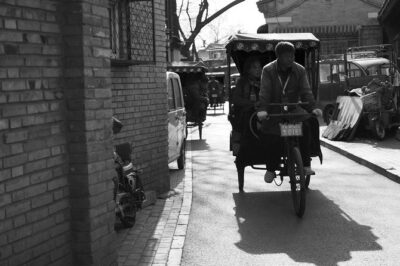
Two hours, Beijing on a sidecar. You zip between hutongs and the modern CBD in a way that feels hands-on, fast, and photo-friendly. Expect plenty of stops for viewpoints, plus historical context that helps the city shapes make sense.
I especially like the mix of classic landmarks—Bell and Drum Towers, the Forbidden City north gate area—and then the clean, modern shock of the CCTV building and the new stadium. The other thing that really works is the comfort touches: helmets, raincoat, bottled water, and even a phone charging cable for your pictures. The main drawback is simple: it’s a weather-dependent ride, so if conditions are rough they’ll reschedule.
In This Review
- Why this sidecar tour feels so practical
- Getting on board at the National Art Museum of China
- Bell and Drum Towers: the central-axis check-in
- Shichahai and Houhai lakes: views plus a drink break
- Past the Forbidden City north gate: moat and watching tower views
- Beijing Workers’ Stadium and the CCTV New Mansion
- Ming City Wall Park: where old defense still shows
- Why the sidecar format works so well for first impressions
- Price and value: what $89 buys you in 2 hours
- Day or night: how to choose the right timing
- Who should book this sidecar tour (and who shouldn’t)
- Should you book the Ancient & Modern Beijing sidecar tour?
- FAQ
- How much does the 2-hour Ancient & Modern Beijing Sidecar Tour cost?
- How long is the tour?
- Is pickup available?
- Is this tour private?
- What is included with the tour?
- Do you provide snacks and drinks?
- Where does the tour start and end?
- Are there any admission fees at the stops?
- What happens if the weather is bad?
Why this sidecar tour feels so practical
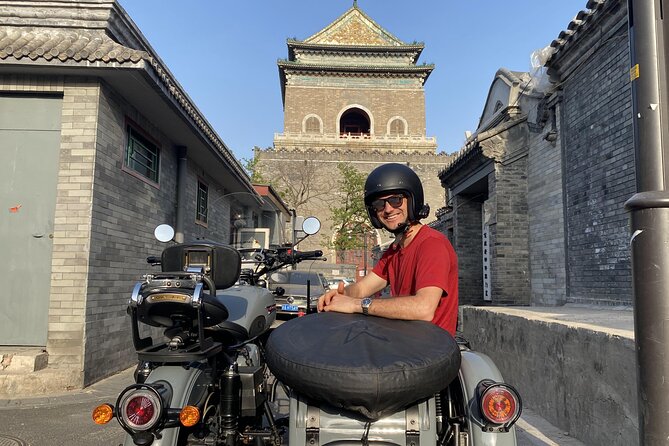
Hutongs plus CBD in one go so you get both Beijing moods without hopping around all day.
Multiple photo stops with a guide so you’re not guessing what you’re looking at.
Seasonal drinks and local snacks to keep the ride feeling like a proper experience, not a bus tour.
Sidecar seating with a swap option so you’re not stuck in the same spot the whole time.
A smooth start at the National Art Museum area with pickup offered and the tour ending back where you began.
Getting on board at the National Art Museum of China
This tour starts at the National Art Museum of China, on Wu Si Da Jie in Dongcheng, and ends back at the same meeting point. That matters more than you’d think. You don’t have to fight your way across town afterward; you finish close to where you started.
Pickup is offered, which is a big help if you’re staying in the central area and don’t want to coordinate a taxi for a short ride. The tour uses a mobile ticket, which cuts down on printed-paper chaos. It’s also a private tour in the sense that it’s only for your group, not mixed into a random crowd, so the pace stays yours.
Your guide/driver is a key part of the experience. One name that shows up is John, and the common theme around him is punctual hotel pickup and a flexible drop-off at the end. That’s gold in a city where traffic and last-minute plans can get messy.
You can also read our reviews of more evening experiences in Beijing


Bell and Drum Towers: the central-axis check-in
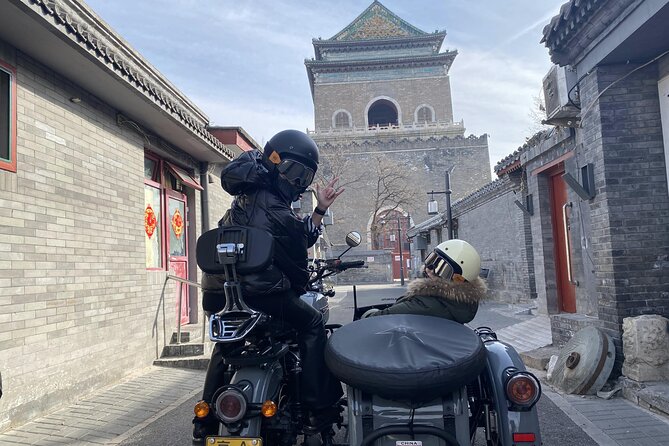
The first big stop is the Bell and Drum Towers, two landmark buildings sitting on Beijing’s central axis. You’ll also get that famous check-in moment people recognize right away—so even if you’re not a hardcore photographer, you’ll end up with a picture that looks like you meant it.
The time here is short—about five minutes—and that’s the tradeoff: this is a “see a lot” format. You’ll want to be ready with your camera quickly and decide what angle you want before you dismount and move on.
A plus: the admission is listed as free for this stop. For you, that means you’re not spending your limited 2-hour window on ticket steps. You’re spending it on street-level views and photo angles.
Practical note: this is a central-area landmark stop, so you’ll likely feel the city’s energy around you. If you prefer quiet, you may notice the noise. But that’s also the point—it’s Beijing in the middle of the action.
Shichahai and Houhai lakes: views plus a drink break
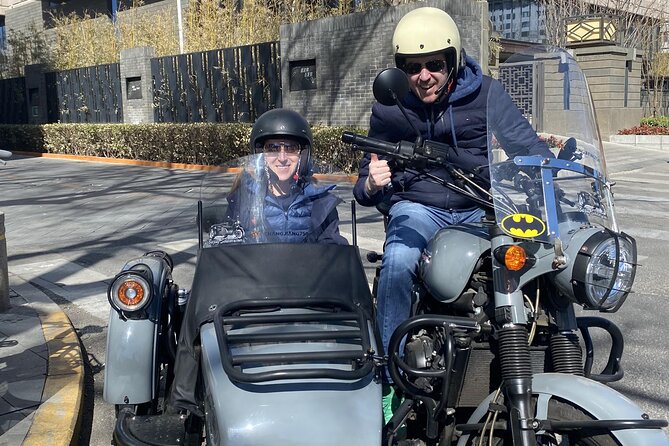
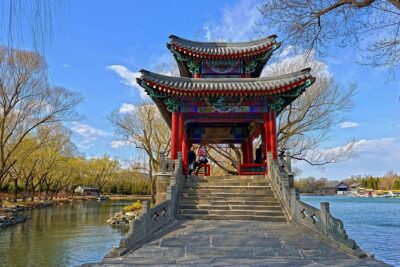
Next you ride toward Shichahai Scenic Resort and along Houhai lakes. This is where the mood changes from pure landmark viewing to something calmer—lake scenery and a slower rhythm.
You’ll have about 15 minutes here, and the tour includes drinks for this segment. That detail matters because it turns the pause into a real break, not just a quick photo stop. If you’re doing this during colder months, expect hot coffee or tea. In warmer months, it shifts to cold soda or beer.
One more practical upside: this is a scenic ride, so you don’t have to walk much. On foot, parts of this area can be crowded and stop-and-go. On a sidecar, you’re moving through it, and your guide can time stops around what’s visible right then.
The likely “consideration” is that lakeside areas can be breezy. If you’re doing the day/night option at night, even more wind can sneak in. The raincoat helps, and the helmet helps, but your comfort will depend on the weather.
Past the Forbidden City north gate: moat and watching tower views
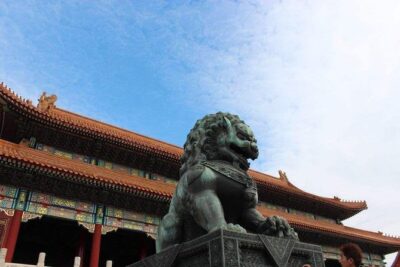
One of the most interesting segments is the ride by the north gate area of the Forbidden City, passing through the moat and the watching tower area. This is a smart way to get context without committing to a long inside visit.
You’re not touring the grounds like a full museum day. Instead, you get an outside perspective of the water boundary and the defensive layout that explains why the city was designed the way it was. That kind of “why it looks like that” context is exactly what makes photos more meaningful later.
Time here is not listed as a separate long stop, but the ride-through still gives you moments to look, shoot, and understand. It’s best if you’re comfortable grabbing a view quickly and then moving on—this tour keeps a steady flow.
If you’re the type who wants long lingering time in historic sites, you might feel the pace is quick. But for a 2-hour orientation ride, this stop gives you big historical payoff without swallowing your whole day.
Beijing Workers’ Stadium and the CCTV New Mansion
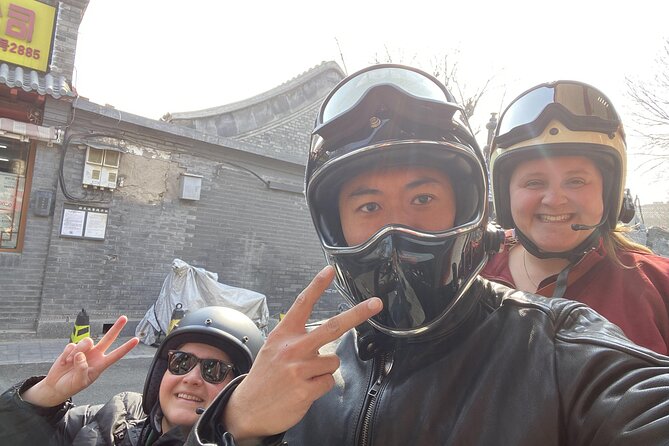
After the historic edges, you hit two modern statements of Beijing: Beijing Workers’ Stadium and then the CCTV New Mansion in the Central Business District.
At the stadium, you’ll see the Beijing Workers’ Stadium landmark and the newer-looking presence of Beijing’s football scene. The stop is about five minutes. Again, it’s not meant to be a deep dive—more like a visual marker that shows how the city has grown outward and up.
Then you switch to the CCTV New Mansion, a world-famous modern building and the tallest building in Beijing. This is the moment where Beijing stops looking “old city” and starts looking like a global metropolis. You’ll get a quick photo and visual comparison to what you saw earlier—towers and axis lines on one side, skyscraper geometry on the other.
One small practical tip: wear something comfortable for quick stops and rides. Since you’ll be looking up and changing camera angles fast, having a stable stance helps. The sidecar setup keeps you seated, but you’ll still be moving your body to get the shot.
You can also read our reviews of more tours and experiences in Beijing
Ming City Wall Park: where old defense still shows
The final named stop is the Site of Ming City Wall Park. This is the kind of place that makes the whole tour feel more than just sightseeing highlights.
The wall segment here is described as the only existing section of the original inter-city Beijing wall. That’s a powerful contrast when you’ve just been looking at the CBD and tall architecture. You can literally see how ancient infrastructure shaped the city’s structure—and how modern development has grown around it.
You’ll have about 15 minutes here, which is longer than some stops. That extra time is useful because wall segments need a bit of looking to appreciate what you’re seeing. Stand, take a moment, and then snap photos from a couple angles so you capture both the wall itself and how the modern street pattern sits alongside it.
This is also one of the best stops for anyone who likes “small proof” rather than big crowds. Even though it’s still central and active, it tends to feel more grounded than a pure landmark moment.
Why the sidecar format works so well for first impressions
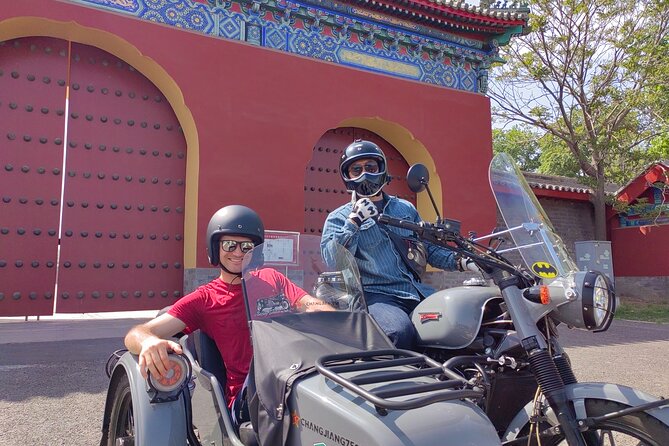
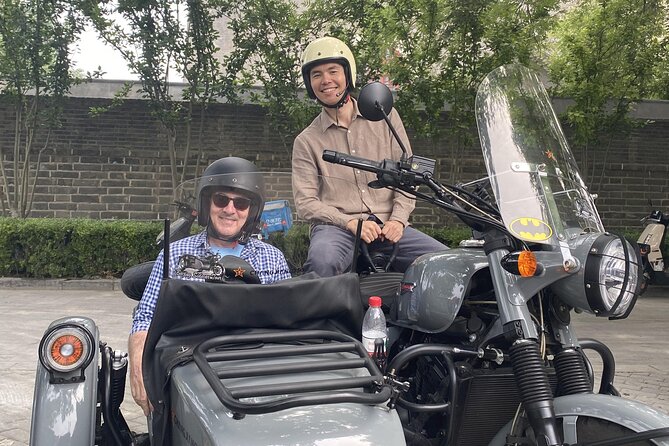
A sidecar tour isn’t just a fun ride. It’s also a practical way to cover a lot of central Beijing quickly.
Here’s what you should expect from the format:
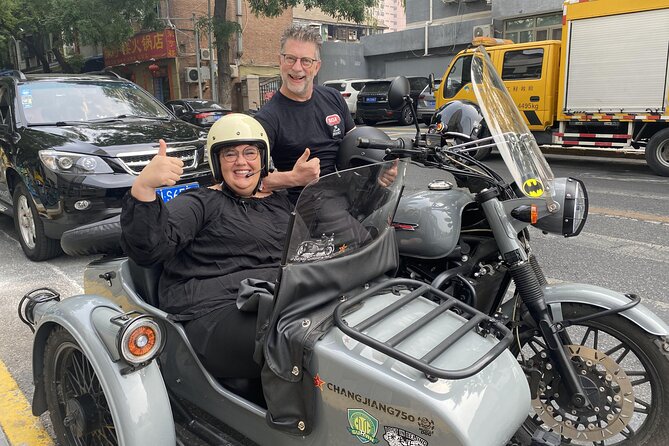
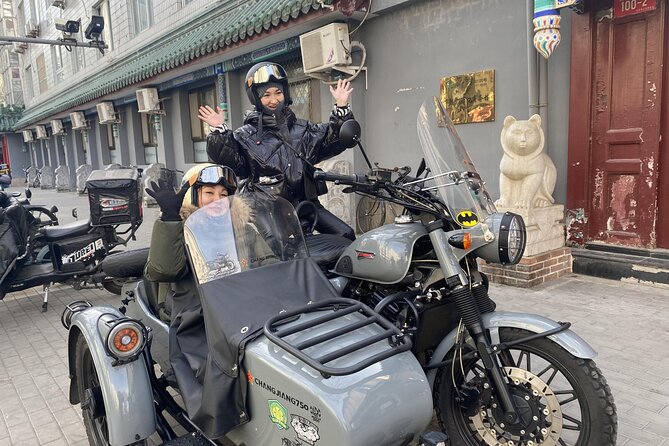
- You’ll be in a sidecar with two passengers total: one person in the sidecar and one behind the driver.
- There’s a switch half way possible, which helps if you want a different sightline and photo perspective.
- You’ll get helmets, bottled water, and a raincoat. If the weather turns, you’re not improvising your way through wet streets.
- A phone charge cable is included, which is useful if you burn your battery on navigation and camera mode.
The guide/driver also handles the tricky part: timing and route flow. In a city like Beijing, the pace of traffic and the layout of lanes can make even short distances feel longer. Sidecar movement is often faster and more direct than trying to walk between neighborhoods during a short trip.
There’s a comfort tradeoff too. You’ll be outside and exposed more than on a bus. So if you’re sensitive to wind, cold, or sudden rain, dress accordingly and use the raincoat.
Price and value: what $89 buys you in 2 hours
At $89 per person for about 2 hours, you’re paying for speed, access, and reduced decision fatigue.
What you get isn’t just “transport.” You get:
- A professional driver/guide
- Free or ticket-free marked stops on the route
- Multiple photo moments
- Snacks plus seasonal drinks
- Comfort extras like helmets, raincoat, and water
When you think of it this way, the price starts to look more like a guided experience than a simple activity. In central Beijing, getting from hutong lanes to major axis landmarks to CBD architecture typically means more than one taxi ride and a lot of time you can’t use for actual looking.
Also, this tour is listed as popular enough that many people book about 30 days in advance. If you want a specific day or day/night timing, waiting too long can reduce your options.
The value sweet spot is clear: if this is your first day in Beijing and you want a fast orientation, the tour hits that need. If you already know exactly where you want to go for a full day, you may feel the stops are brief. But for getting your bearings and collecting good context quickly, it’s strong value.
Day or night: how to choose the right timing
This experience is offered as a day/night option, and timing changes what you notice.
Daytime tends to make it easier to capture architectural details—especially towers, lake views, and the big skyline shapes around CCTV. Nighttime can add mood to the ride, especially for the modern buildings and central streets where lighting does some of the work for you.
If you’re trying to maximize photos, pick the time when lighting fits your style. If you’re mainly trying to absorb the city’s layout and feel, either works—just pay attention to weather.
Either way, the route stays focused on the same core anchors: hutong-adjacent life, the historic central axis area, lakeside scenery, then modern landmarks. So you’re choosing the vibe, not changing the main content.
Who should book this sidecar tour (and who shouldn’t)
This tour is a great match if you:
- Want a quick first-stay orientation that blends old and new Beijing
- Like photo stops but also want historical context so pictures don’t feel random
- Prefer moving around without long walks
- Appreciate comfort extras like rain protection, water, and a snack/drink break
You may want to skip or consider another option if:
- You dislike outdoor rides in wind or cold
- You need long time inside major sites (this is not built for lingering)
- You’re traveling only for one neighborhood, not for a city-wide snapshot
If you’re traveling with a group, it’s also worth noting there are group discounts. And since it’s a private tour for your group, you can often keep the experience calmer and more coordinated.
Should you book the Ancient & Modern Beijing sidecar tour?
Yes, if you want a fast, guided taste of Beijing that connects historic structure to modern identity—without burning a full day. The best reason to book is the balance of stops: you get hutong-life energy, the central-axis landmarks, a lakeside break with drinks, then a clear modern skyline contrast with the CCTV building and stadium views. It’s also built for practicality with helmets, raincoats, water, and even phone charging support.
If the weather looks questionable on the day you want to go, be ready for rescheduling. Otherwise, this is one of those “short trip, big payoff” activities—especially for your first day—because it helps you understand where things are, and it makes your later exploring way easier.
FAQ
How much does the 2-hour Ancient & Modern Beijing Sidecar Tour cost?
It costs $89.00 per person.
How long is the tour?
The duration is about 2 hours.
Is pickup available?
Yes, pickup is offered. The tour also lists a meeting point at the National Art Museum of China.
Is this tour private?
Yes. It’s private for your group, meaning only your group participates.
What is included with the tour?
Helmets, bottled water, raincoat, phone charge cable, a professional driver/guide, Beijing special snacks, and seasonal drinks are included. The sidecar accommodates two passengers, with a half-way seat switch possible.
Do you provide snacks and drinks?
Yes. It includes hot coffee or tea for winter and cold soda or beer for summer, plus Beijing special snacks.
Where does the tour start and end?
It starts at the National Art Museum of China (1 Wu Si Da Jie, Dongcheng District) and ends back at the same meeting point.
Are there any admission fees at the stops?
The listed stops include areas marked as ticket-free, such as the Bell and Drum Towers. The tour includes time at several landmarks that are shown as free for admission on the route description.
What happens if the weather is bad?
The tour requires good weather. If it’s canceled due to poor weather, you’ll be offered a different date or a full refund.