REVIEW · BEIJING
10-Day China Tour to Beijing, Xian, Chengdu and Shanghai
Book on Viator →Operated by Travel China Guide · Bookable on Viator
Big sights, tight routing. This 10-day China tour strings together Beijing, Xi’an, Chengdu, and Shanghai with Mutianyu Great Wall views, the Terracotta Warriors, giant pandas, and Shanghai’s top museums and waterways. It’s built for travelers who want big results without spending days figuring out trains, tickets, and transfers.
I really like the practical setup: airport/hotel pickup, an air-conditioned vehicle for city days, and a professional guide and driver who keep you moving. On the Beijing side, I got a warm first-day welcome from a guide named Emily, which made the whole start feel less stressful.
For value, I also like that many admissions are included (not just the “outside photo stops”), plus you get breakfast on 9 mornings and lunch on 3 days, and two bottled waters per person each day. One possible drawback: the schedule is packed, with long travel days between cities and several full sightseeing blocks, so if you want slow afternoons and lots of free roaming, this may feel too structured.
In This Review
- Key highlights worth planning around
- The value question: what your money is actually buying
- Entering Beijing the right way: Tiananmen, the Forbidden City, and the Temple of Heaven
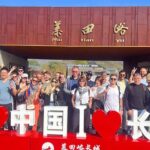
- Great Wall day at Mutianyu: cable car convenience and real photo payoff
- The Summer Palace + Beijing-to-Xi’an high-speed reset
- Xi’an’s big hitter: Terracotta Warriors museum time that does the job
- Xi’an City Wall and Mosque area: old fortifications plus Muslim Quarter food time
- Chengdu morning pandas and a gentler afternoon in Xiaojiahe
- Shanghai start: arriving by air, then easing into the riverfront
- Shanghai Museum, Yu Garden, and Zhujiajiao: culture plus a calmer old-town break
- Ending in Shanghai: airport transfer and the maglev option
- Who this tour fits best (and who should think twice)
- Should you book this 10-day Beijing–Xi’an–Chengdu–Shanghai tour?
- FAQ
- What’s included in the tour price?
- Are admission tickets included for the main attractions?
- How do you travel between Beijing, Xi’an, Chengdu, and Shanghai?
- What meals are covered?
- Where is the meeting point and what time does it start?
- What documents do I need?
- Is it refundable, and is there an age limit?
Key highlights worth planning around
- Mutianyu Great Wall with round-trip cable car: more time on the wall, less time wrestling with steep stairs.
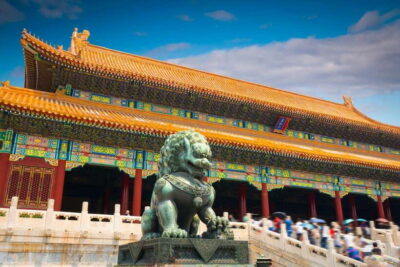
- Forbidden City + Temple of Heaven on the same Beijing core day: two major imperial sites without doubling back.
- Hutong rickshaw ride: a simple way to see old Beijing alley life without a bike license or a long walk.
- Terracotta Warriors museum time: built around the big three excavated pits and ancient weapons.
- Panda Base morning timing: pickup starts earlier because pandas are more active then.
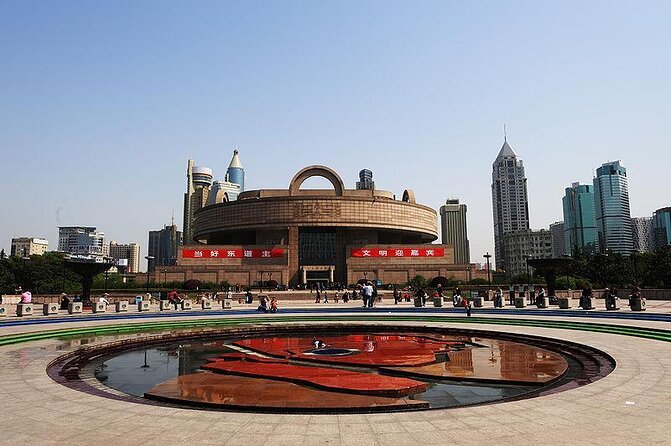
- Shanghai Museum + Yu Garden + Zhujiajiao: a clean mix of big-city culture and day-trip calm.
The value question: what your money is actually buying
At $2,979 per person for a 10-day circuit, this isn’t a budget shoe-string tour. But when you look at what’s covered, the price starts to make sense: you’re getting intercity transport, hotel nights (twin-sharing), multiple guided days, and many key admissions.
The big value drivers are the included long-haul moves:
- One-way high-speed train from Beijing to Xi’an
- One-way high-speed train from Xi’an to Chengdu
- One-way economy airfare from Chengdu to Shanghai
Add to that city driving with an air-conditioned vehicle, a professional guide, and daily basics like two bottled waters per person. In other words, you’re paying to reduce the busywork. That’s often the real “hidden cost” of independent travel in China: time spent coordinating transit, ticket types, and queues.
One more plus: this is listed as a private tour/activity, meaning it’s only your group. Private doesn’t automatically mean luxurious, but it does usually mean the route stays focused on your group’s pace rather than hopping between dozens of unrelated schedules.
You can also read our reviews of more tours and experiences in Beijing.
Entering Beijing the right way: Tiananmen, the Forbidden City, and the Temple of Heaven
Beijing is the kind of city where you can lose an entire day just getting your bearings. This itinerary avoids that trap by hitting the core imperial sites early.
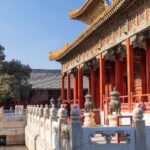
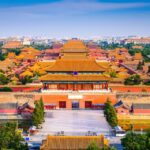
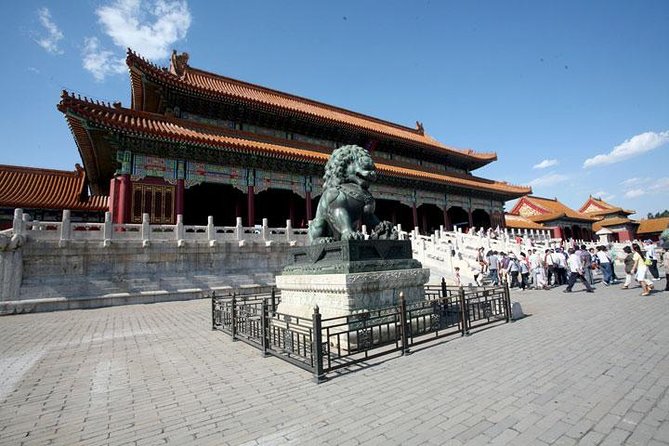
You start with Tiananmen Square, then move straight into the Forbidden City (Palace Museum). The Forbidden City part is the real “weight” day: plan for substantial walking and several hours of palace halls and pavilions, where you’ll learn how emperors handled governance and daily court life. Even if you aren’t a total history fanatic, the scale and layout do the explaining for you.
After that, you shift gears with religious and cultural contrast:
- Lama Temple (Yonghegong) brings a different architectural style, mixing Han, Manchu, Mongolian, and Tibetan elements.
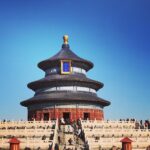
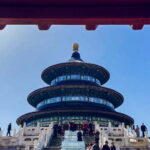
- Then Temple of Heaven focuses on imperial worship—emperors praying for good harvests—plus the distinctive architecture that’s become one of Beijing’s visual signatures.
Practical tip: since this is a full sights day with multiple sites, wear shoes you can walk in for hours. You’ll feel it more in Beijing than you expect, even when weather is mild.
Great Wall day at Mutianyu: cable car convenience and real photo payoff
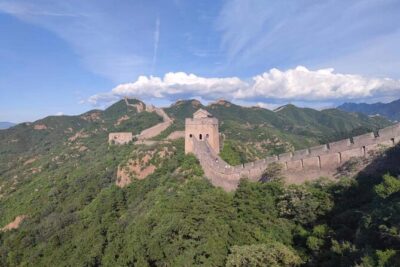
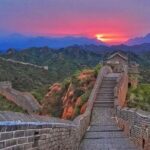
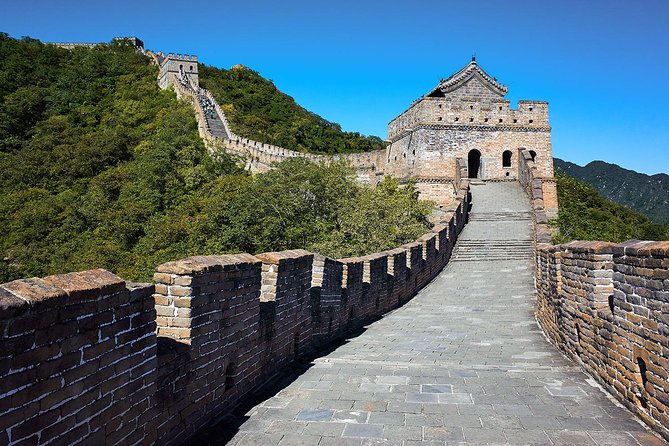
The Great Wall is the day you’ll probably remember most. Here the plan is Mutianyu, not the farthest-out option, and it includes round-trip cable car arrangements. That matters because the biggest complaint about Great Wall trips is effort—Mutianyu gives you a strong view while helping you manage the steep climb.
You get time standing on the wall and looking out over the stretches of fortifications. You’ll also likely take plenty of photos from a few different angles—Mutianyu works well for that since the wall segments and watchtower rhythm create natural framing.
In the afternoon, you pivot back into city culture and modern iconography:
- You stop at the Bird’s Nest National Stadium mainly for distant photos (the stadium admission is marked as not included).
- Then you do the Hutong Tour with a rickshaw ride through old alley lanes lined with courtyard-style homes.
I like pairing the Great Wall with the hutongs. It gives you contrast: monumental defense versus intimate daily life in narrow lanes.
The Summer Palace + Beijing-to-Xi’an high-speed reset
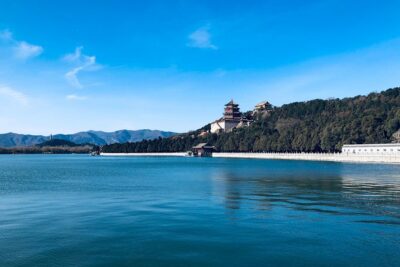
On the next major Beijing day, you visit the Summer Palace (Yiheyuan). This is the largest existing imperial garden on the itinerary, and the time blocks are set up for you to actually enjoy the grounds and major constructions rather than rushing past them.
Then comes the change of scenery: you take a high-speed train to Xi’an (about 4.5 hours). A practical benefit here is mental reset. Instead of spending your travel day stuck in traffic or hunting taxis, you trade it for a predictable rail schedule.
Keep in mind: the train time recommendation suggests bringing snacks and something to watch or read. That’s a good call because it turns a travel block into an easier segment of the day, not a stressful one.
Xi’an’s big hitter: Terracotta Warriors museum time that does the job
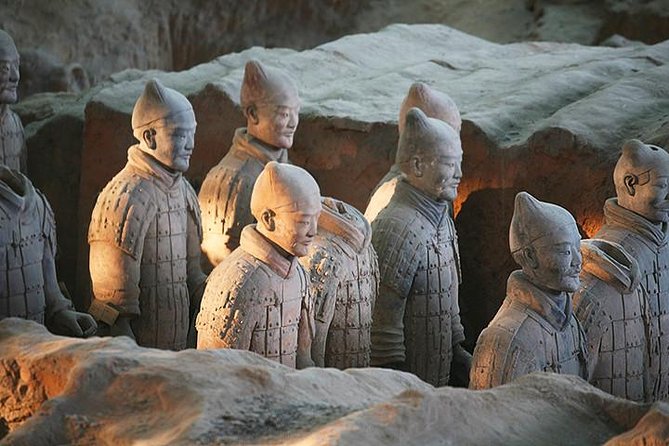
Xi’an is where the tour leans hardest into China’s “must-see” artifacts: the Museum of the Qin Terra-cotta Warriors and Horses.
The way the stop is structured is useful. You’re not just looking at a single pit. The museum visits are described around three excavated pits, with warrior figures and ancient weapons. That multi-pit approach helps you understand the scale and organization of the site rather than treating it like one photo moment.
Afterward, the itinerary shifts from archaeology into a living-city vibe:
- Big Wild Goose Pagoda (Dayanta) gives you the classic pagoda silhouette and a major Xi’an landmark.
- Then you visit Grand Tang Dynasty Ever Bright City, a popular tourist street area where people dress in traditional Chinese clothing, making it easier to soak up a Tang-dynasty-themed atmosphere without committing to a long show.
A fair note: this last stop is “experience-forward,” so if you prefer quieter, strictly historical sites, you may want to spend your time there selectively and not feel obligated to explore every corner.
Xi’an City Wall and Mosque area: old fortifications plus Muslim Quarter food time
Xi’an’s second full day adds variety: defensive architecture, a major mosque, and then free time to wander.
You start with the Xi’an City Wall Park and then the City Wall itself. The wall is described as the most complete existing urban fortification in China (as stated in the tour description). Even if you don’t plan to do anything extreme, the wall area gives you a good sense of how a city can be protected and mapped in layers.
Then you visit the Xi’an Mosque, described as one of the oldest, largest, and best-preserved Islamic mosques in China. It’s a nice cultural pivot after the emperor-focused sites earlier in the trip.
From there, the Muslim Quarter is your time to explore around the area for souvenirs and snack choices. The itinerary is explicit that you can enjoy halal foods and snacks by yourselves, which is great because it gives you control over what you eat and how long you stay.
Practical tip: set expectations that this zone is a shopping-and-snacking style neighborhood. It’s not a museum day. If you want that type of street energy, it’s a strong fit.
Chengdu morning pandas and a gentler afternoon in Xiaojiahe
Then the tour moves to Chengdu, and the pacing softens a bit.
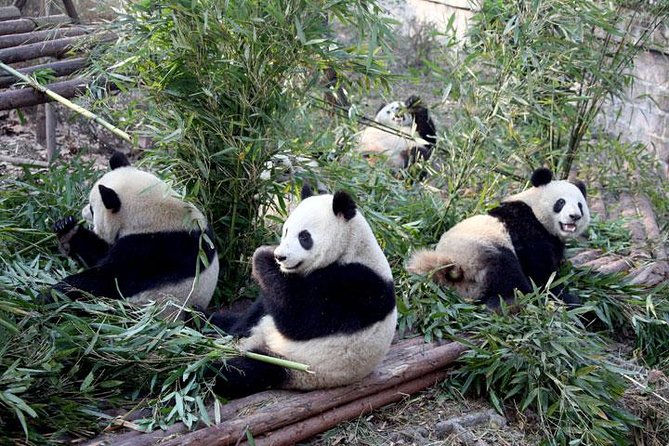
In the morning, you head to the Giant Panda Breeding Research Base. Pickup is earlier because pandas are more active in the morning. That’s one of the smartest planning points in the whole trip. You’re not just showing up at the zoo hours; you’re timing for animal behavior.
After panda time, you visit Xiaojiahe Residential District, where you spend a more local-style afternoon. You’ll have lunch at your own cost and eat like locals at a named restaurant (Yongle Rest is mentioned). This isn’t framed as a landmark parade. It’s about daily neighborhood life, which I appreciate because it balances the heavy “top sights” days earlier.
If you’re sensitive to crowds, panda days can still feel busy, but the structure here is designed to get you there when the animals are more likely to be active.
Shanghai start: arriving by air, then easing into the riverfront
Shanghai hits fast because it’s a different kind of city. After you fly from Chengdu to Shanghai, you check in and then start with the Bund on the west bank of the Huangpu River.
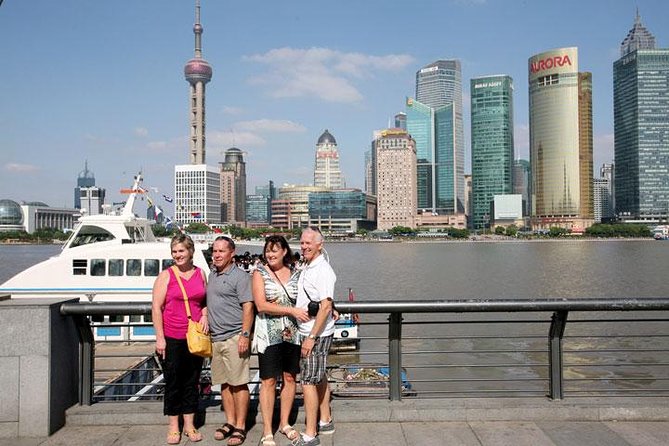
The Bund stop is about seeing the historic western-style buildings that remain from the early 20th century era. Then you do a one-hour Huangpu River cruise, which is where you get the contrast: older architecture on one side and the modern skyline on the other.
I like this order. It helps you understand Shanghai quickly. The cruise gives you a city “overview” without needing to climb anything or plan multiple separate transport legs.
Shanghai Museum, Yu Garden, and Zhujiajiao: culture plus a calmer old-town break
Shanghai day time is built around three different flavors.
First is the Shanghai Museum, described as one of the four largest museums in China and focused on art works from ancient times. This is the kind of museum stop that’s worth it even if you don’t usually love museums, because it’s curated toward broad historical art rather than tiny niche collections.
Next you visit Yu Garden (Yuyuan). The description highlights the Nine Zigzag Bridge built of granite and grass-white jade, plus the quaint mid-lake pavilion. Yu Garden is a very walkable stop where the scenery and design are the main event.
Then comes Zhujiajiao Ancient Town, described as an Oriental Venice because folk residences were built along rivers. The tour is also honest that it’s not “modern and stylish as Shanghai,” but it preserves more traces of the past. That’s exactly the point of this segment: you get one day where the pace and scenery feel less like a skyscraper competition.
Practical tip: this is your longer day with multiple sites, so keep snacks and water in mind. The itinerary includes bottled water per day, but you’ll still want a small personal buffer for personal cravings during transfers.
Ending in Shanghai: airport transfer and the maglev option
Your final day stays simple: you get picked up at your hotel and transferred to the airport based on your international flight schedule. If you prefer the maglev train ride to Pudong Airport, the tour notes that you can choose that option.
That flexibility is helpful because the maglev is a straightforward way to add a bit of Shanghai flavor to your departure day without eating into the rest of your schedule.
Who this tour fits best (and who should think twice)
This tour is a strong fit if you:
- Want the big-name sights packed into a well-managed circuit
- Prefer having a guide and driver handling logistics between cities
- Like a mix of imperial landmarks, world-famous artifacts, wildlife, and major-city culture
- Don’t want to spend your vacation studying rail timetables and ticketing rules
It may not be ideal if you:
- Get stressed by long days and back-to-back sightseeing blocks
- Want lots of unstructured downtime
- Need a trip that’s easy on mobility. The tour is also explicitly noted as not suitable for people over 80.
Also remember: the schedule includes several intercity transfers (high-speed trains and a flight). That’s normal for a four-city “greatest hits” trip, but it does cut into slow travel time.
Should you book this 10-day Beijing–Xi’an–Chengdu–Shanghai tour?
If you want a guided, mostly ticketed route that covers the top China highlights across four cities, I think this is a solid value choice. The included trains and the Chengdu-to-Shanghai flight alone save you a lot of planning work, and the itinerary leans into major sites rather than placeholder stops.
I’d book it if you like structure, want to see the Great Wall at Mutianyu, the Terracotta Warriors, pandas at the research base, and then finish with Shanghai museum + river + old-town time. I’d pause if you’d rather take fewer cities and spend more time at each stop without a “next transfer” feeling.
FAQ
What’s included in the tour price?
The package includes hotel accommodation based on twin-sharing rooms, one-way high-speed trains (Beijing to Xi’an and Xi’an to Chengdu), an economy-class flight (Chengdu to Shanghai), a professional guide and experienced driver, an air-conditioned vehicle, two bottled waters per person per day, and breakfast (9) plus lunch (3). Some admission tickets are also included for the listed sights.
Are admission tickets included for the main attractions?
Most major stops list admission tickets as included, including Tiananmen Square (free), the Forbidden City, Lama Temple, Temple of Heaven, Mutianyu Great Wall, Summer Palace, the Terracotta Warriors museum, Big Wild Goose Pagoda, Grand Tang Ever Bright City, Xi’an City Wall, Xi’an Mosque, Giant Panda Breeding Research Base, Huangpu River cruise, Shanghai Museum, Yu Garden, and Zhujiajiao Ancient Town. The Bird’s Nest photo stop is marked as admission ticket not included.
How do you travel between Beijing, Xi’an, Chengdu, and Shanghai?
You take one-way high-speed trains from Beijing to Xi’an and from Xi’an to Chengdu. Then you fly from Chengdu to Shanghai in economy class. Inside each city, you use an air-conditioned vehicle with your guide and driver.
What meals are covered?
Breakfast is included for 9 mornings, and lunch is included for 3 days. The itinerary also includes two bottled waters per person per day.
Where is the meeting point and what time does it start?
The meeting point is Capital Airport Shunyi, Beijing 101300 China, with a start time of 9:00 am.
What documents do I need?
You’ll need a current valid passport on the day of travel. For booking, the passport name, number, expiry date, and country are required for all participants.
Is it refundable, and is there an age limit?
The experience is non-refundable and cannot be changed for any reason. It also notes that it’s not suitable for people over 80 years old.