REVIEW · CHENGDU
1-Day Mount Qingcheng and Dujiangyan Irrigation System Tour
Book on GetYourGuide →Operated by Andy's private china tours · Bookable on GetYourGuide
Two UNESCO stops in one long scenic day. Mount Qingcheng—famous for Taoist roots and even Kung Fu Panda vibes—makes the day feel like a movie set with real trails. Then Dujiangyan delivers the kind of engineering story you can still see working.
I like that this tour mixes famous scenery with clear context. You get the front-and-back layout of Qingcheng, plus a focused look at how Li Bing’s irrigation system helped tame floods long ago. One catch: it’s a long 8–9 hours, and if you’re there around big holiday crowds, the gondola wait up Qingcheng can be painful.
In This Review
- Key highlights worth your attention
- A one-day taste of Taoism and working engineering
- Morning pickup and the drive to Mount Qingcheng
- Front Mountain: palaces and caves with clear Taoist landmarks
- Back Mountain: bigger area, more scenic payoff
- The Kung Fu Panda connection you can actually use
- Dujiangyan: the irrigation system that still works
- Guide quality: why names like Weaver, Mark, and Diana matter
- Self-guided option: workable, but not for every style
- Price and what you actually get for $112
- Timing, crowds, and the gondola reality on Qingcheng
- What to wear and pack for a mountain-plus-heritage day
- Who this tour is best for
- Should you book Mount Qingcheng and Dujiangyan in one day?
- FAQ
- How long is the tour?
- What time does the tour start?
- Is lunch included?
- What’s included in the price?
- What are my options for guidance?
- Do I need a private car?
- Is pickup optional?
- Are there any group-size limits?
- Can I enter monuments on a shorter option?
Key highlights worth your attention
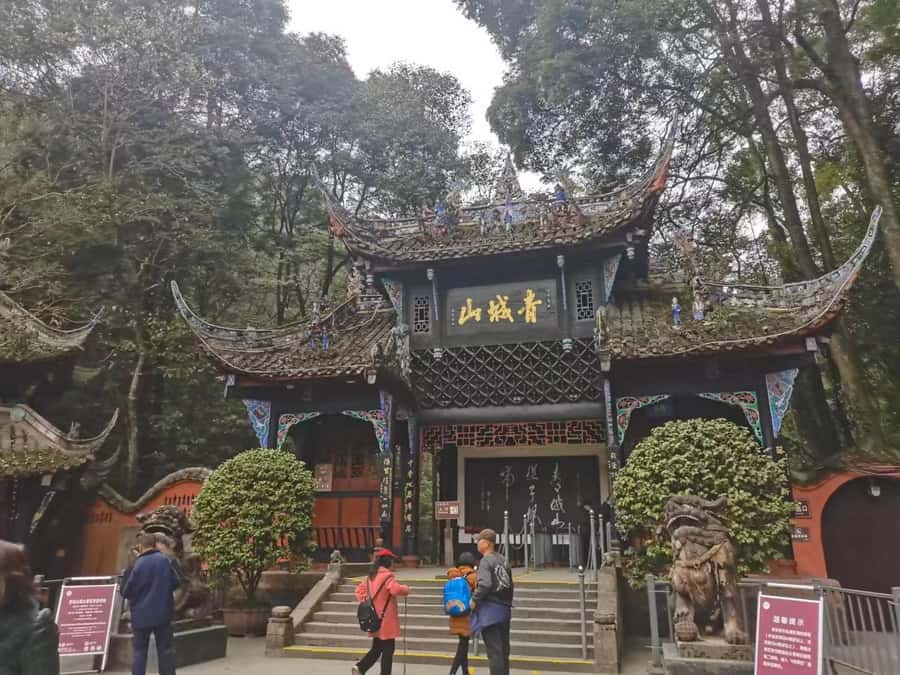
- Taoist sights at Mount Qingcheng: Front Mountain palaces and caves, plus Back Mountain scenic stops
- Dujiangyan irrigation you can still feel: A 2,200-year flood-control and water system
- Two UNESCO World Heritage sites in one day: Tight timing, but a satisfying payoff
- Guide choices that match your comfort level: Private English-speaking guide, or self-guided with translation support
- Timing matters for crowds: Gondola lines can get long during holiday periods
A one-day taste of Taoism and working engineering
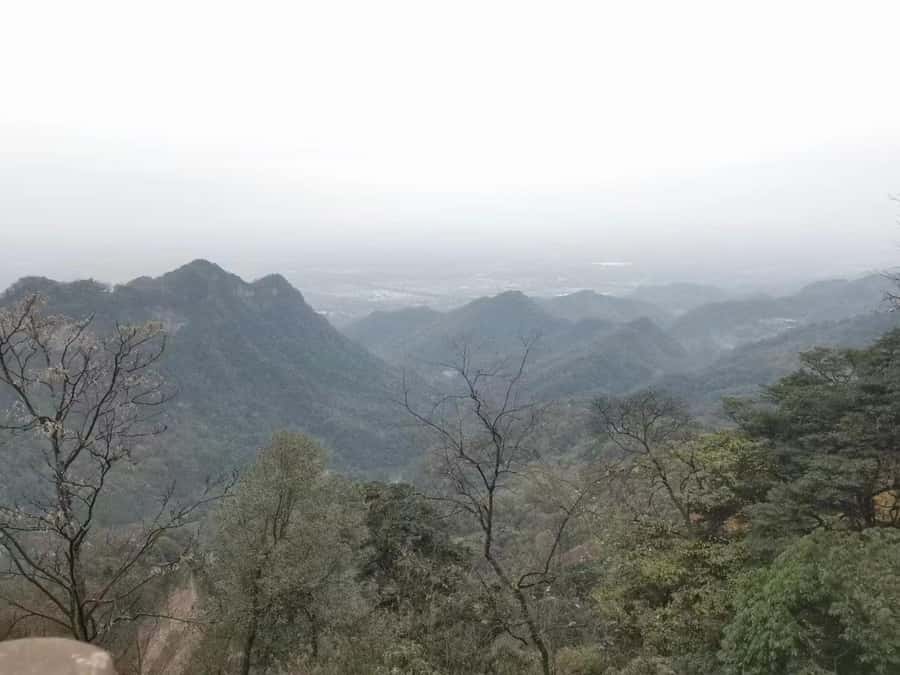
This is the kind of day trip that makes Chengdu feel bigger than just noodles and day markets. You start with Mount Qingcheng, one of China’s most famous Taoist mountains, and you finish at Dujiangyan, a living irrigation system that still serves Sichuan. It’s a practical route, but it also hits two very different kinds of “wow.”
I like that you’re not asked to choose between scenery and substance. Qingcheng gives you the walkable, atmospheric side of Taoism—palaces, caves, and viewpoints. Dujiangyan gives you the human story: floods, planning, and a system that kept getting used instead of fading away.
One more thing: the tour is structured so you can see a lot without constantly figuring out buses, tickets, or timing. That matters on a day this long.
Morning pickup and the drive to Mount Qingcheng
Your day starts with hotel pickup around 9:00am from downtown Chengdu. Then it’s about 80 minutes and roughly 65 km to reach Mount Qingcheng.
If you’re sensitive to schedule changes, build in patience. Mountain trips usually move slower than city sightseeing, and you want your energy for the actual walking and viewpoints—not for stress.
Also, think about seasons. Qingcheng can be very cold in winter, while summer is cool enough that people treat it as a seasonal escape. Either way, dress like you might need layers you can remove when you’re moving.
Front Mountain: palaces and caves with clear Taoist landmarks
Mount Qingcheng is split into two areas: Front Mountain and Back Mountain. Front Mountain is the main section at about 15 square kilometers, and it’s where you’ll find many of the cultural relics and historic sites.
On the Front Mountain side, you’ll focus on landmarks such as:
- Natural Drawing
- Jianfu Palace
- Tianshi Cave
- Chaoyang Cave
- Shangqing Palace
This is the part of the mountain that feels most connected to the religious and cultural story. Caves and temples can turn into “just stops” if you don’t understand what you’re looking at. A good guide helps you spot the pattern—how these sites connect to Taoist tradition and why the area became famous in the first place.
If you’re choosing between guided vs. self-guided, this is one reason to lean guided. Qingcheng’s key points are named, but the meaning is what makes them feel real.
Back Mountain: bigger area, more scenic payoff
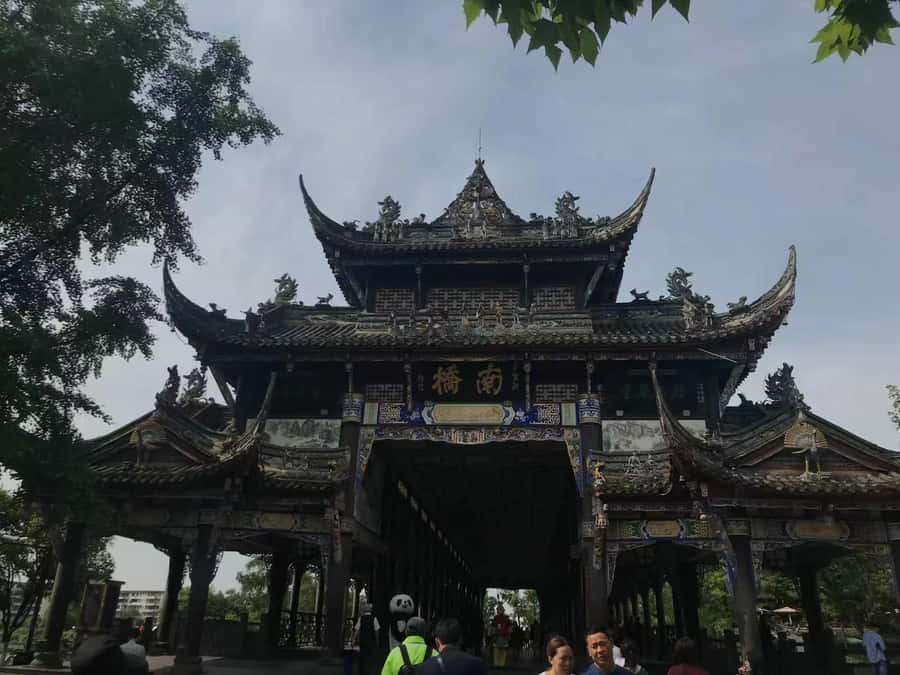
Back Mountain covers a much larger area—about 100 square kilometers—and that scale is part of why it feels different. You get clear streams, woodsy views, and big peaks (and yes, it’s also a strong summer escape).
Your Back Mountain stops can include:
- Golden Cliff and Sky Storehouse
- Goddess Cave
- Clouds Caves
- View of Platform Bridge
Back Mountain tends to feel like the “breathing room” side of the day. Front Mountain gives you cultural anchors; Back Mountain gives you space to slow down and look around. If you like photographs, this is where you’ll keep wanting to stop—without even forcing it.
The tradeoff is simple: more area can mean more walking time. If you have mobility limits, don’t assume every stop will match your pace. Ask your guide what’s most important for your priorities, then adjust your pace accordingly.
The Kung Fu Panda connection you can actually use
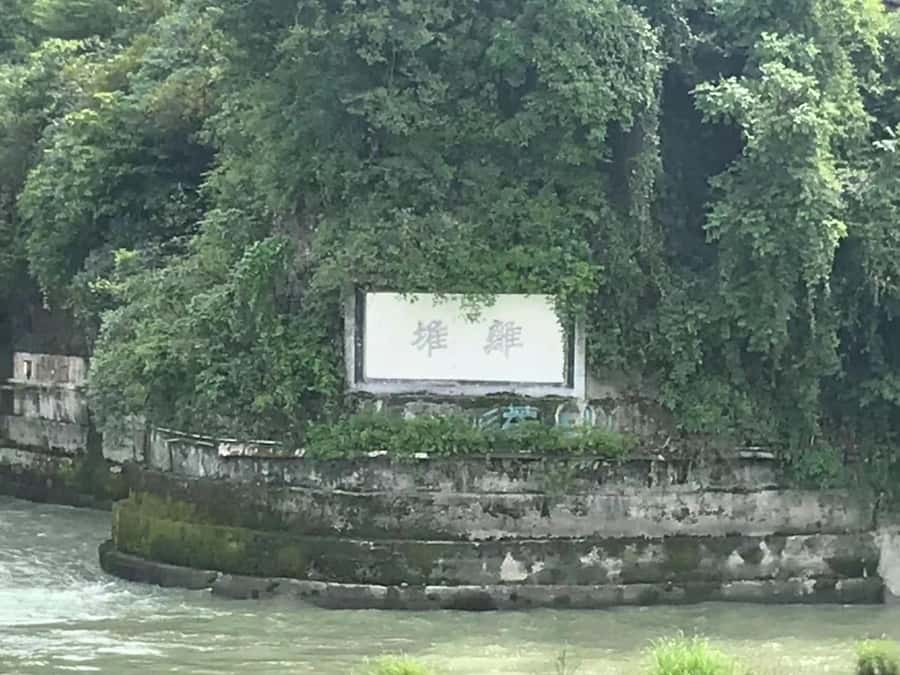
The tour’s highlights mention that Mount Qingcheng served as scenic inspiration for the Kung Fu Panda movies. Even if you’re not obsessed with the franchise, that connection can help you “see” what filmmakers saw: dramatic rock shapes, temple silhouettes, and that mountain-cave-temple rhythm.
Use it like a mental tool. When you see a cave or cliff-side viewpoint, ask yourself what kind of setting it would create on screen. It turns the day from sightseeing into interpretation, which makes you remember more when you leave.
Dujiangyan: the irrigation system that still works
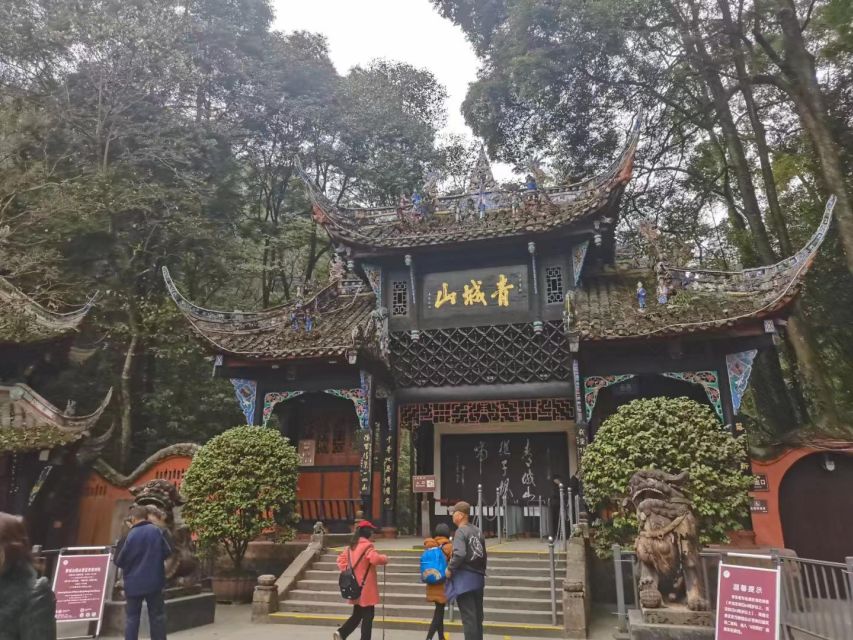
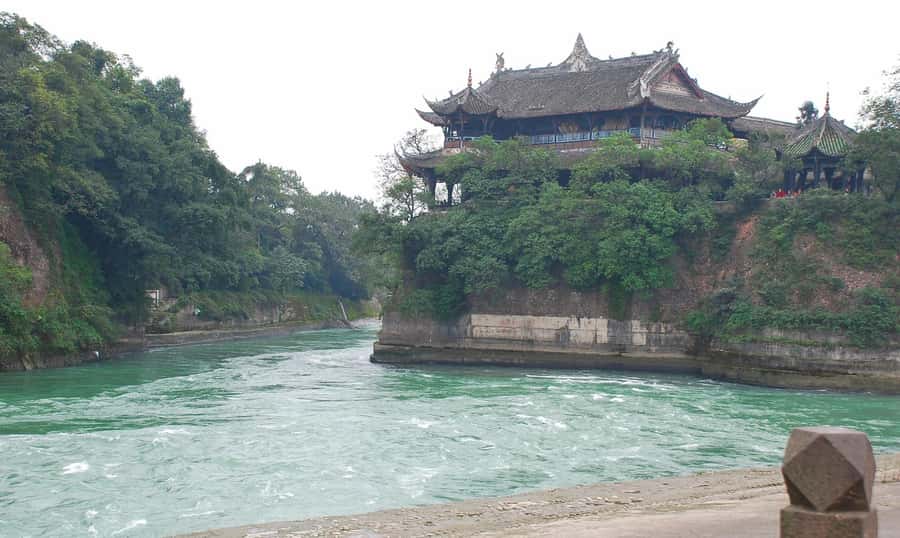
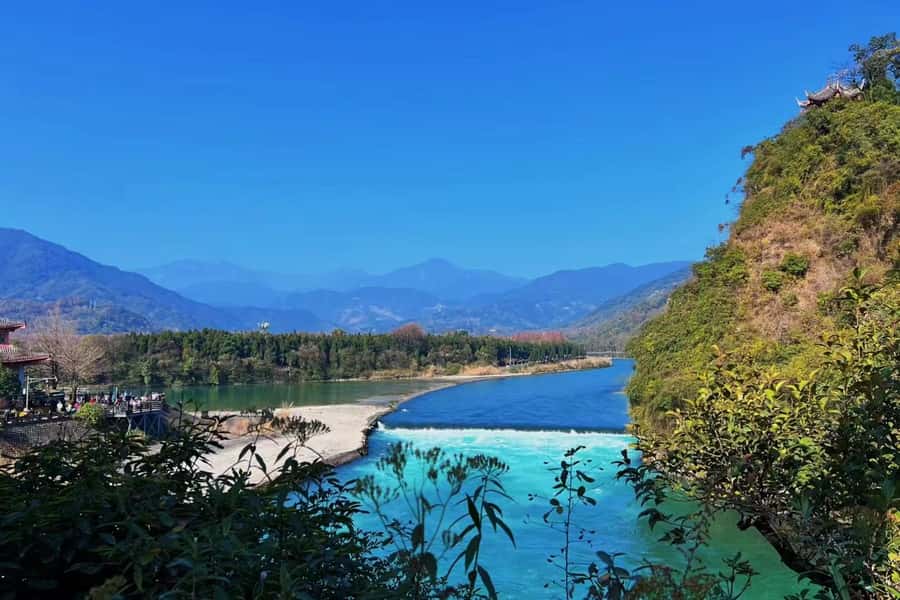
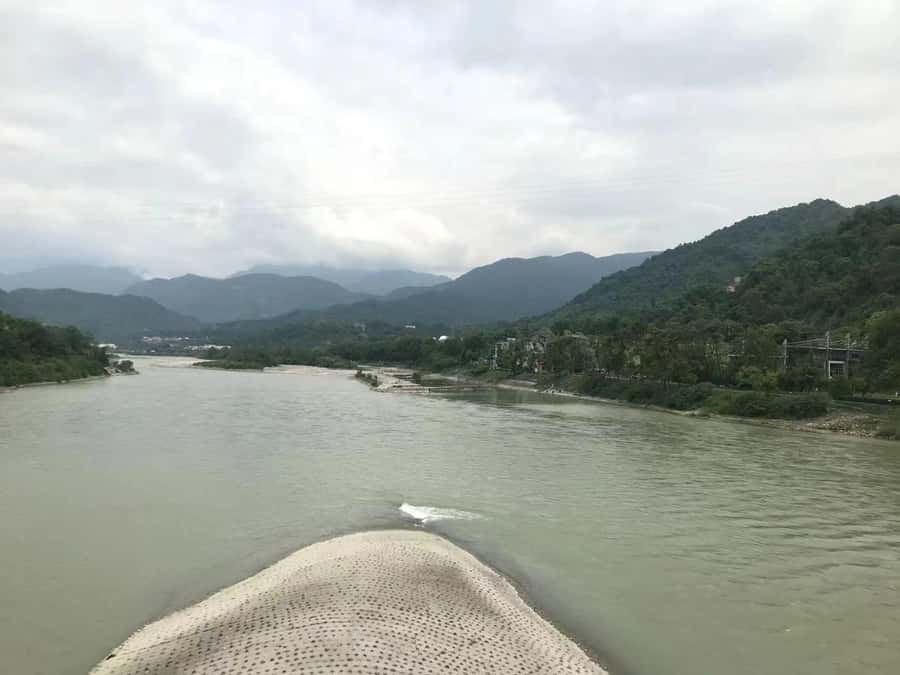
After Qingcheng, you transfer about 30 minutes to Dujiangyan Ancient Irrigation System. This is where the day shifts gears—from mountain mood to civil engineering in action.
The story starts around 2,200 years ago. Chengdu faced repeated flooding from the Minjiang River. Local officials of the Shu state, including Li Bing and his son, studied the river and worked with local people to build the Dujiangyan project to prevent flooding.
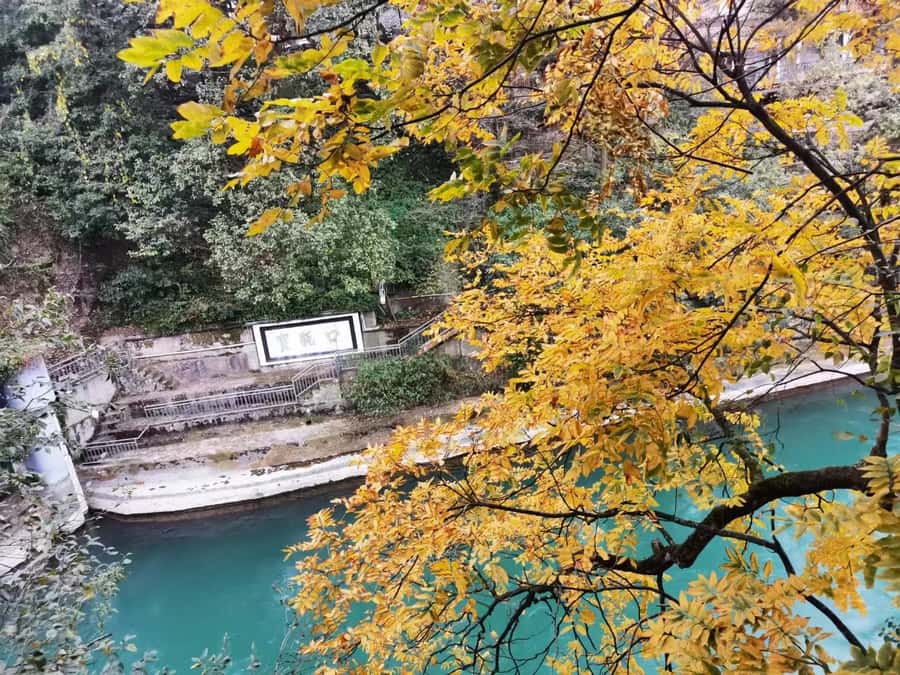
What makes this stop more than a history lesson is that the project still plays a crucial role today. It helps drain floodwater, irrigate farms, and support water resources for more than 50 cities in Sichuan province.
So when you look at structures here, try to visualize function, not just form. You’re seeing a system meant to manage chaos—water moving fast, water needing direction, water returning value.
Guide quality: why names like Weaver, Mark, and Diana matter
A tour like this lives or dies by the guide. You’re moving between named sites, and the details matter: what you’re looking at, why it matters, and how the pieces connect.
In the guide options you might encounter, names like Weaver, Mark, and Diana show up with consistent praise for being organized and able to connect the mountain and irrigation story to broader everyday context. One key theme: they don’t just recite facts. They keep things moving while still answering questions.
That matters most when crowds hit. One guide can turn a long waiting period into something tolerable by keeping you oriented on what comes next. If you’re traveling around Labor Day holidays (May 1–5), be ready for longer lines up Qingcheng—especially for the gondola. A skilled guide helps you plan your patience.
Self-guided option: workable, but not for every style
If you choose the self-guided structure, you’ll still have a driver, but the driver speaks Chinese only. You’re supported by a translation app and an English-speaking support team, so it’s not a true solo trip.
This can work if:
- you’re comfortable using your phone for translation
- you don’t need deep explanations for every temple or cave
- you’re okay with a slower, “follow the route” style day
But if you want the connections—the Taoist context, the why-behind-the-scenes explanations, the links between Qingcheng and Dujiangyan—private guidance usually makes the day feel smoother and more satisfying.
Also remember: this is a one-day route. If you get confused halfway through, there’s less time to recover calmly.
Price and what you actually get for $112
At $112 per person, the value is mostly in the structure. You’re paying for:
- hotel pickup and drop-off
- a private, air-conditioned car
- entrance tickets
- and, if you selected it, a private English-speaking tour guide
Lunch is not included, so budget extra for that. You’ll want to eat without losing too much time, which can be tricky on a mountain schedule.
Here’s how I think about the price: if you were to build this yourself—tickets, getting to Qingcheng, managing timing, and figuring out the best order—you’d spend time and coordination energy. This tour trades that hassle for a fixed, guided flow. In a place where timing matters and lines can pop up, that trade often feels fair.
Timing, crowds, and the gondola reality on Qingcheng
Catching Qingcheng when crowds are low makes everything easier. Even with a guide, holiday periods can create bottlenecks. There’s specific mention of painfully long gondola lines during the Labor Day holiday week (May 1–5).
So what should you do with this information?
- Go in with patience if your dates overlap holidays.
- Dress to handle waiting outdoors (wind and cold can sneak up fast in winter).
- If your tour includes the gondola segment, treat that time as part of the experience rather than an interruption.
This isn’t a reason not to go. It’s just a reason to plan your expectations. A day trip that compresses two major UNESCO sites will always trade some flexibility for efficiency.
What to wear and pack for a mountain-plus-heritage day
You’re combining a mountain hike feel with heritage site walking. That means comfort beats style.
Bring:
- layers (Qingcheng can swing cold/warm depending on season)
- comfortable shoes for stone paths and uneven ground
- a small day bag for water and anything you’ll want while you wait
Also, don’t forget a simple travel habit: keep your schedule mental. Once you’re at Qingcheng, it’s easy to lose track of time when you’re surrounded by caves, halls, and viewpoints. A clear mental order helps you enjoy each stop instead of racing through them.
Who this tour is best for
I’d put this tour on your shortlist if you want:
- two UNESCO sites in one day without the planning grind
- a mix of Taoist cultural stops and a major irrigation engineering story
- a driver-and-guide setup that reduces decision fatigue
It also suits first-timers in Chengdu who want something beyond city cooking and street walking.
If you hate long days, this might be too tight. At 8–9 hours, you’ll likely be ready to relax afterward. If you prefer slow pacing, consider fewer stops instead.
Should you book Mount Qingcheng and Dujiangyan in one day?
Book it if you like your sightseeing with structure and meaning. The combination of Taoist Mount Qingcheng plus Dujiangyan’s still-functional irrigation system is a smart use of a limited day. The day has enough cultural stops to satisfy history-minded curiosity, but also enough real-world relevance to keep it practical.
Skip or adjust plans if you’re traveling during peak holiday crowds and you strongly dislike lines. The gondola wait can be long, and the day’s length means you won’t have much time to escape a bottleneck.
If you’re on the fence, I’d choose guided. On a day with named caves, palaces, and a detailed irrigation story, having someone connect the dots usually makes the whole route feel worth it.
FAQ
How long is the tour?
It runs about 8 to 9 hours.
What time does the tour start?
Pickup is at 9:00am from your Chengdu hotel (for the downtown Chengdu pickup option).
Is lunch included?
No. Lunch is not included.
What’s included in the price?
Hotel pickup and drop-off, a private A/C car, entrance tickets, and a private English-speaking guide if you choose the private-guided option.
What are my options for guidance?
You can choose a guided tour (private English-speaking tour guide) or a self-guided option. The self-guided option includes a driver who speaks Chinese, plus a translation app and an English-speaking support team.
Do I need a private car?
The tour includes a private car with A/C as part of the experience.
Is pickup optional?
Yes. Pickup is optional, and the listed pickup is from downtown Chengdu hotels.
Are there any group-size limits?
The minimum is 2 people required. Private or small groups are available.
Can I enter monuments on a shorter option?
The info says half day tours cannot enter the monuments due to time constraints.